Greece in June: What to Expect
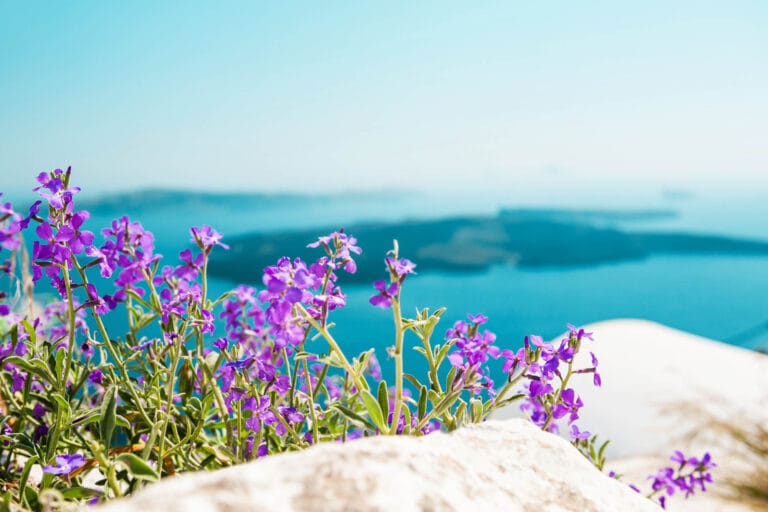
Greece in June is the beginning of everything people picture when they imagine a Greek summer — warm seas, long days, tavernas lit up in the evenings, and that particular blue of the Aegean sky you only get in early summer. It’s also the month when Greece transitions from manageable to busy, and how you plan makes all the difference.
June sits at a sweet spot that more experienced travelers have quietly claimed for themselves: the sea is warm enough to swim, the weather is reliably sunny, and the worst of the peak-season crowds haven’t fully arrived yet. Prices are rising but haven’t hit their July–August ceiling.
This guide covers exactly what to expect from Greece in June — region by region weather, the best destinations, what’s changed from spring, honest prices, and the practical details that help you get the most out of an early summer trip.
June Weather in Greece: Region by Region
June is reliably sunny across most of Greece. The rainy season is firmly over, and the dry Mediterranean summer is in full swing. Here’s what the numbers actually look like:
| Region | Avg High | Avg Low | Rain Days | Sea Temp |
| Athens | 28–30°C (82–86°F) | 18–20°C | 2–3 days | 23°C |
| Santorini / Cyclades | 26–28°C | 19–21°C | 1–2 days | 23°C |
| Crete | 27–29°C | 19–21°C | 2–3 days | 24°C |
| Rhodes | 28–30°C | 20–22°C | 1–2 days | 24°C |
| Corfu / Ionian Islands | 27–30°C | 18–20°C | 3–4 days | 23°C |
| Thessaloniki | 27–29°C | 17–19°C | 3–4 days | — |
What the numbers mean in practice
June days are long — sunrise around 6am, sunset after 8:30pm. You get 14–15 hours of usable daylight, which means more time for sightseeing, beach days, and evening meals that start at 9pm like the Greeks do.
The heat is warm but not punishing. Unlike July and August where midday in Athens or Santorini can hit 35–38°C, June stays mostly in the high 20s. You can still walk ancient sites in the afternoon without it being a miserable experience — just bring water and a hat.
The sea in June is genuinely swimmable everywhere in Greece. Water temperatures of 23–24°C are comfortable for most people. This is a significant upgrade from April and May, and one of the main reasons June is so popular.
The Meltemi Wind
The meltemi — a strong, dry northerly wind — begins to make its presence felt in June, particularly in the Cyclades. It’s most noticeable in the Aegean (Santorini, Mykonos, Paros, Naxos) and can cause ferry disruptions on gusty days. The wind also acts as a natural air conditioner, keeping the islands cooler than the mainland. In July and August it intensifies; June is usually moderate.
Which Destinations Are Best for Greece in June
Almost everywhere in Greece is worth visiting in June — the question is more about what kind of trip you want and how much company you’re willing to share your destinations with.
Athens — Hot but Manageable
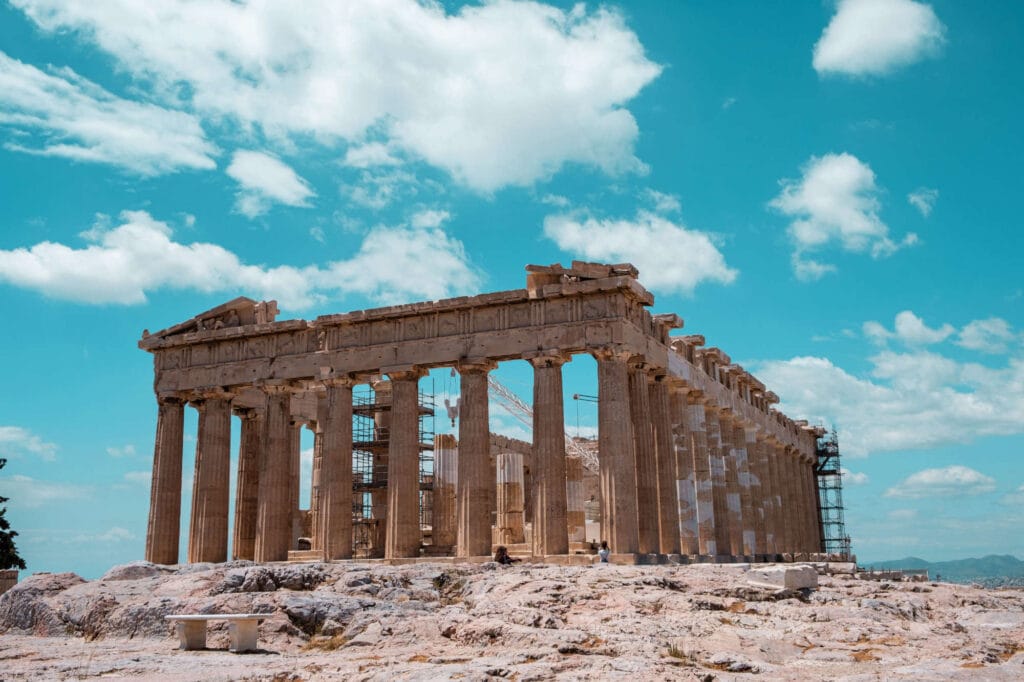
Athens in June is warm and lively. The city’s outdoor restaurants, rooftop bars, and neighborhood squares are in full swing. The Acropolis and archaeological sites are busy but not yet at the crush-level crowds of August. Go early (opening time, 8am) or late afternoon (after 5pm) to avoid both the heat and the tour groups.
June is also Athens’ festival season — the Athens Epidaurus Festival runs from late June through August, with ancient drama performances at the Odeon of Herodes Atticus and the ancient theater at Epidaurus. Worth checking the schedule.
Santorini — Beautiful, Starting to Get Busy
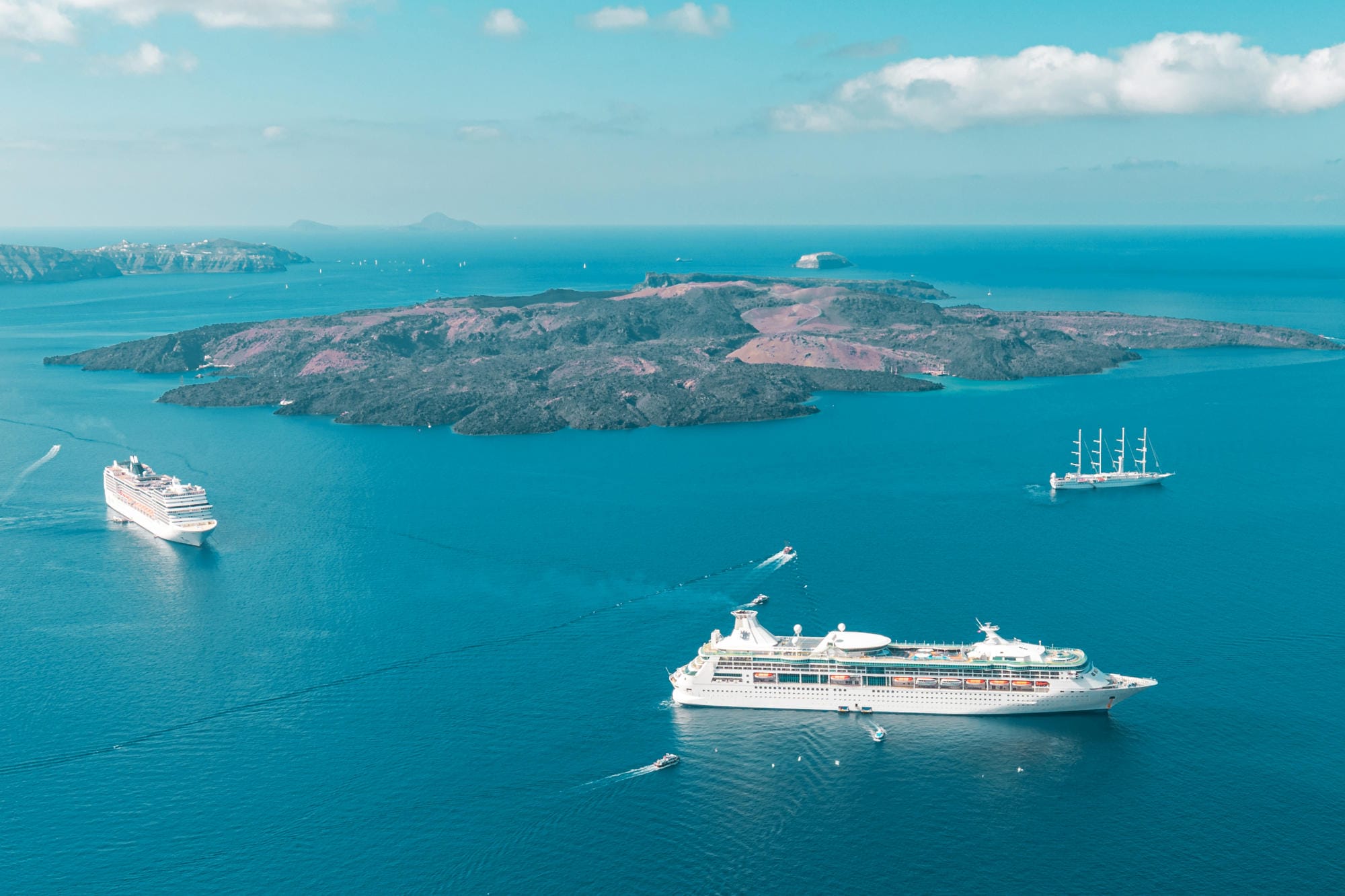
Santorini in June is close to its peak form. The island is fully open, the light is exceptional for photography, and the caldera views are stunning. The downside: crowds are building. Oia at sunset in late June is already a queue situation. The trick is to go earlier in the month (first two weeks) or visit Oia at sunrise instead of sunset.
June is genuinely one of the best months for Santorini if you can time it right — better weather than spring, lower prices and fewer people than July–August.
Mykonos — Fully Alive in June
Unlike in April when Mykonos feels half-asleep, June is when the island wakes up properly. Everything is open: beach clubs, restaurants, nightlife. The party scene starts in earnest. If this is what you’re after, June is excellent. If you want Mykonos without the intensity, go in early June (first week) — the season has started but hasn’t peaked.
Crete — One of the Best June Destinations
Crete in June is excellent. The island is big enough that you can always find a quieter beach or village even as the popular spots fill up. The sea temperature (24°C) is ideal. The Samaria Gorge is fully open. Renting a car and exploring the western or eastern ends of the island — away from Heraklion and Chania — gives you June weather with April-level crowds.
Rhodes — Warm, Sunny, and Worth It
Rhodes in June hits its stride. The medieval Old Town is atmospheric and not yet overwhelmed. Beach days are reliable. The combination of history, good food, and warm water makes Rhodes one of the more balanced destinations in Greece for a June trip.
Smaller Islands: Paros, Naxos, Zakynthos, Corfu
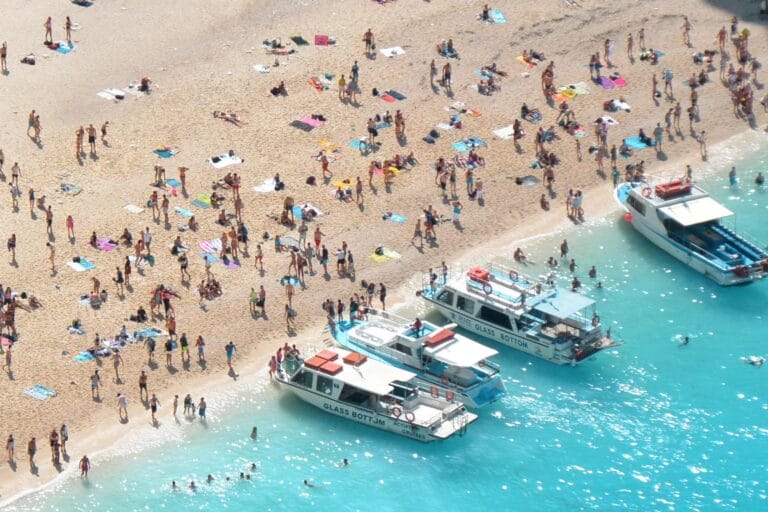
June is an excellent time for the secondary islands. Paros and Naxos in the Cyclades offer a more relaxed version of the Santorini/Mykonos experience — similar scenery and sea, without the same level of crowds or prices. Zakynthos in June has its famous Navagio Beach and sea turtles nesting season in full swing. Corfu is lush and warm, with fewer tourists than its peak-summer self.
What to Do in Greece in June
Beach Days
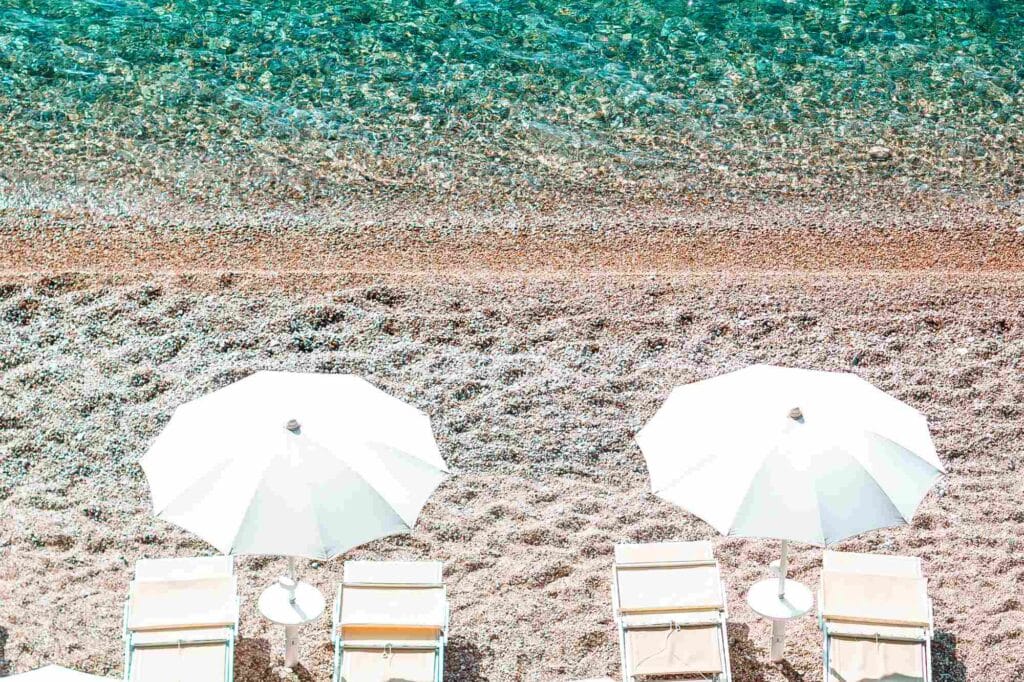
June is the first month where beach days are the main event rather than a side activity. Water at 23–24°C is comfortable for hours of swimming. The beaches aren’t yet at peak occupancy, though popular spots like Red Beach in Santorini and Paradise Beach in Mykonos are filling up. Go early in the morning (before 10am) on busy beaches to get a good spot without paying for a sunbed.
Archaeology and Sightseeing
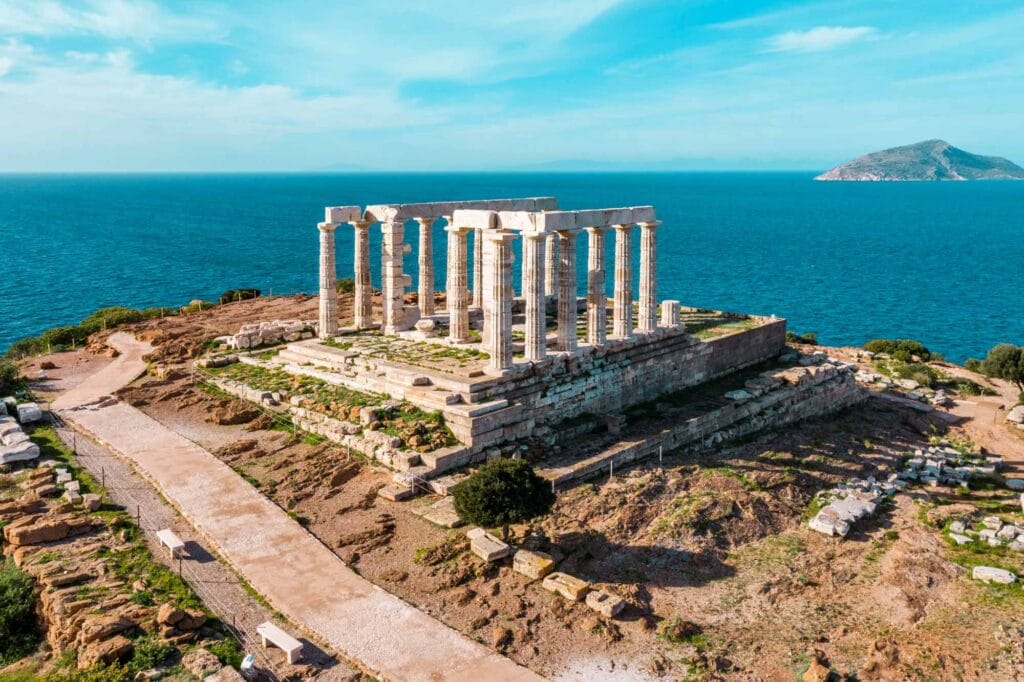
The ancient sites are excellent in June. The combination of long days and pre-August crowds makes visiting the Acropolis, Delphi, Olympia, or Knossos more rewarding than in high summer. The key is timing: visit between 8–10am or after 5pm. Midday at an exposed ancient site in June can be 30°C+ — uncomfortable and less enjoyable.
Island Hopping
June is one of the best months for island hopping. Ferry schedules are at near-full summer frequency. The sea is calm more often than in April or May. And you haven’t yet hit the August ferry booking crunch. Book ferries at least 1–2 weeks in advance for popular routes.
Hiking (Early June Only)
Hiking in Greece in June is best in the first two weeks. By late June, the heat on exposed trails — particularly in the Cyclades and mainland — makes full-day hikes uncomfortable. The Samaria Gorge in Crete is manageable in June if you start at 7–8am. Mountain areas like Meteora and Zagori in northern Greece stay cooler and are good throughout the month.
Food, Wine, and Local Life
June is excellent for food. Fresh seafood is at its peak. Local produce — tomatoes, cucumbers, cherries — is in season. Outdoor evening dining, which is the default Greek experience in summer, is in full swing. In smaller villages and islands, the evening volta (the traditional evening walk and gathering in the main square) is one of the most genuinely local things you can do.
Water Sports
June is prime time for water sports across Greece. Windsurfing in Paros and Naxos takes advantage of the meltemi. Kayaking, snorkeling, and scuba diving are excellent when the sea is calm. Most water sports operators are fully open and haven’t yet reached peak-season pricing.
How Crowded Is Greece in June?
This is the question most people are actually asking when they research Greece in June. The honest answer: it depends on where you go and when in the month.
| Destination | Early June (1–15) | Late June (16–30) |
| Athens | Busy but manageable | Busy, building toward peak |
| Santorini | Moderate — still pleasant | Crowded, Oia is packed at sunset |
| Mykonos | Lively, manageable | Very busy, full party season |
| Crete | Moderate — plenty of space | Moderate to busy |
| Rhodes | Moderate | Moderate to busy |
| Paros / Naxos | Low to moderate | Moderate |
| Corfu | Moderate | Busy (UK school holidays begin) |
The key insight: early June (roughly June 1–15) is genuinely shoulder season in terms of crowd levels, despite being fully summer weather. Late June is a different story — UK and German school holidays begin, and the popular spots fill up fast.
If avoiding crowds is important to you, either go in early June or choose secondary destinations (Naxos over Mykonos, western Crete over Chania, Corfu’s north over Corfu Town) throughout the month.
How Much Does Greece Cost in June
June prices are higher than spring but below the July–August peak. Think of it as 70–85% of peak season pricing for most things.
Accommodation
| Type | April | June | Peak (July–Aug) |
| Budget hostel dorm | €20–35/night | €30–50/night | €40–65/night |
| Mid-range hotel (Athens) | €70–110/night | €100–150/night | €130–200/night |
| Mid-range hotel (Santorini) | €100–160/night | €180–280/night | €280–500/night |
| Boutique cave hotel (Santorini) | €200–350/night | €380–600/night | €550–1000/night |
| Villa / apartment rental | €80–150/night | €150–250/night | €220–450/night |
Book accommodation for June at least 4–6 weeks in advance, especially for Santorini, Mykonos, and popular Cretan resorts. In late June, availability tightens significantly.
Flights
Flights to Athens from major European cities in June: €100–220 return. From the US or UK: €400–700 return. June flights are noticeably more expensive than April — book 8–10 weeks ahead for the best rates.
Food Costs (per person)
| Item | Price |
| Coffee (Greek frappe or espresso) | €2.50–4 |
| Gyros / souvlaki | €3.50–5 |
| Lunch at a taverna | €14–22 |
| Dinner main course | €16–28 |
| Beach sunbed rental (pair) | €15–30/day |
| Boat trip / day tour | €40–90/person |
Entry Fees (unchanged year-round)
- Acropolis: €20 (€10 reduced); combo 7-site ticket: €30
- National Archaeological Museum Athens: €12
- Knossos, Crete: €15
- Delphi: €12
What to Pack for June in Greece
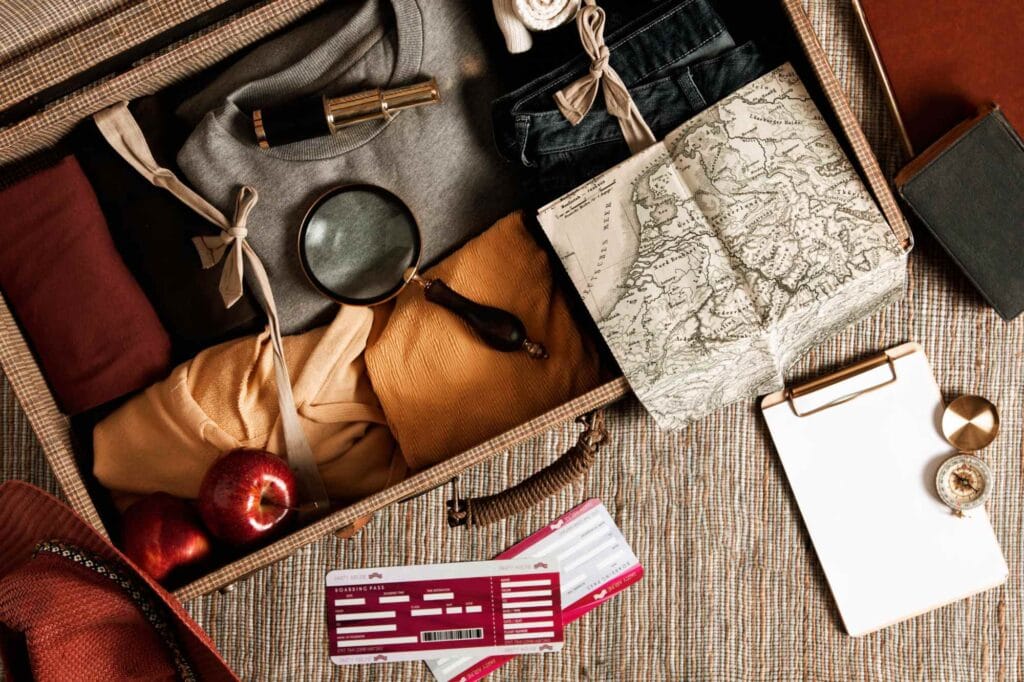
June packing is simpler than April — you’re packing for warm, dry weather with almost no rain risk. The main decisions are around sun protection and evening layers.
Clothing:
- Lightweight, breathable fabrics — linen and cotton over synthetics
- Shorts, t-shirts, light dresses for daytime
- One light layer (thin cardigan or shirt) for air-conditioned restaurants and cooler evenings on the islands
- Swimsuit(s) — you’ll use them daily
- Comfortable walking sandals or shoes for sightseeing
- Flip flops for beaches
- One smart-casual outfit for nicer restaurants
Sun protection — this is non-negotiable:
- SPF 50 sunscreen — reapply every 2 hours on beaches and at sites
- Wide-brim hat or cap
- Sunglasses
- A light scarf — doubles as sun cover and required for entering churches
Practical items:
- Reusable water bottle — stay hydrated, especially at archaeological sites
- Small daypack for sightseeing
- Power adapter (Type C/F — standard EU plug)
- After-sun lotion — easy to underestimate how much sun you get on a Greek beach
What not to over-pack: a rain jacket (you almost certainly won’t need it), heavy shoes, or multiple warm layers. June is genuinely hot and dry.
June vs. July: Should You Go Earlier or Wait?
| Factor | June | July |
| Weather | Warm and sunny, rarely over 32°C | Hot, regularly 35–38°C on mainland |
| Sea temperature | 23–24°C — comfortable | 25–27°C — bath-warm |
| Crowds | Moderate, rising in late June | Peak season — very busy everywhere |
| Prices | 70–85% of peak | Peak pricing |
| Accommodation availability | Good with advance booking | Book months ahead |
| Meltemi wind | Beginning, moderate | Strong, can disrupt ferries |
| Nightlife / atmosphere | Building toward peak | Full peak energy |
The honest verdict: June is the better choice for most travelers. You get the full summer experience — warm sea, long days, open beaches and restaurants — with lower prices, less competition for accommodation, and more comfortable temperatures for sightseeing. The only reason to prefer July is if nightlife intensity and the absolute warmest sea water are priorities.
Practical Tips for June Travel in Greece
Book accommodation early, especially for late June. The window between early and late June crowds is significant. If you’re flexible on dates, June 1–15 gives you the best combination of weather, value, and space.
Visit popular sites at opening time. The Acropolis opens at 8am. Arriving at 8–8:30am gives you 60–90 minutes before the tour groups arrive in force. Same logic applies to Santorini’s Oia — early morning or late evening is far more enjoyable than midday.
Rent a car on larger islands. Crete, Rhodes, and Corfu are all much better with a car in June — you can find quieter beaches that the bus-dependent tourists never reach. Book in advance as availability tightens in late June.
Book ferries at least 1–2 weeks ahead. June ferry routes are mostly reliable, but popular connections (Piraeus–Santorini, Piraeus–Mykonos) fill up, especially on weekends. Check Blue Star Ferries or use ferryscanner.com.
Carry sunscreen from home. Sunscreen in Greek tourist areas is expensive — €15–25 for a standard bottle. Bring what you need from home.
Drink water constantly at archaeological sites. The combination of sun, marble surfaces, and walking makes dehydration a real risk. Carry at least 1.5 liters and refill at museum cafes or fountains.
Pace afternoon activities. Between roughly 1pm and 4pm, when temperatures peak, schedule lunch, a siesta, or indoor activities (museums, galleries). This is how Greeks live, and it works.
June Greece Checklist
Before you go:
- Book flights 8–10 weeks ahead for best prices
- Book accommodation at least 4–6 weeks ahead (earlier for Santorini and Mykonos)
- Book ferries 1–2 weeks in advance for major routes
- Pack sunscreen SPF 50, hat, sunglasses — sun protection is essential
- Download offline maps for islands and rural areas
While you’re there:
- Arrive at archaeological sites at opening (8am) to beat heat and crowds
- Rest or eat indoors between 1–4pm when heat peaks
- Rent a car on Crete, Rhodes, or Corfu to reach quieter beaches
- Bring cash for smaller tavernas, village markets, and beach vendors
- Reapply sunscreen every 2 hours — the Greek sun is stronger than it looks
What I’d do differently: Most first-time visitors underestimate the midday heat in June and try to push through sightseeing from morning to evening. Building in a proper midday break — lunch, shade, maybe a short rest — makes the entire trip more enjoyable and sustainable.
Explore More About Planning Your Greece Trip
- When Is the Best Time to Visit Greece?
- Greece Travel Tips for First-Time Visitors
- Greece in April: Spring Travel Guide
- Greece Ferry Guide: How to Book & Navigate Islands
- Getting Around Greece: Ferries, Flights & Cars
- Island Hopping in Greece: The Ultimate Guide
- Greece Packing List
- Greece in May: The Complete Shoulder Season Guide
FAQ: Greece in June
Is June a good time to visit Greece?
Yes — June is one of the best months for Greece, particularly early June. The weather is reliably warm and sunny, the sea is comfortably warm for swimming, and the worst peak-season crowds haven’t fully arrived. Prices are higher than spring but below the July–August peak.
What is the weather like in Greece in June?
Expect daytime temperatures of 26–30°C (79–86°F) across most of Greece, with warm evenings around 18–22°C. Rain is rare — typically 1–3 days in the month across southern regions. The sea temperature reaches 23–24°C, warm enough for comfortable swimming.
Is Greece too hot in June?
In most of Greece, June is warm but not extreme. Temperatures typically stay below 32°C, which is manageable with basic precautions (hat, water, avoiding midday at exposed sites). The Cyclades benefit from the meltemi sea breeze. Athens and inland areas can be hotter, especially in late June.
Is Greece crowded in June?
Early June is relatively uncrowded. Late June is significantly busier as European school holidays begin. Overall, June is less crowded than July and August but more crowded than spring. Santorini and Mykonos fill up fastest — book ahead or go earlier in the month.
Which Greek islands are best in June?
Crete, Rhodes, and the smaller Cyclades (Paros, Naxos) offer the best balance in June — good weather, warm sea, open facilities, and not yet at peak-season crowds. Santorini and Mykonos are excellent in early June. For families, Crete is particularly strong.
Can you swim in Greece in June?
Yes — June is the first month where swimming in Greece is genuinely comfortable for most people. Sea temperatures of 23–24°C are warm enough for long beach days across all major islands and the mainland coast.
How expensive is Greece in June compared to other months?
June is more expensive than April and May but cheaper than July and August. Expect accommodation prices roughly 20–40% higher than spring, and 15–30% lower than peak summer. Booking in advance is important — especially for popular islands.
What should I pack for Greece in June?
Lightweight summer clothing, multiple swimsuits, SPF 50 sunscreen, a hat, sunglasses, and comfortable walking shoes. Pack one light layer for evenings and air-conditioned spaces. Rain gear is not needed. Don’t forget after-sun — it’s harder to find and more expensive in Greek tourist areas.