Greece in April: The Complete Spring Travel Guide
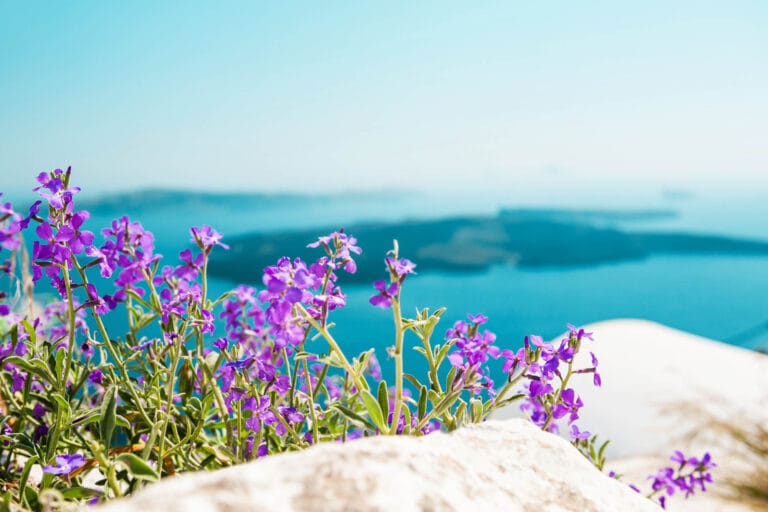
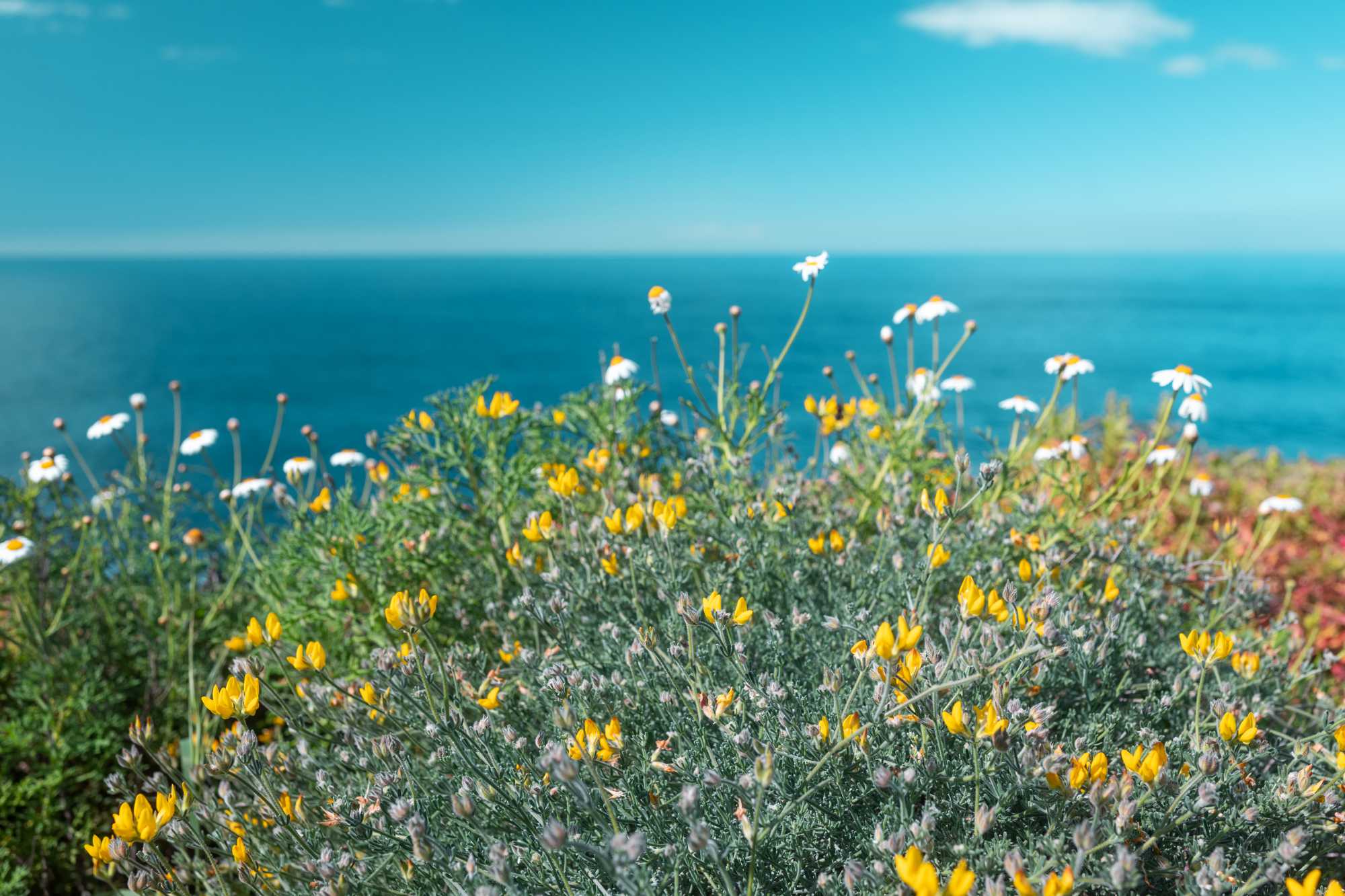
If you’ve been wondering whether Greece in April is worth it – the short answer is yes, and often it’s better than summer. The country looks different in spring: hillsides covered in wildflowers, ancient sites without the shoulder-to-shoulder crowds, tavernas where you can actually get a table and hear the person next to you. Temperatures are warm enough for sightseeing and day trips, prices are still reasonable, and you’ll find a version of Greece in April that most people who only go in August never experience.
That said, April isn’t perfect. The sea is still cold for most people. Rain is possible, especially early in the month. And if your trip overlaps with Greek Orthodox Easter, some things will be closed – while others will be extraordinary.
This guide covers everything you need: weather by region, which destinations make the most sense, what Easter means for your plans, real prices, and the practical details that make the difference between a smooth trip and a frustrating one.
April Weather in Greece: Region by Region
Greece in April sits in the shoulder season — past the rainy winter, before the dry Mediterranean summer kicks in. Here’s what to realistically expect:
| Region | Avg High | Avg Low | Rain Days | Sea Temp |
| Athens | 18–20°C (64–68°F) | 11–13°C | 6–8 days | 17°C |
| Santorini / Cyclades | 17–19°C | 12–14°C | 5–7 days | 18°C |
| Crete | 20–22°C | 13–15°C | 6–8 days | 19°C |
| Rhodes | 20–22°C | 14–16°C | 5–6 days | 19°C |
| Corfu / Ionian Islands | 18–21°C | 12–14°C | 10–12 days | 17°C |
| Thessaloniki | 16–18°C | 8–10°C | 7–9 days | — |
First half vs. second half of April
The first two weeks tend to be cooler and wetter. The second half of the month warms up noticeably and rain becomes more sporadic. If you have flexibility in your dates, aim for April 18–30 — you’ll catch better weather while still avoiding early summer crowds.
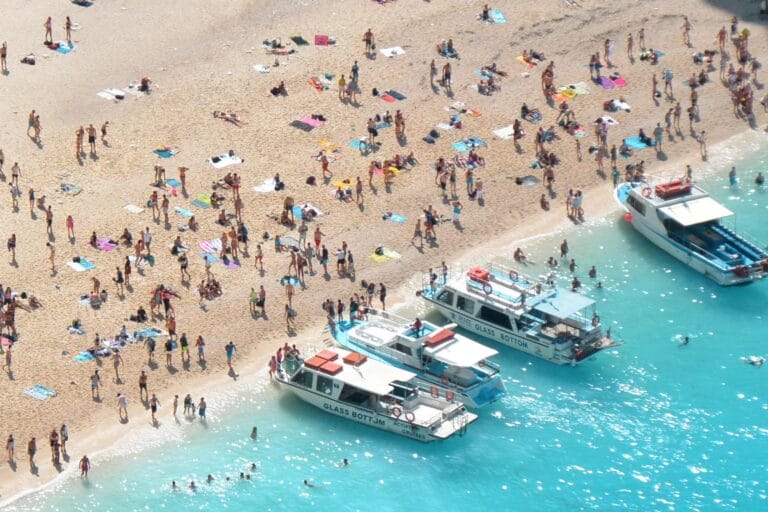
Sea swimming: Water temperature in April ranges from 17–19°C. Most Greeks still consider it too cold. If beach days are your main goal, April will probably disappoint. If sightseeing, hiking, and culture are the priority, April is excellent.
Wind: The Aegean’s meltemi wind season doesn’t fully arrive until summer, but April can bring gusty days — especially in the Cyclades. Ferry connections can occasionally be disrupted.
Rain: Short afternoon showers are more common than all-day downpours. The Ionian Islands (Corfu, Kefalonia, Zakynthos) receive the most rain in April — it keeps them lush and green, but plan for wet days if you’re heading there.
Which Destinations Are Best for Greece in April
Not every part of Greece suits an April visit equally. Here’s an honest breakdown:
Athens — Excellent in April
Athens in April is genuinely one of the best times to see the city. Temperatures are ideal for walking — you can spend a full day at the Acropolis, the Ancient Agora, and Monastiraki without the heat of July flattening you. Queues at major sites are shorter. The café culture in Psyrri and Koukaki is in full swing.
If Greek Easter falls during your visit, Athens has atmospheric processions through neighborhoods like Kolonaki and Plaka worth seeing.
Crete — Good, Especially Late April
Crete is far enough south to get better spring weather than the Cyclades, and big enough that a rainy afternoon doesn’t strand you. The Samaria Gorge opens for the season in mid-to-late April — one of the island’s best experiences. Knossos in April is manageable; in August it’s a sweaty ordeal.
Santorini — Beautiful, Quieter Than You’d Expect
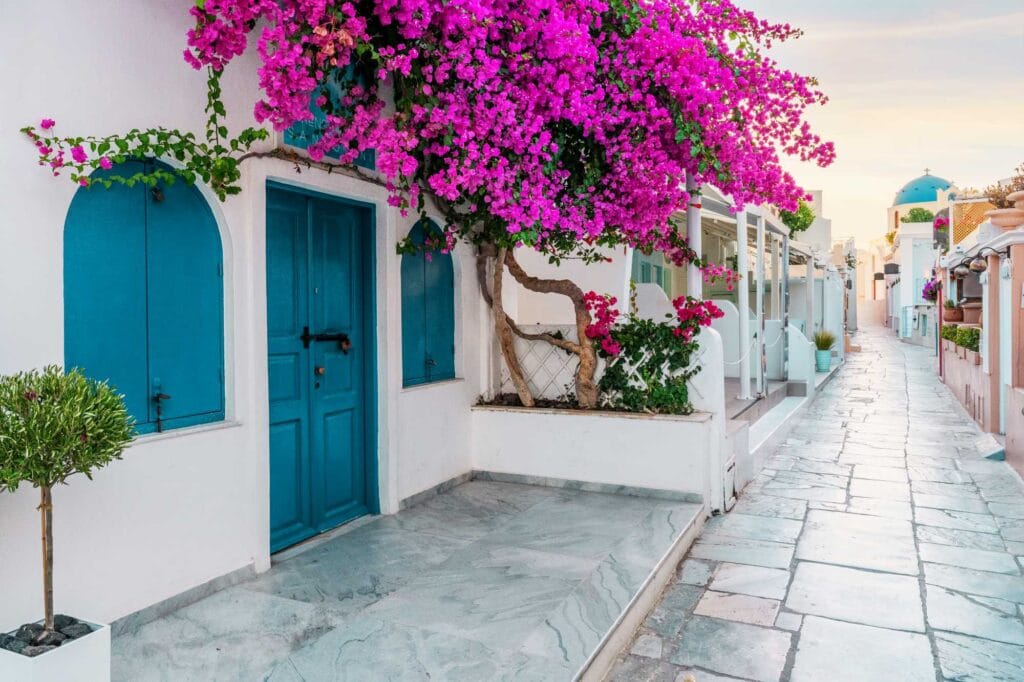
Santorini in April is still waking up for the season. Most hotels, restaurants, and tours are running, but the island is noticeably quieter than June or August. You can actually walk through Oia or Fira without stopping every five steps for someone’s Instagram shot.
The caldera views are just as dramatic in spring. The sea is cool for swimming, but the light is good and the crowds are manageable.
Rhodes — One of the Best April Choices
Rhodes benefits from its southern location — typically several degrees warmer than the Cyclades in April. The medieval Old Town is genuinely impressive and far easier to enjoy when it’s not packed with cruise passengers. Late April sea temperatures can touch 19–20°C if you want to try a swim.
Corfu and the Ionian Islands — Beautiful But Rainy
Corfu in April is lush, green, and beautiful — because it rains. If you’re okay with occasional showers and love dramatic scenery without summer crowds, it’s worth considering. If you want reliable sunshine, look to Crete or Rhodes instead.
What’s Less Worth It in April
Mykonos: Much of the island is still closed or barely operating in April. Mykonos is essentially a summer destination — it peaks hard in July and August and feels deflated in spring.
Smaller Cyclades (Milos, Folegandros): Many accommodation options and restaurants haven’t opened yet. Fine for adventurous independent travelers, but not ideal if you want full services.
Greek Orthodox Easter: Everything You Need to Know
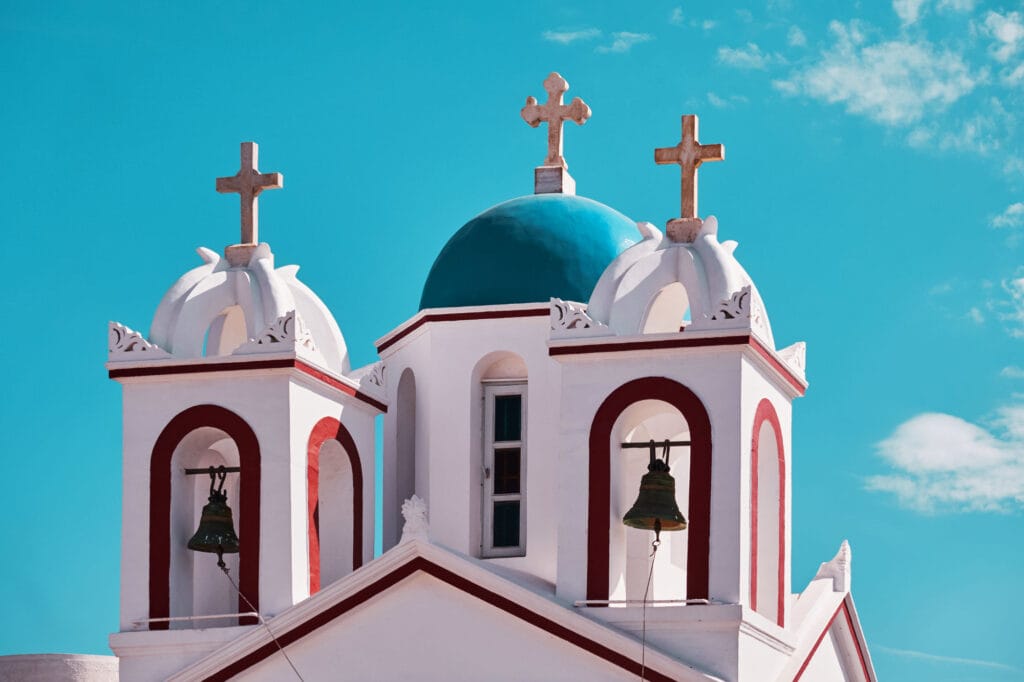
Greek Easter (Pascha) is the most important holiday in the Greek calendar, and it falls in April more often than not. For travelers, it’s one of the most memorable experiences Greece offers — but it requires planning.
When does Greek Easter fall?
Greek Orthodox Easter follows a different calculation than Western Easter and typically falls 1–5 weeks later.
| Year | Greek Easter Date |
| 2025 | April 20 |
| 2026 | April 12 |
| 2027 | May 2 |
How Greek Easter affects your trip
Holy Week (the week before Easter):
The country gradually slows down. By Good Friday (Megali Paraskevi), many businesses are closed or have reduced hours. The candlelight procession on Good Friday evening — held in virtually every village, town, and city — is one of the most atmospheric things you can see in Greece. Worth staying up for.
Easter Saturday midnight:
The Resurrection service is the centerpiece. At midnight, church bells ring across the country, fireworks go off, and thousands of people emerge from churches carrying lit candles.
Easter Sunday:
Lamb is roasting on spits by mid-morning. Families gather. Restaurants are fully booked days in advance — if you want to eat out on Easter Sunday, book ahead.
The week after Easter:
Greece returns to normal gradually. Arriving in the days immediately after Easter is often ideal — celebrations are over, prices normalize, and ferries are running fully.
Practical Easter warnings
- Ferries and buses run limited schedules on Good Friday and Easter Sunday. Check schedules before you commit to inter-island travel that weekend.
- Supermarkets close on Good Friday and Easter Sunday. Stock up Thursday.
- Hotel prices spike around Easter weekend in popular destinations. Book at least 6–8 weeks ahead.
- Greece Ferry Guide
What to Do in Greece in April
Archaeological Sites and History
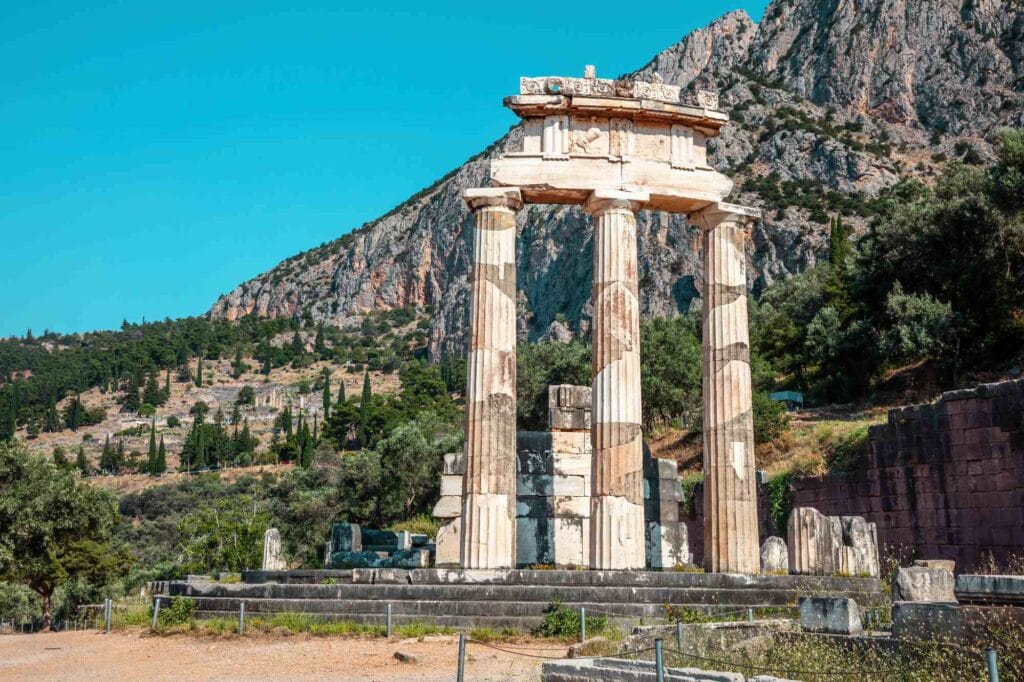
April is prime time for Greek antiquities. The Acropolis, Delphi, Olympia, Epidaurus, and Knossos are all accessible with manageable crowds and comfortable temperatures. Delphi in spring — surrounded by flowering hillsides with views down to the Gulf of Corinth — is genuinely one of the best day trips in Greece.
Hiking
Spring is the best hiking season in Greece. The Samaria Gorge in Crete opens mid-to-late April. The area around Meteora in central Greece has spectacular walking between monasteries. The Mani peninsula in the Peloponnese has wild, empty trails through dramatic landscape. In April, the trails are shaded and green rather than bone-dry and exposed.
Food and Local Culture
Easter means the best lamb you’ll eat all year. Fresh olive oil from the autumn harvest is on tables everywhere. Seafood is excellent — ask what’s in season rather than ordering off the tourist menu. April is also a good time to visit local markets (laiki agora) that run in every neighborhood once or twice a week.
Island Hopping (With Flexibility)
Island hopping in April is possible but requires flexibility. Ferry schedules aren’t yet at full summer frequency, and wind can occasionally cause delays. Stick to well-connected routes: Athens–Santorini, Piraeus–Heraklion, Athens–Rhodes. Trying to hop five islands in a week in April is risky — two or three islands with some buffer days works much better.
Driving the Greek Countryside
April is one of the best months for a road trip. The roads are quiet, the countryside is green, and you can stop at villages that in summer feel overwhelmed. Rent a car in Athens or on any major island and explore at your own pace — it’s one of the most rewarding ways to experience Greece in spring.
How Much Does Greece Cost in April
April is shoulder season — prices are noticeably lower than June through September.
Accommodation in April vs. Peak Summer
| Type | April Price | Peak Summer (July–Aug) |
| Budget hostel dorm | €20–35/night | €35–60/night |
| Mid-range hotel (Athens) | €70–110/night | €120–180/night |
| Mid-range hotel (Santorini) | €100–160/night | €250–450/night |
| Boutique cave hotel (Santorini) | €200–350/night | €500–900/night |
| Villa / apartment rental | €80–150/night | €200–400/night |
Santorini shows the most dramatic difference. If Santorini is on your list, spring is the smart time to go financially — same views, 40–60% lower prices.
Flights
From major European cities to Athens: €80–180 return in April. From the US or UK: €350–600 return depending on timing. Book 6–8 weeks out for best rates.
Food Costs (per person)
| Item | Price |
| Coffee (Greek frappe or espresso) | €2–3.50 |
| Gyros / souvlaki | €3–4.50 |
| Lunch at a taverna | €12–18 |
| Dinner main course | €14–25 |
| Supermarket daily budget for two | €20–30 |
Entry Fees (Athens, 2025–2026)
- Acropolis: €20 (€10 reduced)
- Acropolis combo ticket (7 sites): €30 — worth buying if spending multiple days in Athens
- National Archaeological Museum: €12
- Delphi Archaeological Site: €12
What to Pack for April in Greece

April weather requires a bit of thought. Here’s what actually works:
Clothing:
- Light layers — a mid-layer fleece or light jacket is essential, especially for evenings
- One waterproof or wind-resistant outer layer (a packable rain jacket is ideal)
- 1–2 pairs of comfortable walking shoes — cobblestones are everywhere
- Light trousers or jeans for cooler evenings
- Shorts and t-shirts for warmer afternoons (especially late April)
- A swimsuit — hotel pools start warming up, and late April sea is swimmable in the south
Don’t over-pack for the beach: In early April especially, you may not swim at all. Save the luggage space.
Practical items:
- Portable umbrella or packable rain jacket
- Sunscreen — the Greek sun is stronger than it feels, even in spring
- Sunglasses
- Power adapter (Type C/F — standard EU plug)
- Good walking socks
- Greece Packing List
April vs. May: Should You Wait One More Month?
A common question. Here’s an honest comparison:
| Factor | April | May |
| Weather reliability | Mixed, rain possible | More consistent sunshine |
| Sea temperature | 17–19°C (cool) | 20–22°C (more comfortable) |
| Crowds | Low to moderate | Moderate, rising fast |
| Prices | Shoulder season | Rising toward peak |
| Greek Easter | Often in April | Occasionally, if Easter falls late |
| Wildflowers / greenery | Peak | Fading in the south |
The honest verdict: If weather certainty matters most, late May is more reliable. But Greece in April — especially mid-to-late April — has lower prices, fewer tourists, and the landscape at its most naturally alive. If you want the sweet spot within April, go April 18–30 (assuming Easter has already passed that year).
Practical Tips for April Travel in Greece
Book accommodation early for Easter weekend. Even in shoulder season, Good Friday through Easter Sunday sees high demand in Athens, Santorini, and Rhodes.
Check ferry schedules before you rely on them. Use ferryscanner.com or directferries.com to verify your route is running at the frequency you expect. Some smaller inter-island routes operate 2–3 times per week in April, not daily.
Build in a flexible day. Wind can delay ferries. A rainy afternoon can reshape your plans. One buffer day per 7–10 days of travel prevents the domino effect of missed connections.
Don’t assume everything is open. Especially on smaller islands in early April, some hotels, restaurants, and tour operators haven’t started the season. Check recent Google Maps reviews before booking.
Carry cash. Most restaurants and shops accept cards, but smaller tavernas and village markets are often cash-only. ATMs are widely available in towns; scarcer in rural areas.
Respect Easter customs if your trip overlaps. Dress appropriately at churches during Holy Week. Good Friday is observed as a genuine day of mourning — loud celebrations in village squares aren’t appropriate. Respectful visitors are warmly welcomed.
April Greece Checklist
Before you go:
- Book flights and accommodation 6–8 weeks ahead (earlier if Easter falls in your travel window)
- Check the Greek Orthodox Easter date for your travel year
- Verify ferry schedules for any inter-island routes
- Pack a waterproof outer layer and proper mid-layers for evenings
- Download offline maps — useful in rural and island areas
While you’re there:
- Arrive at major archaeological sites at opening (9–10am) before tour groups
- If you’re there for Easter, try to attend the Friday night procession and/or Saturday midnight service
- Book restaurant tables for Easter Sunday in advance
- Keep one day flexible for weather or ferry delays
- Carry some cash for village tavernas and local markets
What I’d do differently: Most people underestimate how cool April evenings are in Greece and pack too light. A proper jacket — not just a cardigan — makes evening walks in Santorini or Athens genuinely comfortable rather than a cold sprint back to the hotel.
Explore More About Planning Your Greece Trip
- When Is the Best Time to Visit Greece?
- Greece Travel Tips for First-Time Visitors
- Greece Ferry Guide: How to Book & Navigate Islands
- Greece Packing List: What to Bring for Every Season
- Getting Around Greece: Ferries, Flights & Cars
- Athens Travel Guide
- Crete Travel Guide: The Ultimate Island Adventure
FAQ: Greece in April
Is April a good time to visit Greece?
Yes — April is one of the more underrated months. Prices are lower than summer, crowds are manageable, and the landscape is at its greenest and most naturally beautiful. The main trade-offs are a cool sea for swimming and occasional rain, particularly in the first half of the month.
What is the weather like in Greece in April?
Daytime temperatures range from 18–22°C (64–72°F) across most of southern Greece, with cooler evenings around 11–14°C. Rain is possible but usually comes as short showers rather than all-day rain. Crete and Rhodes tend to be the warmest and most reliable in April.
Can you swim in Greece in April?
The sea temperature in April is 17–19°C, which most people find cold for extended swimming. Late April in Crete and Rhodes is slightly more manageable. If beach swimming is your priority, May or June is a safer bet.
Does Greek Easter affect tourists visiting in April?
It can. During Holy Week and Easter weekend, ferries and buses run reduced schedules, many shops close on Good Friday and Easter Sunday, and accommodation prices spike. However, witnessing the Easter celebrations — especially the midnight Resurrection service — is a genuinely memorable experience worth planning around rather than avoiding.
When is Greek Easter in 2025 and 2026?
Greek Orthodox Easter falls on April 20 in 2025 and April 12 in 2026.
Which Greek islands are open in April?
Most major islands are open: Crete, Santorini, Rhodes, Corfu, Zakynthos, and Mykonos. Smaller, less-touristed islands may have limited options, especially in early April.
Is Greece crowded in April?
No — April is shoulder season. Major sites like the Acropolis and Santorini’s Oia are accessible without the density of peak summer. It’s one of the better months for anyone who wants to experience popular places without feeling overwhelmed.
Is Greece expensive in April?
April is noticeably cheaper than peak season. Hotels in Santorini can be 40–60% cheaper than in July–August. Flights are generally lower. It’s one of the most cost-effective windows to visit without sacrificing quality.