Thessaloniki Travel Guide: Everything You Need to Know
This Thessaloniki travel guide exists because most people planning a trip to Greece skip the city entirely — and that’s a mistake worth correcting. While Athens gets the ancient ruins and the islands get the Instagram posts, Thessaloniki quietly gets on with being one of the most compelling cities in the Mediterranean: layered with Byzantine churches and Ottoman bazaars, fuelled by the best food culture in Greece, and alive with a university energy that keeps it perpetually young.
Greece’s second city doesn’t do watered-down tourist experiences. The waterfront promenade, the White Tower at sunset, the morning bougatsa ritual, the covered market that’s been operating since the Ottoman era — these are things Thessaloniki does for itself, and visitors are welcome to join in.
Use this Thessaloniki travel guide as your starting point. Whether you’re here for a weekend city break, a stop between Athens and the northern mountains, or as a base for exploring Macedonia — everything you need is here.
Quick Facts About Thessaloniki
- Region: Central Macedonia, Northern Greece
- Population: ~350,000 (city proper); ~1.1 million (metropolitan area)
- Language: Greek — English is widely spoken in restaurants, hotels and among younger residents
- Currency: Euro (€)
- Airport: Thessaloniki International Airport — Makedonia (SKG), 15km from the city centre
- Known for: Byzantine monuments (15 UNESCO-listed), the best street food in Greece, the White Tower, vibrant nightlife, Aristotle University (one of the largest in Europe)
- Best for: Food lovers, history enthusiasts, city break travellers, anyone who wants Greece without the crowds
When to Visit Thessaloniki
Unlike the Greek islands, Thessaloniki works in every season — and in some ways works better outside the peak summer months.
Spring (April–May) — Best Overall
Mild temperatures (17–24°C), the city in full bloom, and the Thessaloniki Spring Fair in May brings energy to the already lively centre. The outdoor cafe culture kicks into gear and the waterfront promenade is at its most pleasant. Fewer tourists than Athens at the same time of year, and prices reflect it.
Summer (June–August) — Hot and Alive
Hot (30–37°C) but far less oppressive than Athens — Thessaloniki has a sea breeze and a more northerly position that takes the edge off. The city empties slightly as locals head to the nearby beaches of Halkidiki, which means less competition for restaurant tables in town. Summer evenings on the waterfront are genuinely beautiful.
Autumn (September–November) — Festival Season
September and October are arguably the best months in Thessaloniki. The Thessaloniki International Film Festival (November) is one of the most important in southeastern Europe, drawing film industry visitors from across the continent. The city is at its most culturally alive in autumn, with comfortable temperatures and a full events calendar.
Winter (December–March) — Cool, Cheap, Authentic
Cooler and occasionally rainy (8–14°C), but Thessaloniki in winter has a particular appeal — the covered market is bustling, the coffee shops are full, the Byzantine museums are quiet, and hotel prices drop significantly. Christmas markets and the festive lights along the waterfront make December a surprisingly good time to visit.
How to Get to Thessaloniki
By Plane
Thessaloniki Makedonia Airport (SKG) is 15km from the city centre and connected by direct flights from most major European hubs — including London, Amsterdam, Berlin, Vienna, Rome, and many others. In summer, charter and seasonal routes expand significantly.
From the airport to the city centre:
- Bus (Line 78A): Runs every 30 minutes to the city centre — around 45 minutes, under €2. The most economical option.
- Taxi: Fixed-rate fare to the city centre is approximately €20–25. Licensed taxis queue outside arrivals.
- Car rental: Available at the airport — useful if you’re planning day trips to Halkidiki, Vergina, or Mount Olympus. See our Greece car rental guide for tips on booking.
By Train from Athens
Intercity trains run between Athens (Larissa Station) and Thessaloniki in approximately 4–5 hours on the high-speed Hellenic Train route. Comfortable, scenic through central Greece, and a good alternative to flying if you’re not in a rush. Book in advance online for the best prices.
By Bus (KTEL)
KTEL long-distance buses connect Thessaloniki with Athens (approximately 6 hours), as well as Ioannina, Kavala, and other northern cities. Cheaper than the train, less comfortable for the long haul. The central bus terminal (KTEL Makedonia) is about 3km west of the city centre.
Getting Around Thessaloniki
The good news: central Thessaloniki is highly walkable. The waterfront, the White Tower, the old bazaar district (Ladadika and Modiano), the Byzantine churches, and the main squares are all within a 30-minute walk of each other along a relatively flat coastal strip.
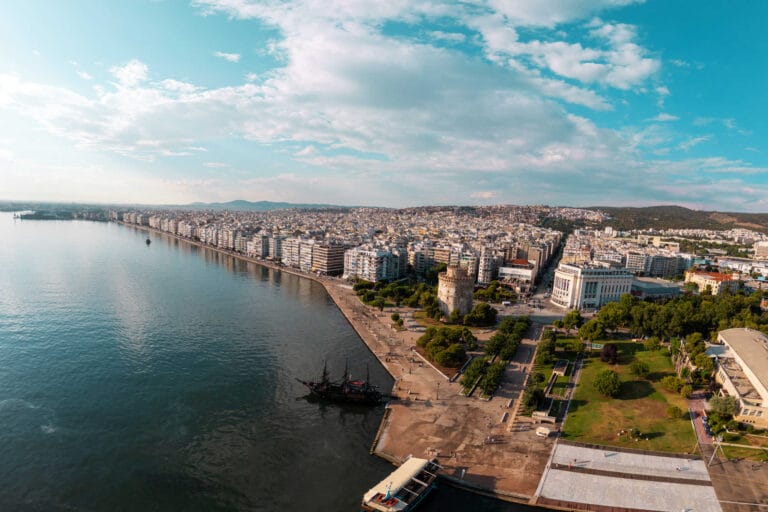
- Walking: The best way to experience the city. The 3km waterfront promenade from the White Tower to the port area is the backbone of daily Thessaloniki life — walk it at least once, ideally at sunset.
- Bus: The city bus network (OASTH) covers all neighbourhoods. Tickets are around €1 per journey. Useful for reaching the upper city (Ano Poli) if you don’t want to climb the steep streets on foot.
- Taxi / rideshare: Cheap and plentiful. Beat (the Greek rideshare app) is widely used and reliable. A taxi across the city centre is rarely more than €6–8.
- Car: Not recommended for the city centre — traffic is dense and parking is genuinely difficult. For day trips to Halkidiki, Vergina, or Dion, a rental car is the right choice.
Thessaloniki Neighbourhoods: Where to Base Yourself
The Waterfront & City Centre — Best for First-Timers
The stretch of hotels and apartments along the waterfront promenade (Leoforos Nikis) puts you within a 10-minute walk of the White Tower, Aristotelous Square, and most of the major Byzantine churches. The area is lively in the evenings and well-connected for day trips. Most visitor-facing hotels sit in this zone or just behind it.
Ladadika — Best Nightlife & Food Base
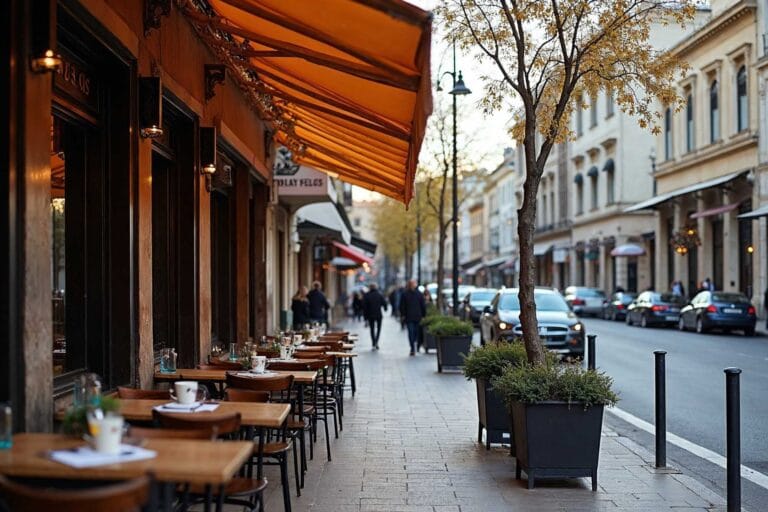
The old olive oil warehouses district, now converted into a dense cluster of restaurants, bars, and mezedopolia (mezedes restaurants). Ladadika is where Thessaloniki goes to eat and drink on weekend evenings — noisy, festive, and excellent. Staying here puts you at the heart of the food scene but does mean some noise after midnight.
Ano Poli (Upper Town) — Most Atmospheric
The old Ottoman quarter climbing up the hillside above the modern city — timber-framed houses, cobblestone lanes, Byzantine city walls, and sweeping views over Thessaloniki and the Thermaic Gulf. Fewer hotels here than in the centre, but guesthouses and small boutique properties exist for those who want the most authentic version of the city. The walk up is steep; the views are worth every step.
Aristotelous Square Area — Most Central
The grand central square of Thessaloniki — neoclassical arcades, outdoor cafes, and the main axis of city life. Hotels within a 5-minute walk of Aristotelous Square give you maximum access to everything. The square itself opens directly to the waterfront.
Top Things to Do in Thessaloniki
The White Tower
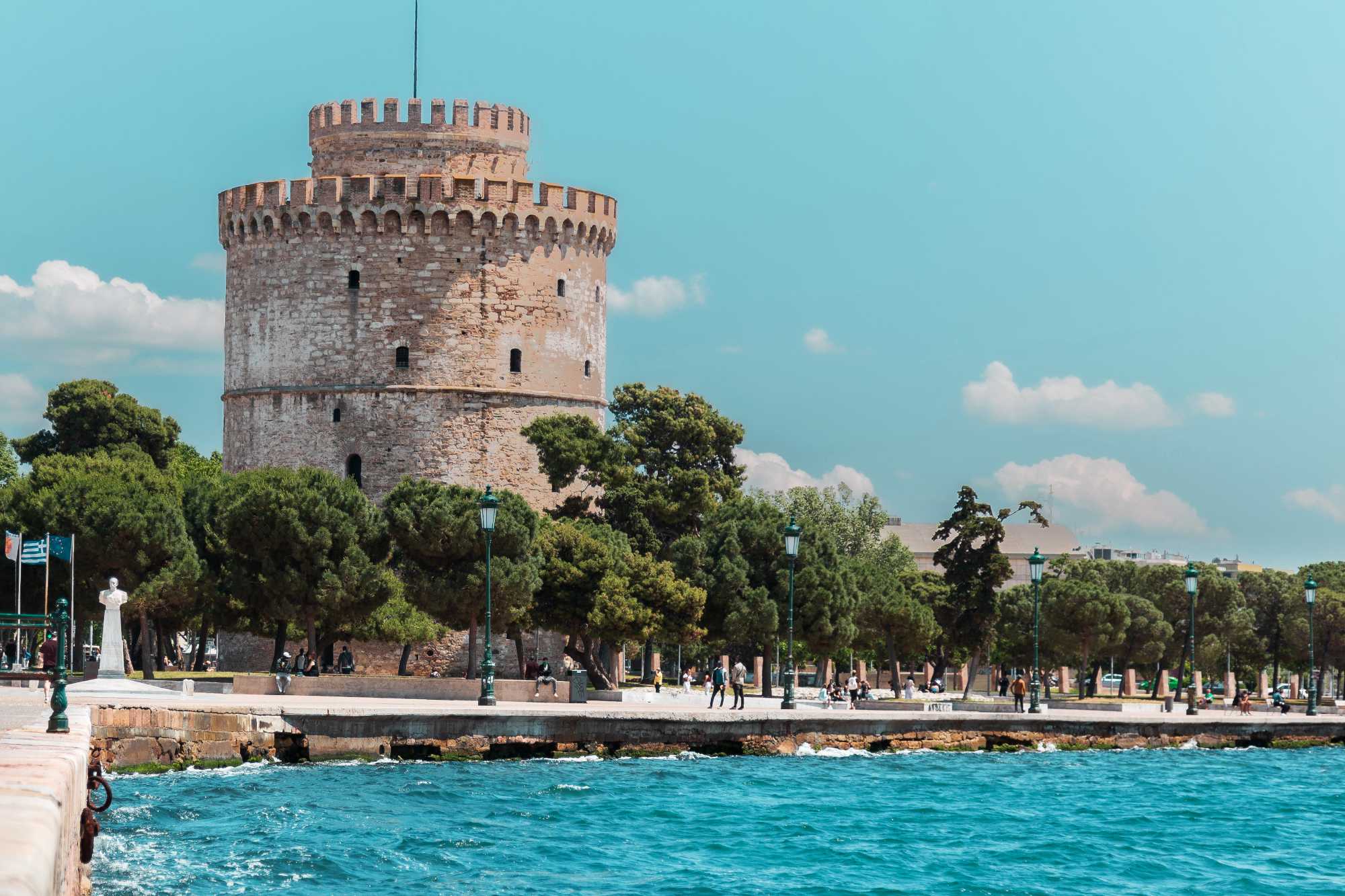
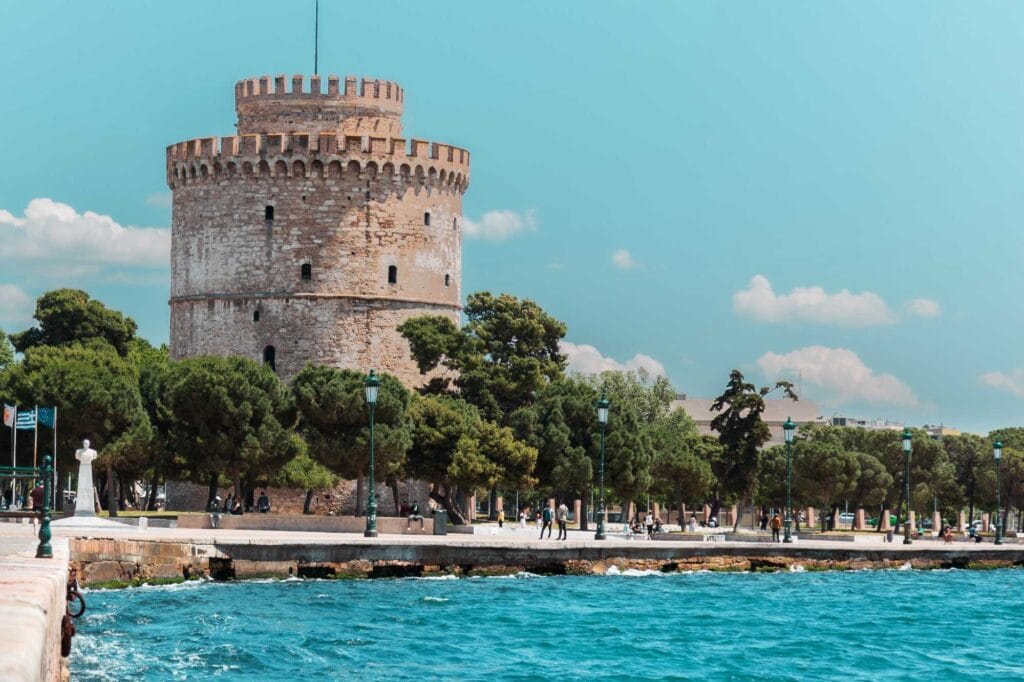
The defining symbol of Thessaloniki — a 15th-century Ottoman tower on the waterfront that served variously as a fortress, a prison, and an execution site before becoming the most visited monument in the city. The interior museum traces the history of Thessaloniki from Byzantine times through the Ottoman period to the modern era. The rooftop gives the best panoramic view of the city and the gulf. Go in the late afternoon for the light.
The Byzantine Churches — UNESCO World Heritage
Thessaloniki contains 15 UNESCO-listed Early Christian and Byzantine monuments — more than any city outside Constantinople. They are scattered throughout the city and range from the 4th-century Rotunda (originally built as a Roman mausoleum) to the 8th-century Hagia Sophia to the gorgeous 14th-century frescoes of the Monastery of Vlatadon in Ano Poli.
You don’t need to be a history enthusiast to appreciate these. The Rotunda especially — a vast circular space with the remains of the original Roman mosaics — is one of the most powerful architectural spaces in Greece.
The Modiano & Kapani Markets
Two covered markets in the heart of the city that have been operating since the Ottoman era. Modiano Market (built in 1922) is particularly atmospheric — stalls selling fresh fish, spices, olives, cheeses, and cured meats under a covered iron roof. The surrounding streets are full of small shops selling everything from hardware to herbs. Go on a weekday morning for the full market experience.
Ano Poli — The Upper Town
The Ottoman-era upper quarter of the city is one of the most charming urban spaces in Greece — a neighbourhood that somehow survived the 1917 fire that destroyed most of historic Thessaloniki. Timber-framed houses, original Byzantine city walls (still standing and walkable), small churches, and viewpoints that look out over the entire city. Allow half a day to wander without a plan.
Aristotelous Square at Dusk
The grand central square of the city, designed by the French architect Ernest Hébrard after the 1917 fire — a sweeping neoclassical space that opens directly onto the waterfront. At dusk, every outdoor table fills up, the light turns golden over the gulf, and you understand why Thessaloniki consistently ranks as one of the best cities in Greece for quality of life. Sit down, order a coffee, and stay longer than you planned.
Archaeological Museum of Thessaloniki
One of the most important archaeological museums in Greece — the gold treasures of the Macedonian royal tombs at Vergina, exhibits covering the prehistory and history of Macedonia from the Neolithic to the Roman period, and a particularly strong collection of Hellenistic objects. More manageable in scale than the Athens National Archaeological Museum, and rarely crowded. Budget 2 hours.
The Waterfront Promenade at Sunset
The 3km promenade along the waterfront is where Thessaloniki comes to breathe. At sunset, the entire city seems to walk here — families, couples, students, older residents with their coffee. The White Tower catches the last light, the water turns silver, and Mount Olympus appears on the horizon on clear days. It’s one of those city rituals that tells you everything about how a place lives.
Thessaloniki Food Guide: What to Eat
Ask any Greek from Athens where the best food in the country is, and most of them will say Thessaloniki — with some reluctance. The city has a food culture unlike anywhere else in Greece: influenced by Sephardic Jewish, Ottoman, and refugee culinary traditions that arrived with the 1923 population exchange.
Bougatsa — The Morning Ritual
The single most important food experience in Thessaloniki is breakfast at a bougatsa shop. Bougatsa is a warm pastry of crispy phyllo filled with semolina custard cream (or cheese, or minced meat), dusted with powdered sugar and cinnamon, sliced at the counter and eaten immediately. The city has specialist bougatsa shops that open from 5am and serve nothing else. Trigono Panoramatos in the upper city and Bantis near the market are two of the most celebrated. Go before 10am.
Koulouri Thessalonikis — The Street Snack
The sesame-coated bread ring that street vendors sell from carts throughout the city — thicker, chewier, and more flavourful than the Athenian version. Buy one from a street cart for €0.50 and eat it while walking. It’s the most Thessaloniki thing you can do.
Mezedes — The Way to Eat Dinner
Thessaloniki has a particularly strong mezedes culture. The mezedopoleia (mezedes restaurants) in Ladadika and around the market serve dozens of small plates — grilled cheese, seafood, vegetable dishes, cured meats, dips — alongside wine and tsipouro (the local grape spirit). An evening of mezedes in Ladadika with a group is one of the great eating experiences in Greece.
Must-Try Dishes in Thessaloniki
- Bougatsa: Warm custard-cream phyllo pastry, the non-negotiable Thessaloniki breakfast.
- Trigona Panoramatos: Crispy phyllo triangles filled with cream — a confection from the Panorama neighbourhood above the city. Worth the short taxi ride.
- Pastourmas: Heavily spiced cured beef, a legacy of the city’s Ottoman and refugee cooking traditions. Available in the market and in specialist mezedes restaurants.
- Kavourmas: Preserved spiced pork — rich, intense, spread on bread. Another northern Greek speciality.
- Fresh mussels (midia): Thessaloniki sits on the Thermaic Gulf and mussels are a local speciality — steamed with wine and herbs, or served with rice. Available in almost every taverna near the waterfront.
- Tsipouro: The local grape spirit — served cold, usually accompanied by small mezedes. The ritual of tsipouro with food is specific to northern Greece and taken seriously here.
For a full breakdown of where to eat in Thessaloniki — specific restaurants by neighbourhood and food type — see our Things to Do in Thessaloniki guide.
Day Trips from Thessaloniki
Thessaloniki’s position in northern Greece makes it one of the best city bases for day trips in the country — ancient royal tombs, Mount Olympus, peninsulas of beaches, and monasteries on rock pillars are all within reach.
Vergina (1.5 hrs): Royal Tombs of Macedonia
The ancient capital of the Macedonian kingdom, where Philip II (father of Alexander the Great) was buried. The royal tombs discovered in 1977 are among the most significant archaeological finds of the 20th century. The museum is built directly over the burial site — you walk among the tombs and see the original gold artifacts in place. Extraordinary. Rent a car or take a guided day trip.
Halkidiki (1 hr): The Three-Fingered Peninsula
The three peninsulas south of Thessaloniki are where the city goes to beach. Kassandra (the first finger) has the most developed resort infrastructure. Sithonia (the second) has the most beautiful scenery — pine-covered hills meeting clear turquoise water. Mount Athos (the third) is a self-governing monastic state — accessible only by permit for male visitors, or by boat excursion around the peninsula for everyone else.
Mount Olympus (1.5 hrs): The Home of the Gods
Greece’s highest mountain and the mythological home of the twelve Olympian gods. The national park offers hiking routes for all levels — from gentle forest walks to the summit ascent at 2,917m (a serious two-day undertaking requiring prior hiking experience). The town of Litochoro at the base of the mountain is a pleasant stop in itself.
Meteora (2.5 hrs): Monasteries in the Sky
The monasteries perched on vertical rock pillars in central Greece are one of the most extraordinary sights in Europe. More commonly visited as a day trip from Athens, but entirely feasible from Thessaloniki. Best done as an overnight stay rather than a day return if the schedule allows.
Pella (40 mins): Birthplace of Alexander the Great
The ancient capital of Macedonia where Alexander the Great was born and raised. The archaeological site includes the remarkable pebble mosaic floors of private houses — among the finest examples of ancient Greek mosaic work anywhere. The site museum is excellent. Easy half-day trip by car or bus.
Practical Tips for Visiting Thessaloniki
- Eat bougatsa on your first morning. Not optional. Find a specialist bougatsa shop (not a generic bakery), go before 10am, order the custard cream version with sugar and cinnamon. This sets the tone for the whole visit.
- Walk the waterfront every evening. The promenade is free, beautiful, and gives you the best understanding of how Thessaloniki works as a city.
- The city’s churches are free to enter and often unlocked during the day. You don’t need to be religious to spend 20 minutes inside the Rotunda or Hagia Sophia — they are genuinely extraordinary spaces.
- Climb to Ano Poli in the morning. The upper town gets steep and warm in the afternoon sun. Go early, before the city heats up, and reward yourself with a coffee at one of the small cafes near the Byzantine walls.
- Tsipouro is served cold and comes with food. Don’t treat it like a shot. The ritual is to drink slowly over a long table of mezedes, preferably with a group. Ask for tsipouro me mezes (with food) if you want the full experience.
- The Thessaloniki city pass covers entry to multiple Byzantine monuments and museums. Worth buying on arrival if you plan to visit more than 3–4 sites.
- Most restaurants don’t start filling up until 9–10pm. Arriving at 7pm gives you a quiet table and faster service — arriving at 9:30pm gives you the atmosphere.
Explore More About Thessaloniki
- Things to Do in Thessaloniki: Food, Culture & History
- Athens Travel Guide: Everything You Need to Know
- Greek Cities Guide: Athens vs Thessaloniki vs Others
- Getting Around Greece: Ferries, Flights & Cars
- Greek Food Guide: What to Eat & Where
- How to Plan a Trip to Greece: Step-by-Step Guide
FAQ
Is Thessaloniki worth visiting?
Without question. Thessaloniki is consistently rated one of the most underrated cities in Europe by travellers who visit — and one of the best cities in Greece by Greeks themselves. The food alone justifies the trip, and the Byzantine monuments, the Ano Poli atmosphere, and the waterfront promenade make it a genuinely compelling destination that rewards more than a quick stopover.
How many days do you need in Thessaloniki?
Two full days is enough to see the main highlights and eat well. Three days gives you time for a day trip to Vergina or Halkidiki. If you’re combining Thessaloniki with Athens in one Greece trip, two days here and two in Athens is a solid structure.
What is Thessaloniki famous for?
Three things above all: the food (widely considered the best in Greece), the Byzantine monuments (15 UNESCO-listed sites including the Rotunda and multiple churches), and the White Tower on the waterfront. The city is also known for its student population (Aristotle University is one of the largest in Europe), its vibrant nightlife, and its particular cultural blend of Greek, Ottoman, Sephardic Jewish, and refugee influences.
What is the best food to eat in Thessaloniki?
Bougatsa for breakfast (mandatory), koulouri from a street cart, mussels and tsipouro in a waterfront taverna, and an evening of mezedes in Ladadika. The trigona pastries from Panorama neighbourhood are worth a short detour. Thessaloniki’s food culture is built on sharing and slowness — the best meals here take two to three hours.
Is Thessaloniki better than Athens?
They’re different cities for different purposes. Athens has the ancient sites — the Acropolis, the Ancient Agora, the National Archaeological Museum — and the island ferry connections. Thessaloniki has better food, a more relaxed pace, the Byzantine heritage, and northern landscapes. Most visitors who do both come away preferring the feel of Thessaloniki, while acknowledging Athens is non-negotiable for history. If you can do both, do both.
How do I get from Athens to Thessaloniki?
By plane: 55 minutes, multiple daily flights with Aegean and Sky Express. By intercity train: 4–5 hours, comfortable, scenic, and bookable online through Hellenic Train. By bus (KTEL): approximately 6 hours, cheaper than the train. Driving: around 5 hours via the E75 motorway.
What is the White Tower in Thessaloniki?
The White Tower is the symbol of Thessaloniki — a cylindrical Ottoman tower on the waterfront built in the 15th century. It served as a fortress, a prison, and in the 19th century as an execution site (it was briefly called the “Tower of Blood”). Today it houses a museum covering the history of Thessaloniki across multiple floors, with the best city panorama from the rooftop terrace.
Is Thessaloniki safe for tourists?
Yes — Thessaloniki is a safe city for visitors. Normal urban precautions apply (watch your belongings in busy market areas), but the city has no particular safety concerns for tourists. It’s a university city with a young, internationally-oriented population, and visitors are welcome and well-treated throughout.
Ready to Plan Your Thessaloniki Trip?
Start with where to stay, then build the rest around the food and the waterfront.