Greek Food Guide: What to Eat in Greece (and Where to Find It)
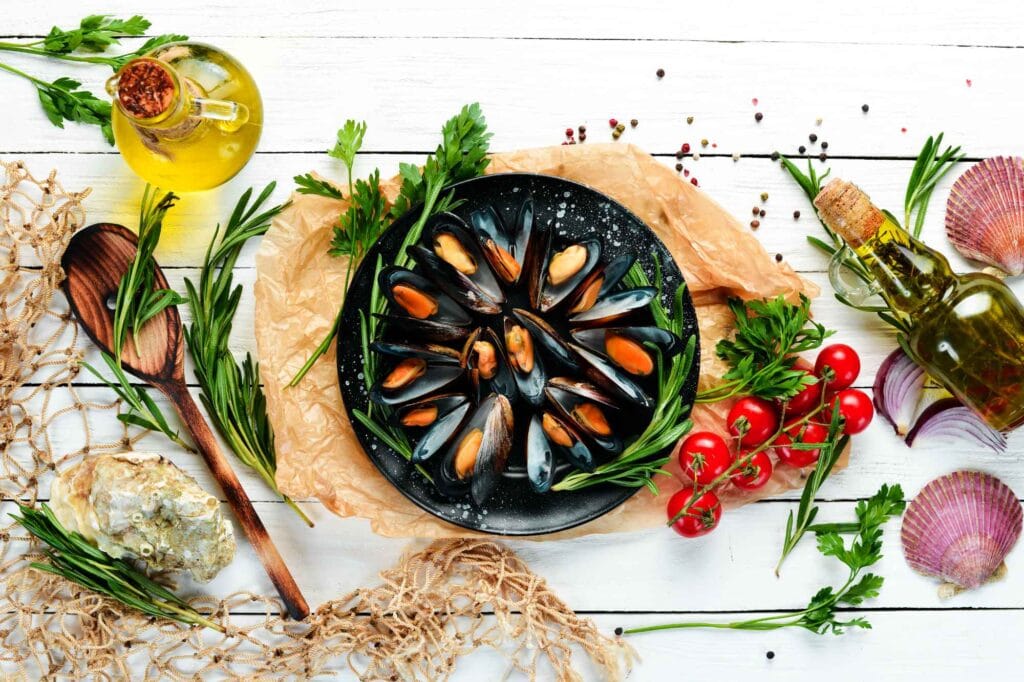
Greek food is one of those rare things that actually lives up to the hype. Not because it’s complicated or fancy — it’s the opposite. It’s the kind of cooking that trusts good ingredients: ripe tomatoes, thick olive oil, herbs picked that morning, fish caught that afternoon.
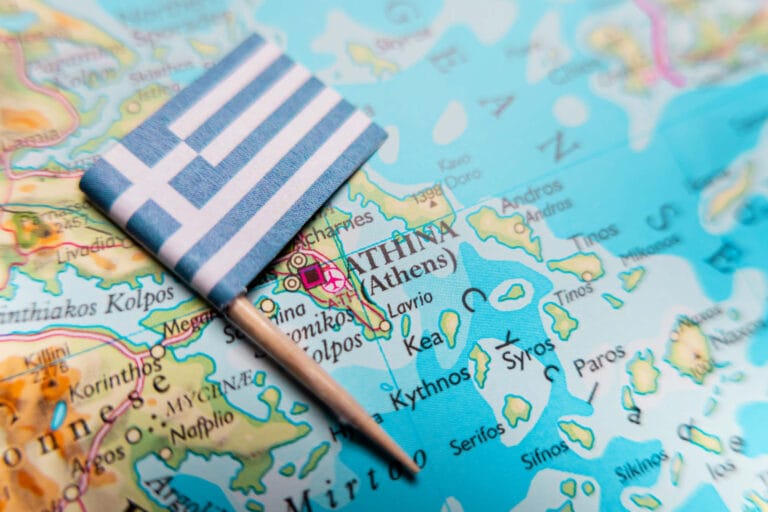
But if you walk into a taverna without knowing what to order, it’s easy to default to souvlaki and miss everything else worth eating. This guide walks you through the dishes that define Greek cuisine, the regional specialties you won’t find at home, and the practical tips for eating well — whether you’re in Athens, a village on Crete, or a harbor-front spot on Santorini.
We’ve eaten our way across Greece so you know exactly what to look for.
The Basics: Dishes Every First-Timer Should Know
These are the building blocks of a Greek meal — the dishes that show up everywhere and never disappoint.
Tzatziki
Thick strained yogurt, grated cucumber, garlic, olive oil, and a little dill or mint. It comes with bread, goes with grilled meat, and gets scooped up between every other bite. The version in Greece is much denser and more garlicky than the watery imitations you find abroad.
Horiatiki (Greek Salad)
The real thing has no lettuce. Chunky tomatoes, cucumber, green pepper, red onion, olives, and a thick slab of feta on top — dressed with olive oil and dried oregano. Skip any place that shreds the feta or adds iceberg.
Souvlaki
Skewered pork or chicken, grilled over charcoal. Eaten on a stick with lemon and oregano, or wrapped in pita with tomatoes, onion, tzatziki, and fries. The pita wrap version is called a gyros-style souvlaki or just a pita — it’s Greece’s street food staple and one of the best things you’ll eat.
Moussaka
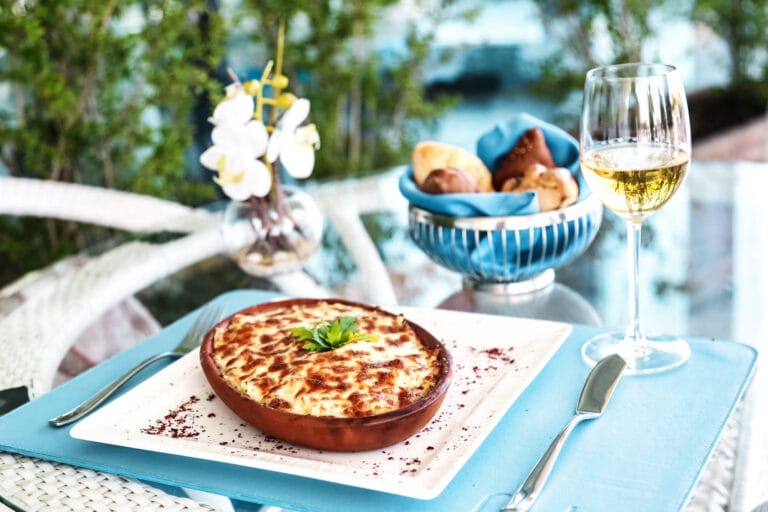
Layers of minced beef, sliced aubergine (eggplant), and a thick béchamel crust, baked until golden. It’s heavier than it looks — a midday dish more than a dinner. Ask if it’s made fresh that day; leftover moussaka reheated is a different (lesser) thing.
Spanakopita
Spinach and feta baked inside layers of crispy phyllo pastry. Eaten as a snack, a starter, or a light lunch. The best versions have a flaky, almost shattered crust and a filling that’s salty and herby without being soggy.
Tiropita
The same idea as spanakopita, but just cheese — usually a mix of feta and ricotta. Every bakery in Greece makes it. Buy one warm for breakfast. You’ll understand immediately.
Mezedes: The Greek Way of Sharing Food
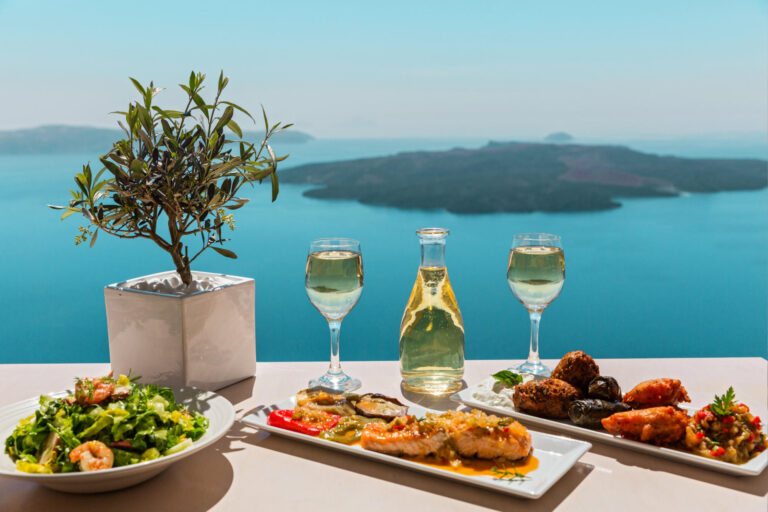
Mezedes (singular: meze) are small plates meant for the table — not starters in the Western sense, but a whole style of eating. You order a spread, pour some wine or ouzo, and graze slowly. It’s meant to take time.
What to Order
- Taramosalata — blitzed fish roe with olive oil and lemon; pink, creamy, intensely savory
- Melitzanosalata — roasted aubergine dip with garlic and olive oil, smoky and earthy
- Gigantes plaki — giant butter beans baked in a tomato sauce with herbs, a slow-cooked taverna classic
- Saganaki — fried cheese, usually kefalograviera, served sizzling with a squeeze of lemon
- Dolmades — vine leaves stuffed with rice and herbs, served with lemon and sometimes yogurt
- Fava — yellow split pea purée, smooth and silky, topped with capers and olive oil; the Santorini version is famous
- Kolokythokeftedes — zucchini fritters with mint and feta, crispy outside and soft inside
Order a mix and share. Don’t rush — this is the point.
Seafood: What to Order at the Harbor
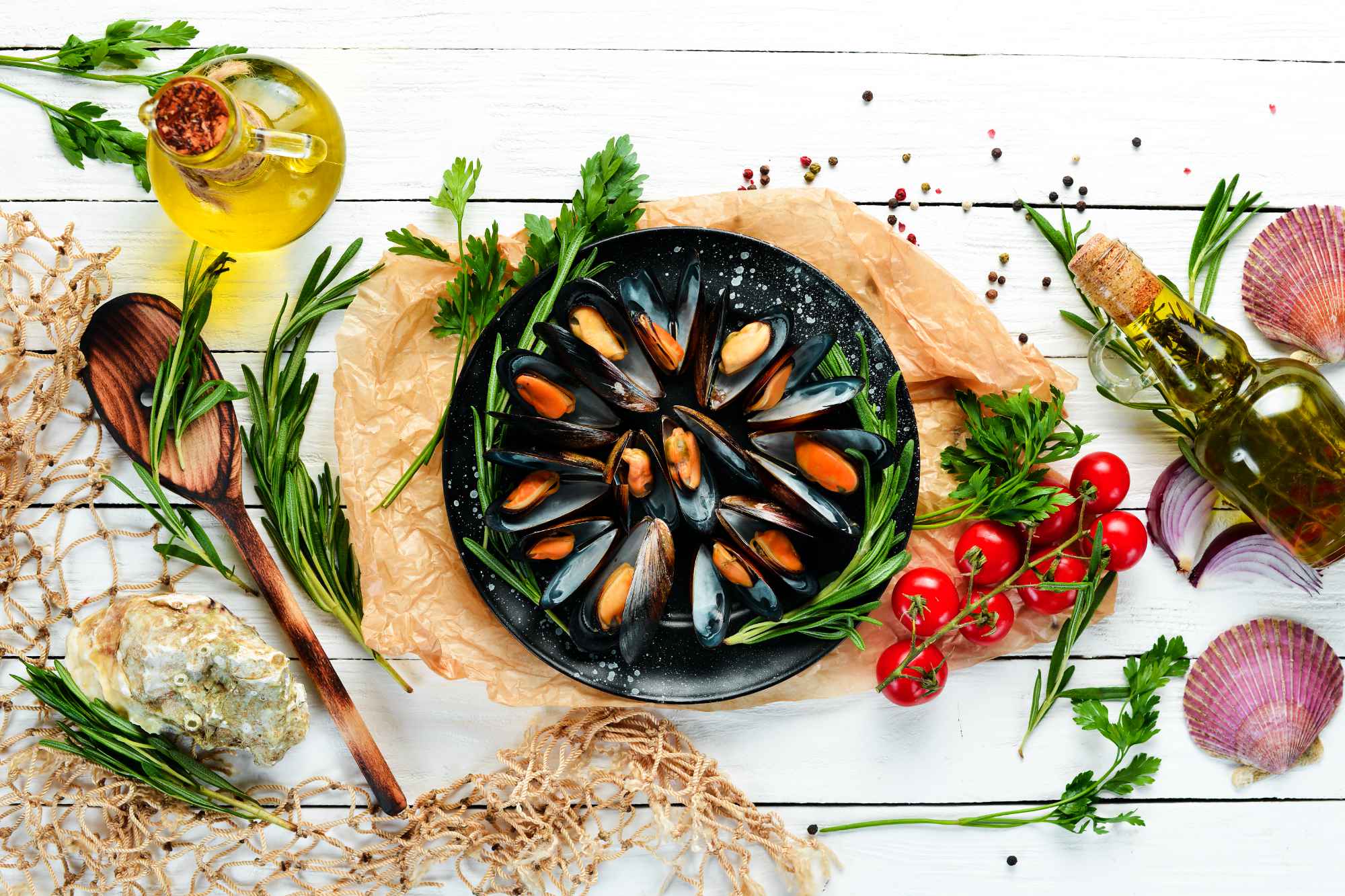
Greece has one of the longest coastlines in Europe, and fresh seafood is everywhere — but not always cheap. Fish is priced by the kilo and can add up quickly. Here’s how to navigate it.
The Classics
- Grilled octopus (htapodi) — pounded tender and charred over charcoal, often with olive oil and lemon. The purple-pink tentacles hanging outside a taverna are a good sign.
- Grilled sea bream or sea bass (tsipoura / lavraki) — whole fish, lightly seasoned, grilled simply. One of the best things to eat in Greece when it’s fresh.
- Fried calamari (kalamarakia) — lightly battered and fried; should be tender inside, not rubbery. The best versions use small, fresh squid.
- Shrimp saganaki (garides saganaki) — prawns cooked in a spiced tomato and feta sauce, served bubbling in the pan. Rich and very good.
- Sea urchin (echinos) — eaten raw with lemon directly from the shell, usually in late spring and summer. An acquired taste, but the sea flavor is extraordinary.
A Word on Price
Tavernas in tourist-heavy ports (Oia, Mykonos Town, Skiathos harbor) charge significantly more than places a street or two back. Walk away from the harbor front by five minutes and prices often drop by 30–40%. The quality is usually the same or better.
Meat Dishes Worth Knowing
Kleftiko
Slow-roasted lamb sealed in parchment or foil with olive oil, lemon, garlic, and oregano. Cooked for hours until it falls off the bone. A Sunday dish, a village dish, a dish worth planning around. Look for it in Crete and the Cyclades.
Kokoretsi
Lamb offal wrapped in intestines and roasted on a spit. A traditional Easter dish that’s polarizing but beloved. If you see it on a menu outside of Easter, order it — it’s smokier and more textured than it sounds.
Stifado
A braised stew of beef or rabbit with small onions, wine, cinnamon, cloves, and allspice. The spices are warm and aromatic without being sweet. Classic winter taverna cooking that also shows up in cooler months on the islands.
Paidakia
Grilled lamb chops, seasoned with oregano and lemon. Simple, but the quality of the meat and the char from the grill makes the difference. Order them when you see them on a menu — they’re not always available.
Loukaniko
Greek sausages spiced with orange peel and herbs — fennel, oregano, sometimes coriander. Grilled or pan-fried. A starter more than a main, and excellent with wine.
Greek Cheeses and Why They Matter
Greece has an extraordinary range of regional cheeses, and most visitors never get past feta. That’s a shame.
The Essential Cheeses
- Feta — brined white cheese made from sheep’s milk (or a mix with goat), with a crumbly texture and sharp, salty flavor. The PDO-protected version is made in specific Greek regions only.
- Kefalograviera — firm, slightly nutty cheese; the one that gets fried as saganaki. Also good grated over pasta.
- Graviera — made across Greece but the Cretan version (from Rethymno) is considered the finest: sweet, nutty, with small holes. Excellent eaten on its own.
- Myzithra — fresh, soft, and mild; a white cheese with the texture of ricotta. The aged version (xinomyzithra) is sharper and crumblier, eaten grated over pasta dishes in Crete.
- Kasseri — semi-hard, mild, and slightly buttery; used in cooking and sandwiches, and often eaten as a table cheese.
Bread, Pies, and Street Food
Koulouri
Sesame-encrusted bread rings sold from street carts in Athens and Thessaloniki every morning. Soft inside, seedy outside, eaten on the move. One of the most reliable breakfasts in Greece — costs almost nothing and tastes genuinely good.
Tiganites
Greek pancakes — thick, soft, slightly crispy at the edges, served with honey and walnuts or strained yogurt. Found at breakfast spots and village festivals. Not the French crepe, not the American stack — something in between and better than both at a good place.
Bougatsa
A flaky pastry filled with semolina custard (the sweet version) or cheese (the savory version), dusted with powdered sugar and cinnamon. The best bougatsa comes from Thessaloniki, where dedicated bakeries have been making it the same way for decades. Worth going out of your way for.
Loukoumades
Hot fried dough balls drizzled with honey and sprinkled with cinnamon. Greece’s version of a doughnut, eaten as a street snack. Modern versions come with Nutella or ice cream, but the original with thyme honey is the one worth having.
Regional Specialties by Island and Region
One of the best things about eating in Greece is how much the food changes from place to place. These are the dishes to seek out in each region.
Santorini
- Fava santorinis — a yellow split pea purée unique to the island’s volcanic soil; creamier and more flavorful than mainland fava
- Tomatokeftedes — crispy tomato fritters made with the island’s cherry tomatoes, mint, and flour; a Santorini signature
- White eggplant — a local variety, milder and less bitter; look for it grilled or stuffed
Crete
- Dakos — a barley rusk topped with grated tomato, crumbled feta, olives, and olive oil; a Cretan staple and one of the simplest, best things on the island
- Boureki — a layered pie with zucchini, potatoes, and myzithra cheese, baked in olive oil; very Cretan, very good
- Apaki — cold-smoked pork marinated in vinegar and herbs; eaten as a meze or in sandwiches
- Staka — clarified sheep butter, eaten on its own with bread or used to cook eggs; rich and intensely savory
Thessaloniki
- Bougatsa — the city is famous for it; eat it fresh from a bakery in the morning
- Trigona Panoramatos — triangular pastry filled with whipped cream, from a specific neighborhood; a local pilgrimage
- Kavourmas — preserved spiced meat, a northern Greek specialty rarely found on the islands
Dodecanese (Rhodes, Kos)
- Pitaroudia — chickpea fritters from Rhodes, crispy and spiced, similar to falafel but distinct
- Makaronia me kima — pasta with a spiced meat sauce; a Rhodian specialty with cinnamon in the sauce
Ionian Islands (Corfu, Zakynthos)
- Pastitsada — spiced beef or chicken in a rich tomato sauce over thick pasta; Corfu’s most beloved dish, Venetian-influenced
- Bianco — white fish stew with potatoes, garlic, and lemon; simple and clean, the opposite of heavy
Sweets and Desserts
Baklava
Layers of phyllo pastry with crushed walnuts or pistachios, soaked in honey syrup. Heavy and sweet — a small piece is enough. The Greek version leans toward honey and walnuts rather than the rose-water versions from Turkey or Lebanon.
Galaktoboureko
Semolina custard baked inside phyllo, soaked in a light citrus syrup. Served warm or at room temperature. One of Greece’s great desserts — underrated compared to baklava but just as good, often better.
Rizogalo
Greek rice pudding — creamy, lightly sweet, scented with vanilla or mastic, served cold. A comfort food. Found in almost every traditional kafeneion (coffee house) and a perfect midday snack.
Loukoum (Turkish Delight)
Still widely eaten in Greece despite the name. The mastic-flavored version from Chios is famous: floral, slightly piney, chewy. Worth buying a box to bring home.
Glyka tou koutaliou (Spoon Sweets)
Preserved fruits in syrup — cherries, figs, quince, orange peel — served on a small spoon as a welcome gift or with Greek coffee. Every island and village has its own version. Accept one whenever offered.
What to Drink With Your Meal
Wine
Greece has a long wine history and some genuinely excellent regional varieties that rarely leave the country. Assyrtiko from Santorini is the best-known — dry, mineral, almost saline, perfect with seafood. Xinomavro from Macedonia in northern Greece is the most serious red: tannic, complex, aged well. Moschofilero from the Peloponnese is aromatic and floral, good in summer.
House wine (hima krasi) poured from a jug or carafe is common at traditional tavernas. Order it — it’s usually local, honest, and well-priced.
Ouzo
An anise-flavored spirit, drunk diluted with water (which turns it cloudy white) over ice. Not meant to be shot — sip it slowly with mezedes. The best ouzo comes from Lesbos and Chios. An afternoon ritual on the islands.
Tsipouro / Tsikoudia
An unaged grape pomace spirit, similar to grappa. Tsipouro is from mainland Greece; tsikoudia is the Cretan version (also called raki). Served in small glasses, often accompanied by a small meze. Strong. Do not underestimate it.
Greek Coffee
Thick, unfiltered, made in a small pot (briki), served in a small cup with the grounds in the bottom. Order it glykos (sweet), metrios (medium sweet), or sketos (unsweetened). Drunk slowly. Never stirred once it arrives. An essential ritual.
Frappé and Freddo
Greece’s other coffee culture: frappé is an iced instant coffee blended with milk foam, invented in Thessaloniki and still wildly popular. Freddo espresso (cold espresso over ice) and freddo cappuccino (same with milk foam) are the modern, more refined versions. Both are everywhere.
Where to Eat: Taverna vs. Restaurant vs. Street Food
Taverna
The heart of Greek eating. Family-run, usually with a handwritten or laminated menu, sometimes no menu at all — the owner walks you through what was cooked that day. Prices are fair, portions are generous, and the cooking is honest. Look for one with locals eating, away from the main tourist strip. This is where the best food happens.
Estiatorio
A more formal restaurant, often with printed menus and a broader selection. Quality varies — can be excellent, can be tourist-facing. Check if it’s been recommended by locals or has been around for years.
Psarotaverna
A taverna focused on fish and seafood. Usually on the water. Look for the catch displayed on ice at the entrance — that’s a good sign the fish is fresh that day.
Ouzerie / Mezedopoleio
A place built around mezedes and ouzo, not full meals. Perfect for a long afternoon of small plates and drinks. Often livelier than a taverna, with more varied meze options.
Street Food and Bakeries
For breakfast and quick snacks: bakeries (fournos) for tiropita, spanakopita, and koulouri; street souvlaki stands for pita wraps; loukoumades carts near church squares and markets. Some of the best eating in Greece happens standing up.
Practical Tips for Eating Well in Greece
Timing
- Greeks eat lunch between 2–4pm and dinner rarely before 9pm (often 10pm on the islands)
- Restaurants that open for dinner at 7pm are usually geared toward tourists
- Midday is the best time for fresh cooked dishes (moussaka, stifado) — many are sold out by evening
How to Order
- Order mezedes and mains at the same time — they often arrive together
- Ask what’s fresh that day before looking at the menu
- Fish is priced by weight: ask to see it before ordering and confirm the price
- Bread is brought automatically and usually charged (typically €0.50–€1 per person)
The Bill
- You have to ask for the check — it won’t come automatically
- Service is included in most prices; leaving a few euros is appreciated but not obligatory
- Cash is still preferred at many traditional tavernas — carry some
Dietary Restrictions
- Vegetarian options are widespread: Greek cuisine has a strong tradition of plant-based dishes (especially during Orthodox fasting periods)
- Vegan is trickier — many dishes use feta, yogurt, or butter; ask specifically
- Gluten-free is limited at traditional spots; cities and tourist areas are more accommodating
Explore More: Plan Your Greece Trip
- Greece Travel Tips for First-Time Visitors
- When Is the Best Time to Visit Greece?
- Getting Around Greece: Ferries, Flights & Cars
- Best Restaurants in Athens: Where to Eat Like a Local
- Crete Travel Guide: The Ultimate Island Adventure
- Santorini Travel Guide
FAQ: Greek Food Guide
What is the most popular food in Greece?
Souvlaki (grilled meat skewers or pita wraps) is the most widely eaten street food. For sit-down dining, moussaka and horiatiki salad are closely associated with Greek cooking internationally, while locals eat a much wider range of mezedes and grilled dishes daily.
What should I eat for breakfast in Greece?
Tiropita or spanakopita from a bakery, koulouri (sesame bread rings), bougatsa (custard-filled pastry), or thick strained yogurt with honey and walnuts. Greek breakfast is light and usually eaten on the move. Frappé or Greek coffee to drink.
Is Greek food always heavy?
Not at all. Much of Greek cuisine is based on vegetables, legumes, olive oil, and seafood. Dishes like horiatiki, fava, dakos, grilled fish, and dolmades are light and fresh. The heavier dishes (moussaka, stifado, kleftiko) are typically eaten at midday, not in the evening.
What should I order if I don’t eat meat?
Greek mezedes are excellent for vegetarians: tzatziki, fava, taramosalata, gigantes plaki, melitzanosalata, horiatiki salad, tiganites, spanakopita. Grilled or baked vegetables, saganaki, and rice-stuffed dolmades also work well. Greek Orthodox fasting traditions mean plant-based cooking is deeply embedded in the cuisine.
What is feta and why does it taste different in Greece?
Feta is a protected designation of origin (PDO) cheese made from sheep’s milk (or a mix with goat’s milk) in specific regions of Greece. The genuine product has a crumblier texture, more complex flavor, and a briny sharpness that’s quite different from the softer feta sold in many countries. In Greece, it’s also often served in larger blocks rather than crumbled, which helps preserve texture.
What wine should I try in Greece?
Assyrtiko from Santorini is the most distinctive: dry, mineral, and structured, excellent with seafood. For red, try Xinomavro from Naoussa or Nemea (made from the Agiorgitiko grape). House carafe wine at a traditional taverna is usually local and genuinely good — don’t overlook it.
Is it safe to drink tap water in Greece?
In most of mainland Greece and larger cities, tap water is safe to drink. On many islands (Santorini, Mykonos, parts of Crete), tap water is desalinated and while technically safe, the taste is often poor. Locals drink bottled water, and it’s cheap and widely available.
How much does a meal cost in Greece?
A full mezedes spread with wine at a traditional taverna typically runs €20–€40 per person. A pita souvlaki wrap costs €2.50–€3.50. A sit-down fish meal at a harbor-front psarotaverna can be €50+ per person. Eating one street back from tourist areas consistently costs 20–40% less for the same quality.
Ready to Start Planning?
Greek food is one of the best reasons to visit — and understanding what to order is the first step to eating well. The next step is choosing where to go.