Greece Travel Insurance: Do You Need It & How to Choose the Right Plan
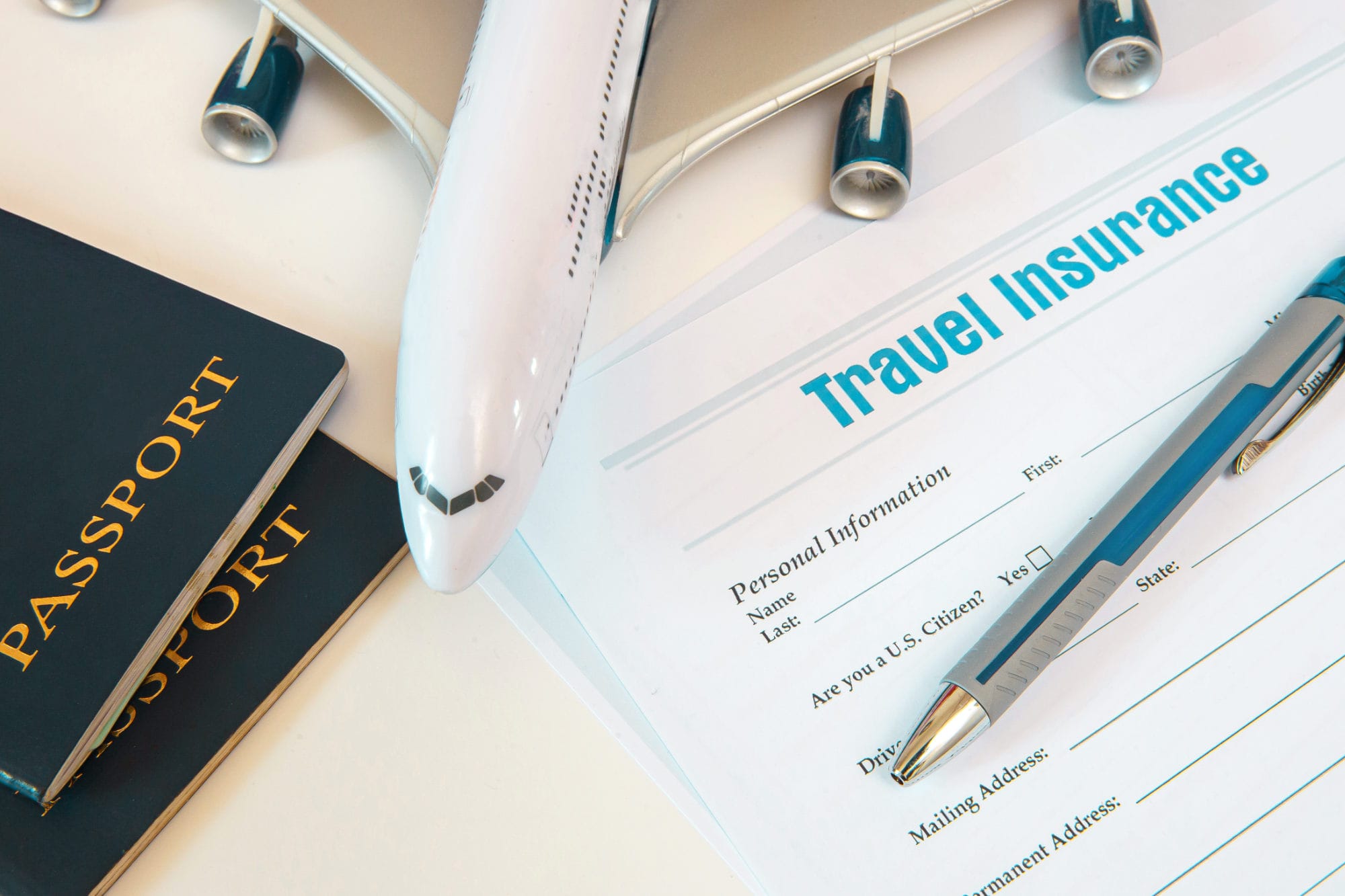
Greece travel insurance is one of those things most people either skip entirely or throw at the first option that pops up. Neither approach is ideal — especially when you’re planning a trip to Greece that might involve island ferries, rental cars, boat excursions, and flights booked months in advance.
The good news: you don’t need an expensive, all-covering policy for every trip. What you need is the right coverage for your specific situation — and a clear idea of what you’re actually protecting against.
This guide breaks it down plainly. What travel insurance for Greece typically covers, what it doesn’t, which situations make it genuinely worth buying, and how to find a policy that matches your trip without paying for things you’ll never use.
Note: This page contains affiliate links. We may earn a small commission at no extra cost to you when you book through our links. This helps us keep creating free travel guides.
─────────────────────────────────────────────
Do You Actually Need Travel Insurance for Greece?
The short answer: yes, for most trips it’s worth having — but the reasons matter more than the blanket advice.
Greece is a safe, well-developed destination with good hospitals in major cities and tourist areas. You’re not heading somewhere remote with limited medical access. That said, there are a few Greece-specific scenarios where travel insurance earns its cost quickly:
- Flight or ferry disruptions causing you to miss a connection or lose a non-refundable booking
- Medical treatment costs — especially private clinics, which most tourists end up using for speed and convenience
- Rental car incidents — your credit card may not cover what you think it does
- Cancellation of a trip you’ve prepaid months in advance
- Lost luggage on island-hopping legs where bags occasionally get routed incorrectly
If you’re booking a last-minute trip on flexible tickets with no prepaid components and you have strong medical coverage through another source, you might reasonably skip it. For most planned trips — especially those involving significant prepaid costs — the math tends to favor buying a policy.
What Travel Insurance for Greece Typically Covers
Policies vary, but most standard travel insurance plans include some combination of the following:
Trip Cancellation & Interruption
If you need to cancel or cut short your trip due to a covered reason — illness, a family emergency, certain work situations — this covers non-refundable costs like flights, hotels, and tour bookings. This is often the highest-value component for trips with significant prepaid expenses.
Emergency Medical & Evacuation
Covers medical treatment abroad and, if needed, emergency evacuation to an appropriate medical facility. For Greece, the evacuation element is particularly relevant for island travelers — if you have a serious medical incident on a small island, getting to a hospital with the right facilities might require a helicopter or boat transfer, which is expensive without coverage.
Baggage & Personal Belongings
Compensation for lost, stolen, or damaged luggage and personal items. Worth having, though the limits and exclusions vary widely — expensive electronics and jewelry are often limited or excluded unless you declare them separately.
Travel Delay
Covers additional expenses (meals, accommodation) if your journey is delayed beyond a threshold — typically 6–12 hours depending on the policy. Relevant if you’re doing island hopping with multiple connections, where delays can cascade.
Personal Liability
Covers you if you accidentally cause injury or damage to a third party. Less commonly needed, but useful to have on longer trips.
What’s Usually NOT Covered (Read This Carefully)
The exclusions matter as much as the inclusions. Common situations that most standard policies won’t cover:
- Pre-existing medical conditions — unless you specifically declare them and pay the additional premium
- Activities classified as ‘high-risk’ — cliff jumping, quad biking, scuba diving (without an add-on), some watersports
- Changing your mind about the trip — standard cancellation cover requires a specific covered reason, not just preference
- Alcohol or drug-related incidents — virtually all policies exclude claims arising from intoxication
- Unattended belongings — leaving your bag on a beach and having it stolen is typically not covered
- Rental vehicle damage — standard policies often exclude this or provide minimal cover; check carefully
The rental car situation deserves particular attention. Many travelers assume their travel insurance or credit card covers rental car damage in Greece — and discover too late that coverage is partial, has high excess limits, or excludes certain vehicle types (quad bikes and ATVs are almost always excluded). Our car rental guide covers this in more detail.
The EHIC / GHIC Card: What EU & UK Travelers Should Know
For EU Citizens
The European Health Insurance Card (EHIC) gives EU citizens access to state healthcare in other EU countries — including Greece — at the same cost as locals. This means medically necessary treatment at public hospitals is either free or at reduced cost. It’s a useful baseline, but it’s not travel insurance: it doesn’t cover private treatment, repatriation, trip cancellation, or baggage.
For UK Citizens
UK citizens can apply for the Global Health Insurance Card (GHIC), which replaced the EHIC post-Brexit and provides similar rights to state healthcare within the EU. The same limitations apply — it covers public healthcare only, with no trip cancellation or other travel-related protection.
The Practical Reality
Public hospitals in Greece are functional but often stretched, particularly on smaller islands and during peak summer. In practice, many tourists end up at private clinics for speed and English-language service. Private treatment costs are not covered by EHIC/GHIC. Supplementing with travel insurance that covers private medical treatment fills this gap.
Bottom line: carry your EHIC/GHIC card alongside your travel insurance policy, not instead of it.
Key Situations Where Insurance Really Matters in Greece
Rather than abstract policy language, here are the concrete Greece scenarios where travelers are most glad they had coverage:
Ferry & Flight Disruptions
Greek ferry services are subject to weather cancellations — particularly in the Aegean, where strong winds (the famous meltemi) can ground ferries for a day or more with little notice. If you have non-refundable hotels or onward flights booked tight against a ferry connection, a cancellation can create a costly domino effect. Travel insurance with trip interruption cover protects against this.
Scooter & Quad Bike Incidents
Renting a scooter or quad bike on a Greek island is extremely popular — and one of the most common causes of tourist injuries. Many standard travel insurance policies exclude motorized vehicles above a certain engine size, or require a valid license for the vehicle category. If you plan to rent a scooter, check your policy explicitly before you go, not after you come off it.
Medical Evacuation from Remote Islands
Greece has over 200 inhabited islands, and medical facilities vary significantly. A serious incident on a smaller island — a bad fall, appendicitis, a heart issue — can require air or sea evacuation to a larger hospital. Without insurance, this cost falls entirely on you.
Pre-Booked Trips Cancelled Due to Illness
If you’ve booked a significant trip months in advance with hotels, tours, and flights — and you or a close family member gets seriously ill before departure — trip cancellation cover allows you to recover those costs. The more you’ve prepaid, the more valuable this becomes.
Types of Travel Insurance: Which One Fits Your Trip?
Single-Trip Policy
Covers one specific trip from departure to return. The most straightforward option if you travel once or twice a year. You choose the dates, destination, and coverage level, and the policy is active for that trip only.
Annual / Multi-Trip Policy
Covers all trips taken within a policy year, up to a maximum duration per trip (typically 30–45 days per journey). If you travel three or more times a year, this often works out cheaper than buying individual policies each time — and more convenient, since you don’t need to remember to buy cover before each trip.
Backpacker / Long-Stay Policy
Designed for extended trips of 2–6 months or longer. If you’re planning a long Greek summer with lots of island hopping, some regular policies have duration limits that make a long-stay policy more appropriate.
Group & Family Policies
Some insurers offer family or group rates that cover all members under one policy. For families traveling together — particularly those with children — this is often cheaper and simpler than individual policies.
How to Choose a Policy: What to Actually Compare
When comparing policies for a Greece trip, focus on these specific numbers and limits rather than headline prices:
Medical Coverage Limit
Look for at least €1–2 million in emergency medical coverage. Medical evacuation from remote areas is expensive — you want a high limit here, not a minimal one.
Cancellation Cover Amount
Should match or exceed the total non-refundable value of your trip. If you’ve prepaid €4,000 in hotels and tours, a policy with €1,500 cancellation limit leaves you significantly exposed.
Excess / Deductible
The amount you pay out of pocket before the insurance kicks in. A lower excess makes small claims practical but typically costs more in premium. For medical claims, a zero or low excess is worth paying for.
Activities Covered
If you’re planning water sports, hiking, scooter rentals, or sailing, verify these are included. Many standard policies cover basic activities but exclude motorized vehicles, cliff diving, or certain extreme sports without an add-on.
Pre-Existing Conditions Clause
If you have any ongoing medical conditions, declare them. An undeclared condition that leads to a claim is a common reason for claim rejection. Declaring doesn’t always mean a big premium increase — it depends heavily on the condition.
Tips for Keeping Costs Down Without Skimping on Coverage
Travel insurance doesn’t have to be expensive — and overpaying for coverage you don’t need is just as much of a mistake as under-insuring. A few practical ways to get the balance right:
- Buy early: Purchasing insurance at the time of your first trip booking — not the day before departure — means trip cancellation cover kicks in immediately for the full booking period.
- Match the cancellation limit to your actual exposure: If most of your bookings are fully refundable, you don’t need a high cancellation limit. Focus the budget on medical and evacuation cover instead.
- Consider an annual policy if you travel regularly: The per-trip cost typically drops significantly compared to buying single-trip cover repeatedly.
- Read the activities list before buying if you plan adventure activities: Paying extra for an activities add-on is almost always cheaper than discovering you’re not covered after the fact.
- Check what your credit card already covers: Some premium credit cards include basic travel protection. Understand exactly what those limits are before assuming it’s sufficient — for medical evacuation, it rarely is.
Explore More: Plan Your Trip to Greece
- Best Car Rentals in Greece: How to Choose & Book
- Greece Flights Guide: How to Find the Best Deals
- Greece Ferry Guide: How to Book & Navigate Islands
- How to Plan a Trip to Greece: Step-by-Step Guide
- Getting Around Greece: Ferries, Flights & Cars
─────────────────────────────────────────────
FAQ: Travel Insurance for Greece
Is travel insurance mandatory for visiting Greece?
For most nationalities, no — travel insurance is not legally required to enter Greece. However, if you’re applying for a Schengen visa to enter Greece (required for certain non-EU/non-UK nationals), travel insurance with a minimum of €30,000 medical coverage is a mandatory part of the visa application.
Does the EHIC / GHIC replace travel insurance for Greece?
No. The EHIC (for EU citizens) and GHIC (for UK citizens) cover access to state healthcare in Greece at local rates — but they don’t cover private medical treatment, trip cancellation, lost baggage, emergency evacuation, or any other travel-related costs. They’re a useful supplement, not a substitute.
What level of medical coverage should I look for?
For a Greece trip, look for at least €1–2 million in emergency medical cover. This might sound high, but medical evacuation from a remote island to a mainland hospital — or repatriation back to your home country — can be extremely expensive. A low medical limit is the most common way travelers find themselves underinsured.
Does travel insurance cover scooter rentals in Greece?
It depends on the policy and the vehicle. Many standard travel insurance policies exclude motorized vehicles, or only cover them up to a certain engine size with a valid license. If you plan to rent a scooter or quad bike, read your policy’s vehicle exclusions carefully before you go and consider an add-on or a policy that explicitly covers this.
When should I buy travel insurance — right away or closer to the trip?
As soon as you make your first non-refundable booking. Buying insurance immediately after booking your flights means trip cancellation cover is active from that day forward — protecting the full cost of the trip. Waiting until just before departure leaves you exposed to anything that might happen in the months between booking and travel.
Does travel insurance cover ferry cancellations in Greece?
Yes — most policies with trip delay or trip interruption cover will cover additional accommodation and transport costs if a ferry is cancelled due to weather or operational issues, provided the delay meets the policy’s minimum threshold (typically 6–12 hours). Check the specific wording and threshold in your policy.
I have a pre-existing condition — can I still get covered?
Yes, but you must declare it. Most insurers will cover pre-existing conditions if disclosed — often with a small additional premium, depending on the condition. An undeclared pre-existing condition that leads to a medical claim is one of the most common grounds for claim rejection. Always declare honestly and get confirmation of coverage in writing.
Is annual travel insurance worth it for Greece?
If you travel to Europe two or more times a year, an annual multi-trip policy is almost certainly more cost-effective than buying individual single-trip policies. It also eliminates the risk of forgetting to buy cover before a last-minute trip. Compare the annual premium against the combined cost of two or three single-trip policies for similar coverage levels.
─────────────────────────────────────────────
Plan Your Trip to Greece with Confidence
The right insurance policy won’t change how you experience Greece — but it will let you enjoy it without the background worry of what happens if something goes wrong. One policy, bought early, that matches your actual trip and activities is all you need.