Greece Health and Safety: Essential Guide for Travelers
Greece is one of the safest countries in Europe to travel. Violent crime is rare, the infrastructure on popular islands is well-developed, and millions of visitors pass through every year without incident. That said, ‘safe’ doesn’t mean ‘nothing can go wrong.’
The real risks in Greece are mostly environmental — the sun, the heat, the sea — rather than anything to do with crime or political instability. A few practical precautions cover the vast majority of situations. This guide walks through everything you need to know about Greece health and safety before you arrive, so you can spend your trip actually enjoying Greece instead of worrying about it.
We cover health risks, emergency contacts, travel insurance, sea and beach safety, food and water, and practical safety tips for solo travelers and families.
Is Greece Safe to Visit?
Yes — Greece consistently ranks among the safest tourist destinations in Europe. The Global Peace Index places it in the upper tier of peaceful countries, and the day-to-day experience on the islands and in cities reflects this. Pickpocketing and petty theft exist in busy tourist areas (as in any European city), but violent crime against tourists is genuinely rare.
The areas most visited by tourists — the Cyclades, Crete, the Ionian Islands, Athens, Thessaloniki — are well-policed and have established tourist infrastructure. Remote areas and less-visited islands are equally safe, often more so.
The risks worth taking seriously in Greece are primarily:
- Sun and heat exposure
- Sea currents and beach conditions
- Traffic, particularly on scooters and mopeds
- Petty theft in crowded areas
- Wildfires in dry summer conditions (mostly away from tourist areas)
None of these require anxiety — they require awareness. This guide covers each one.
Emergency Numbers in Greece
Save these before you travel. The pan-European emergency number 112 works from any phone, including without a SIM card, and connects to English-speaking operators.
| SERVICE | NUMBER | NOTES |
| General Emergency (EU) | 112 | Works from any phone, any network, no SIM required |
| Police (Astynomia) | 100 | Local police; some English spoken in tourist areas |
| Ambulance (EKAB) | 166 | National ambulance service |
| Fire Service | 199 | Also handles wildfire reports |
| Coast Guard | 108 | Sea emergencies, missing persons at sea |
| Tourist Police | 171 | English-speaking; handles tourist-specific issues |
| Road Assistance (ELPA) | 10400 | Breakdown and roadside help |
| Poison Control Centre | 210 779 3777 | Athens-based, available 24 hours |
💡 Quick Tip: The Tourist Police (171) are specifically trained to assist visitors and operate in English. For non-emergency issues — a lost passport, a dispute with a taxi driver, a scam report — they’re the right first call, not the general police line.
Travel Insurance: Why It Matters
Travel insurance is essential for any Greece trip, not optional. The Greek public healthcare system provides emergency treatment, but the quality and availability vary significantly between the mainland and smaller islands. Private treatment — which is often faster, better-equipped, and English-speaking — is not covered without insurance.
More practically: medical evacuation from a remote island to a mainland hospital, or back to your home country, can cost thousands of euros without coverage. A single night in a private hospital is expensive. Insurance that costs €30–60 for a week’s trip covers scenarios that could otherwise cost tens of thousands.
What Your Policy Should Cover
- Emergency medical treatment and hospitalization
- Medical evacuation (helicopter or air ambulance) — critical for island travel
- Trip cancellation and interruption
- Lost or stolen luggage and personal belongings
- Activities: check that your policy covers water sports, hiking, moped rental, and sailing if relevant
EU and UK Travelers: EHIC / GHIC
EU citizens carrying a valid European Health Insurance Card (EHIC) are entitled to state healthcare in Greece on the same terms as Greek citizens — which means free or reduced-cost emergency treatment at public hospitals. UK citizens can use the Global Health Insurance Card (GHIC) for the same access following Brexit.
However, the EHIC and GHIC are not a substitute for travel insurance. They don’t cover private treatment, medical repatriation, trip cancellation, or stolen belongings. Carry both the card and a full insurance policy.
⚠️ Important: On smaller Greek islands, public hospitals are often limited. The EHIC covers treatment at public facilities — but the nearest public hospital with full emergency services may be on a different island. Medical evacuation (not covered by EHIC) can be the critical difference.
Sun and Heat: The Biggest Health Risk in Greece
This is, by a considerable margin, the most common health problem tourists encounter in Greece. The Greek summer sun is intense — UV levels reach extreme on the WHO scale between June and August, and temperatures regularly hit 35–38°C on the islands. Sunburn and heat exhaustion can develop faster than most visitors expect, particularly on days spent at the beach or exploring ruins.
Sunburn
Greek summer UV levels are significantly higher than northern Europe or North America. Skin that takes an hour to burn at home may burn in 20 minutes between 11am and 3pm in Greece. SPF 50+ sunscreen applied generously and reapplied every two hours (more after swimming) is the baseline.
- Apply sunscreen 20–30 minutes before sun exposure, not when you’re already on the beach
- Reapply after swimming, toweling off, or sweating — water-resistant formulas still wash off
- Don’t rely on a single morning application for an all-day beach day
- Protect ears, back of neck, tops of feet, and shoulders — commonly missed spots
Heat Exhaustion and Heatstroke
Heat exhaustion (heavy sweating, weakness, nausea, pale skin) can progress to heatstroke (high body temperature, confusion, no sweating) if ignored. Heatstroke is a medical emergency.
- Avoid strenuous activity between 11am and 4pm in July and August
- Drink water consistently throughout the day — don’t wait until you’re thirsty
- Wear a hat and light, loose-fitting clothing that covers your shoulders
- Take breaks in shade or air-conditioned spaces during peak heat
- Treat symptoms early: rest in a cool place, drink fluids with electrolytes, apply cool wet cloths to the skin
💡 Quick Tip: Schedule ancient site visits (Acropolis, Knossos, Delphi, Meteora) for first thing in the morning — ideally when they open — or late afternoon. Midday at an exposed ruin in August is genuinely unpleasant and medically unwise.
Children and the Elderly
Children and older travelers are significantly more susceptible to heat-related illness. Children dehydrate faster and don’t always recognize or communicate thirst. Keep children’s beach time in the morning or evening, use UV-protective swimwear, and ensure they drink water regularly even when they say they’re not thirsty.
Water Safety: What You Can and Can’t Drink
Tap Water
Tap water is safe to drink in Athens, Thessaloniki, and most of mainland Greece. On many Greek islands — particularly the Cyclades (Santorini, Mykonos, Paros) — tap water comes from desalination plants. It’s technically safe but the taste is often poor, and locals generally drink bottled water. Your accommodation may advise against drinking tap water; follow that guidance.
On Crete and the larger Ionian Islands, tap water quality is generally better than in the Cyclades but varies by region.
- Always ask your accommodation about local tap water before drinking it
- Bottled water is cheap and widely available across Greece — buy it in supermarkets rather than tourist shops for better prices
- A reusable bottle with a filter (LifeStraw or similar) reduces plastic waste if you’re conscious of it
Swimming Water Quality
Greece has some of the cleanest sea water in Europe. The European Environment Agency’s annual bathing water quality report consistently rates Greek coastal waters as excellent — the vast majority of monitored beaches receive the top ‘excellent’ classification.
Jellyfish are a seasonal nuisance rather than a danger in most Greek waters. The Mauve stinger jellyfish (Pelagia noctiluca) appears in some years in significant numbers, particularly in late summer. Stings are painful but not dangerous for most people. Exit the water, remove tentacle remnants without rubbing, and apply vinegar or sea water (not fresh water) to the area.
Sea and Beach Safety
The Greek sea looks inviting for good reason — it generally is. But specific hazards are worth knowing before you get in.
Currents and Conditions
- The Aegean Sea can develop strong winds and choppy conditions quickly, particularly in the afternoon — the Meltemi wind blows strongly across the Cyclades from July through September
- Rocky beaches require water shoes — sea urchins are common and painful to step on
- Check conditions before swimming from less-sheltered beaches on windy days
- Cliff-jumping spots (common on Zakynthos, Kefalonia, and parts of Crete) carry real risks — many are unmonitored; depths and submerged rocks are not always what they appear
Beach Flags
Greek beaches that have lifeguards use a standard flag system:
- Green flag: calm conditions, safe to swim
- Yellow flag: moderate conditions, take care
- Red flag: dangerous conditions — do not swim
Not all Greek beaches have lifeguards or flag systems, particularly on quieter islands and remote coves. Use judgment on these beaches and never swim alone in an unfamiliar spot.
Mopeds and Water Sports
Moped and scooter accidents are the most common cause of serious tourist injury in Greece. The combination of unfamiliar vehicles, uneven roads, tourist inexperience, and sometimes alcohol makes this a real risk. If you rent a scooter:
- Wear a helmet — always, even though you’ll see many locals not doing so
- Practice in a quiet area before taking a main road
- Check that your travel insurance covers moped rental (many standard policies explicitly exclude it)
- Avoid riding after dark on unfamiliar roads
Water sports (jet skiing, parasailing, boat trips) are generally well-regulated at major tourist beaches. Use reputable operators and confirm that safety equipment is provided before getting on anything.
⚠️ Important: Many travel insurance policies exclude moped and scooter accidents if you don’t hold a valid motorcycle license. Check your policy before renting — not after an accident.
Food Safety and Stomach Upsets
Food safety standards in Greece are generally good, and food poisoning from restaurant meals is not a common traveler complaint. The risks that do exist tend to come from a few specific situations.
Common Causes of Stomach Issues
- Change of diet and oil quantity: Greek cooking uses significantly more olive oil than most visitors are used to. Digestive adjustment in the first day or two is common and not a sign of food poisoning.
- Buffet food at resort hotels: food sitting out in heat for extended periods is a higher-risk scenario than ordering fresh from a kitchen.
- Ice in drinks: made from tap water, which on some islands may have a different mineral profile than you’re used to. Generally fine, but some sensitive stomachs react to the change.
- Shellfish in summer heat: mussels and clams spoil faster in high temperatures. Order shellfish at reputable restaurants and be cautious with mussels at cheap tourist traps that may not have proper refrigeration.
If You Get Sick
- Stay hydrated with bottled water and oral rehydration salts (sachets available at all Greek pharmacies)
- Most mild stomach upsets resolve within 24–48 hours
- Seek medical attention if symptoms include high fever, blood in stool, or illness lasting more than 48 hours
- Greek pharmacists (farmakeia) are knowledgeable and often speak English — they can advise on over-the-counter treatment before you need a doctor
Insects, Animals, and Wildlife
Mosquitoes
Mosquitoes are active from May through October, particularly at dusk and at night. They’re a nuisance rather than a health hazard in most of Greece — mosquito-borne diseases are extremely rare. Use insect repellent in the evenings, close windows or use mosquito nets if your accommodation doesn’t have screens, and keep a plug-in repellent device in the room overnight.
Sea Urchins
Common on rocky beaches and coastal rocks. Step on one and the spines break off under the skin, which is painful and can cause infection if not treated properly. Always wear water shoes on rocky beaches. If you do step on a sea urchin, soften the area with olive oil and carefully remove as many spines as possible. See a doctor or pharmacist if the area becomes inflamed or if spines are deeply embedded.
Scorpions and Snakes
Both exist in Greece but rarely encountered by tourists who stay on paths and in populated areas. Scorpions hide under rocks and in dark crevices — shake out shoes left outside overnight. Greek snakes are generally non-aggressive; if you encounter one, move away and leave it alone. The horned viper (Vipera ammodytes) is venomous but rarely causes serious harm when treated promptly.
Stray Dogs and Cats
Greece has a significant stray animal population, particularly on the islands. Most are managed through sterilization programs and are not aggressive. Don’t approach stray animals if you’re unsure of their temperament, and wash hands thoroughly after contact. Seek medical advice promptly if bitten by any animal.
Healthcare in Greece: Hospitals, Pharmacies, and the EHIC
Public vs. Private Healthcare
Greece has a public healthcare system (ESY) that provides emergency treatment free or at low cost to EU/EEA citizens with a valid EHIC. Quality varies significantly: Athens and Thessaloniki have well-equipped public hospitals; some island public health centers (kentro ygeias) have limited facilities and may transfer serious cases to the mainland.
Private hospitals and clinics are generally better equipped, faster, and have more English-speaking staff. They charge upfront or require insurance confirmation. Travel insurance that covers private treatment is the practical safety net for most visitors.
Pharmacies (Farmakeia)
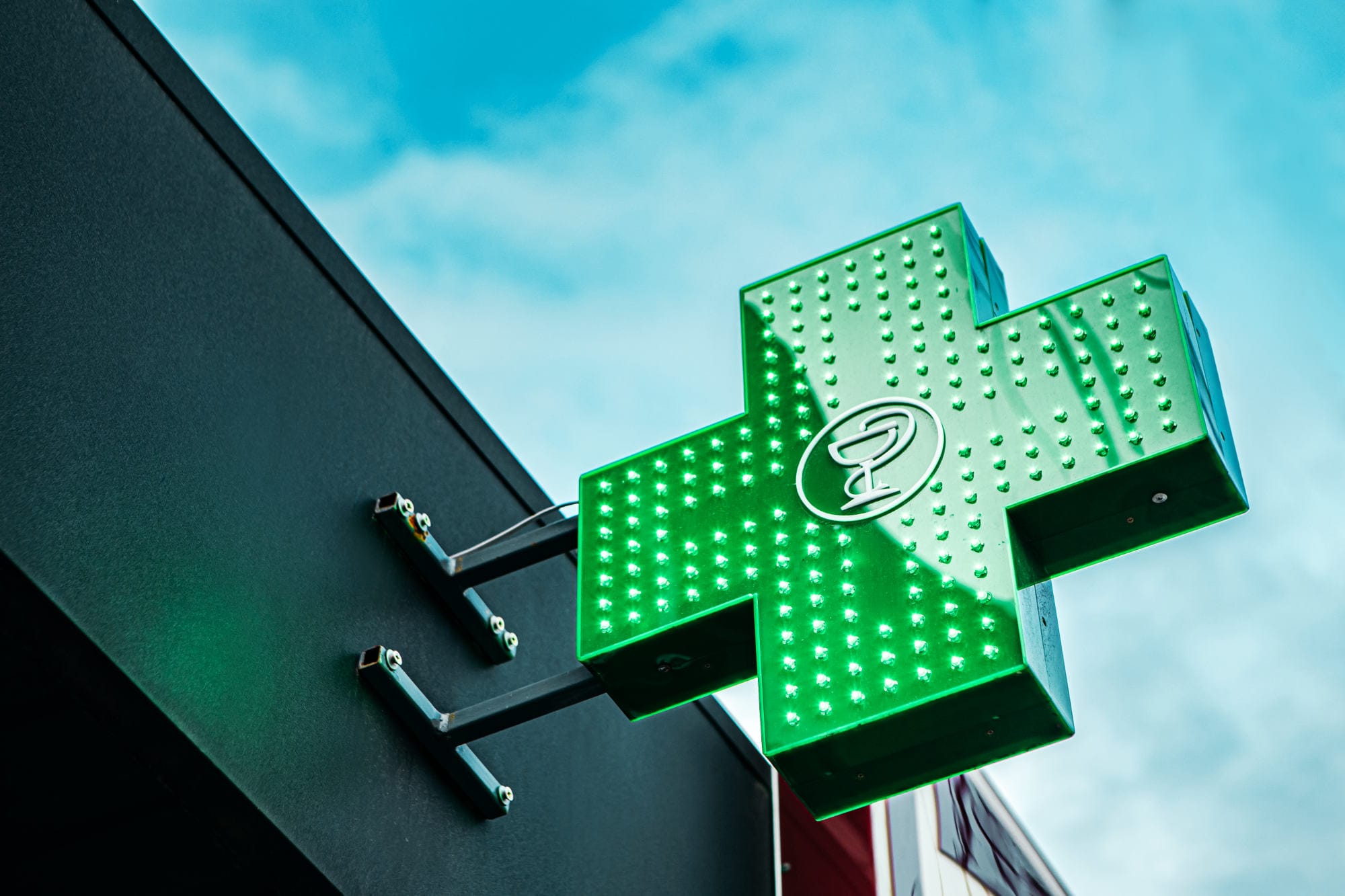
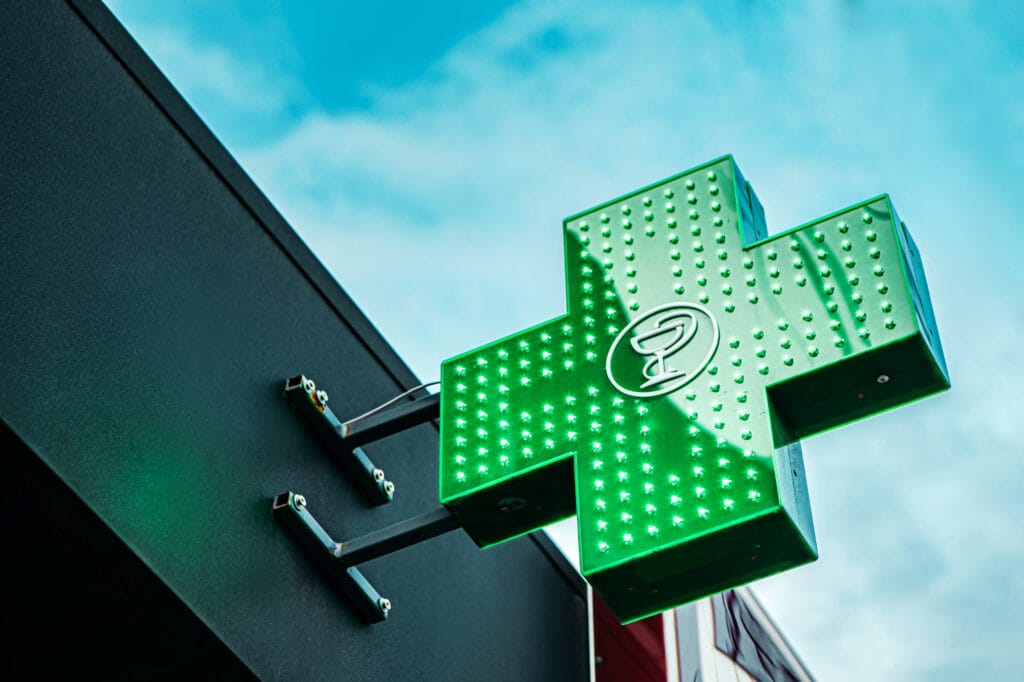
Greek pharmacies are excellent and widely available — recognized by the green cross sign. Pharmacists are well-trained, many speak English in tourist areas, and they can provide advice and over-the-counter treatment for a wide range of conditions including minor infections, stomach upsets, sunburn, insect bites, and ear infections.
Many medications available only by prescription in other countries can be obtained over-the-counter in Greece. Pharmacies keep a duty rota for out-of-hours access; a notice on the door lists the nearest open pharmacy at any hour.
Dental Emergencies
Private dental clinics are available in most cities and larger islands. Emergency treatment is available but not cheap without insurance. If you have existing dental work that might be an issue, have it checked before traveling.
Crime and Personal Safety
Greece is a low-crime country. The risks that do exist for tourists are almost entirely in the category of opportunistic petty theft rather than violent crime.
Pickpocketing and Petty Theft
The areas where petty theft is most common are predictable: crowded tourist areas, public transport (particularly the Athens Metro), and busy ferry terminals. The standard precautions apply:
- Use a money belt or neck pouch for passports and large amounts of cash in crowded areas
- Don’t leave bags unattended on the beach — even for a quick swim
- Keep valuables out of visible car hire compartments when driving
- Be aware of your surroundings at ATMs, particularly at night
- Avoid displaying expensive jewelry, cameras, and electronics unnecessarily in crowded markets
Scams
Common scams in tourist areas are generally low-level:
- Taxi overcharging: always confirm the meter is running or agree a fare before entering. From Athens airport, licensed taxis have fixed fares to the city centre.
- Friendly strangers directing you to specific bars or shops: the classic commission-based referral scam. Politely decline and find places yourself.
- Restaurant menus without prices: in some tourist areas, menus shown outside don’t list prices and the bill is inflated. Always check a menu with prices before sitting down.
- Unofficial ‘guides’ at major sites: unlicensed guides at the Acropolis and other major attractions may approach you. Official guides wear a badge; if in doubt, book in advance.
Night Safety
Greece’s nightlife is lively and generally safe. The main practical risks at night involve alcohol, unfamiliar terrain (Santorini’s caldera paths are seriously dangerous in the dark if you’re not paying attention), and moped riding. Stay with your group, keep your phone charged, and know your accommodation address.
Natural Hazards: Earthquakes, Wildfires, and Strong Winds
Earthquakes
Greece is seismically active — it’s one of the most earthquake-prone countries in Europe. Most earthquakes are minor and imperceptible. Significant earthquakes do occur, particularly around the Ionian Islands and Crete. Greek building standards in tourist areas account for seismic activity.
If you experience a strong earthquake: move away from windows and unsecured objects, take cover under a sturdy table or doorframe, and follow local authority instructions. After a significant earthquake, be cautious of aftershocks and listen to official channels for guidance on coastal areas (tsunami risk in major earthquakes near the sea).
Wildfires
Wildfires are a summer risk in Greece, particularly in forested areas of the Peloponnese, Attica, and some islands (Rhodes and Corfu have had significant fires in recent years). Wildfires in tourist accommodation areas are rare, but they can affect visibility, air quality, and road access in affected regions.
- Monitor local news if staying in or near forested areas in July and August
- Follow evacuation instructions from local authorities immediately if issued
- Do not start fires of any kind during dry conditions — it’s illegal and dangerous
- Check your travel insurance covers trip interruption due to natural disasters
The Meltemi Wind
The Meltemi is a strong, dry north wind that blows across the Aegean, particularly affecting the Cyclades (Mykonos, Paros, Naxos, Santorini) from July through September. It can reach force 6–8 on the Beaufort scale and disrupts ferry services for days at a time. Plan with flexibility if island hopping in the Aegean in high summer — factor in the possibility of a wind delay when booking onward connections.
Safety Tips for Solo Travelers
Greece is an excellent solo travel destination and is generally very welcoming to people traveling alone. The main considerations:
- Share your itinerary with someone at home — especially for island hopping or remote hiking
- Book accommodation in advance rather than arriving without a plan, particularly on smaller islands where options are limited
- Use the Tourist Police (171) for any issues — they’re specifically equipped to help visitors
- Solo women travelers generally report Greece as safe and welcoming; standard urban awareness (particularly in Athens at night) applies
- Trust your instincts in any situation that feels uncomfortable — Greek hospitality is genuine, but the same tourist-area caution that applies in any European city applies here
Safety Tips for Families with Children
- Children burn faster in Greek summer sun than adults — apply SPF 50+ sunscreen every two hours and use UV-protective swimwear
- Watch young children carefully at beach steps and rocky entries to the sea — surfaces can be slippery
- Keep children well-hydrated; they dehydrate faster than adults and don’t always communicate thirst
- Most Greek islands have limited or no children’s hospitals — know the location of the nearest public health center (kentro ygeias) from your accommodation
- Carry a basic first aid kit including children’s pain relief, antihistamine, blister patches, and antiseptic
- Pool safety: many smaller hotels and villas don’t have fenced pools. If traveling with young children, confirm pool fencing before booking
For a full family trip guide, see Crete with Kids and our Family Itinerary.
Explore More: Travel Tips for Greece
- Greece Travel Tips for First-Time Visitors
- Greece Packing List: What to Bring for Every Season
- Getting Around Greece: Ferries, Flights & Cars
- When Is the Best Time to Visit Greece?
- Greece Travel Insurance: Do You Need It & How to Choose
- Greece Travel Tips Overview
FAQ: Greece Health & Safety
Is Greece safe for tourists?
Yes. Greece is consistently ranked among the safest travel destinations in Europe. Violent crime against tourists is rare. The main risks are environmental — sun, heat, sea conditions — and the standard urban precautions against petty theft apply in crowded tourist areas. The vast majority of visitors have no safety incidents whatsoever.
What is the emergency number in Greece?
112 is the pan-European emergency number and works from any phone, including without a SIM card. For specific services: police (100), ambulance (166), fire service (199), coast guard (108), and tourist police (171). The tourist police are English-speaking and handle visitor-specific issues.
Do I need travel insurance for Greece?
Yes — it’s essential, not optional. Emergency medical treatment is available, but private hospitals (often faster and better-equipped, especially on islands) are expensive. Medical evacuation from a remote island can cost thousands of euros without insurance. A week’s travel insurance typically costs €30–60 and covers scenarios that could otherwise be financially ruinous.
Is the tap water safe to drink in Greece?
On the mainland and larger islands (Crete, Corfu, Rhodes), tap water is generally safe but varies in quality. On the Cyclades (Santorini, Mykonos, Paros, Naxos), tap water comes from desalination and is technically safe but often tastes poor — locals and most visitors drink bottled water. Always ask your accommodation for local advice on arrival.
Are there any dangerous animals in Greece?
Nothing that requires significant concern for most travelers. Sea urchins on rocky beaches are the most common hazard — wear water shoes. Jellyfish (particularly the Mauve stinger) appear seasonally and sting but are not dangerous to most people. Scorpions and the horned viper exist in rural areas but are rarely encountered. Stray dogs and cats are common; most are gentle, but avoid approaching unknown strays.
Is Greece safe for solo female travelers?
Greece is generally considered safe and welcoming for solo female travelers. Greek culture is sociable and it’s common for solo travelers to be drawn into conversations and group dynamics in a positive way. Standard awareness applies in urban areas at night, particularly in Athens. The tourist police (171) are available for any concerns. Most solo women who travel Greece report it as a comfortable and easy destination.
What should I do if I need a doctor in Greece?
For emergencies, call 166 (ambulance) or 112. For non-emergencies, your accommodation can recommend the nearest doctor or clinic. In smaller towns and on islands, the public health center (kentro ygeias) is the first stop. Greek pharmacists can handle many minor medical issues directly. Private clinics in tourist areas are faster and more English-friendly than public centers but charge accordingly.
How do wildfires affect tourist areas in Greece?
Wildfires are a summer risk in forested areas but rarely directly affect major tourist accommodation zones. The main impact for travelers is air quality (smoke can be significant in affected regions), road closures, and in extreme cases, evacuation from nearby areas. Monitor local news if staying near forested areas in July and August, follow local authority guidance immediately if an evacuation is ordered, and check that your travel insurance covers trip interruption due to natural disasters.
You’re Prepared — Now Plan the Trip
Greece health and safety is mostly about common sense and a few practical preparations. With the right insurance in place and a basic awareness of the sun, sea, and surroundings, you’re set.