Greece Travel Tips for First-Time Visitors: The Essential Guide
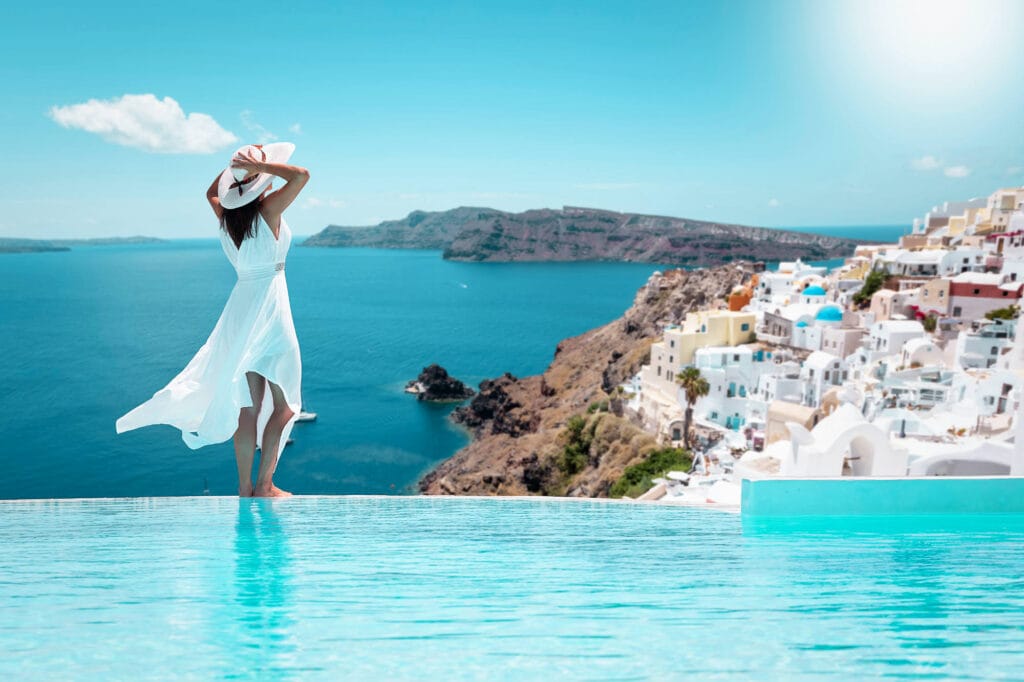
Greece has a way of making first-time visitors feel like they should have come sooner — and come back immediately. The food is as good as everyone says. The light is genuinely different. And the islands really do look like that.
But Greece also has its quirks. Ferry schedules that require flexibility. A summer heat that demands respect. Island logistics that catch travellers off-guard when they haven’t planned ahead. And a few cultural customs that are easy to get right if you know them in advance.
These Greece travel tips are everything we’d tell a friend planning their first trip: practical, direct, and based on what actually matters. Skip the generic advice — this is the version that saves you time, money, and the occasional unnecessary stress.
Quick Facts: Greece at a Glance
| Topic | Quick Answer |
| Currency | Euro (€). Cards accepted widely in cities; carry cash on smaller islands. |
| Language | Greek. English is widely spoken in tourist areas — you’ll manage fine. |
| Electricity | Type C & F plugs, 230V. Bring a European adapter if coming from the UK or US. |
| Tipping | Not mandatory but appreciated. Round up at restaurants; €1–2 per bag for hotel staff. |
| Water | Tap water is safe to drink in Athens and most cities. On some islands, use bottled. |
| Emergency Number | 112 (EU standard). Works for police, ambulance, fire. |
| Driving Side | Right-hand traffic. International driving licence accepted. |
| VAT Refund | Available for non-EU visitors on purchases over €50 in participating shops. |
Before You Go: Planning Essentials
Book Early — Especially in Summer
Greece is one of the most popular destinations in Europe, and the gap between early booking and last-minute scrambling is significant. Popular boutique hotels in Santorini and Mykonos sell out months in advance for July and August. Ferries between major islands fill up too — especially car spaces.
- Hotels: Book 3–4 months ahead for summer travel, 1–2 months for shoulder season
- Ferries: Book at least 2–3 weeks ahead for July–August island routes
- Popular restaurants in Oia and Mykonos Town: reserve a table, always
- Archaeological sites like the Acropolis: buy skip-the-line tickets online before you arrive
Visas & Entry
Greece is a Schengen Area country. EU/EEA citizens enter freely. Citizens of the US, Canada, Australia, and the UK can visit for up to 90 days without a visa. Always check current entry requirements on your government’s travel advisory page before departure.
Travel Insurance
Not optional. Greece is generally very safe, but medical costs without insurance can be significant, and ferry or flight disruptions during Meltemi season can strand you unexpectedly. Get coverage that includes medical evacuation and trip interruption.
Compare options in our Greece Travel Insurance Guide.
How Much Time Do You Need?
- Athens only: 2–3 days is comfortable
- Athens + one island: 5–7 days
- Athens + two islands: 8–10 days
- Islands + mainland: 2 weeks gives you real depth without rushing
The most common first-timer mistake is over-packing the itinerary. Greece rewards slowing down.
Getting to Greece
Flying In
Athens International Airport (Eleftherios Venizelos, ATH) is the main hub with direct connections from most major cities in Europe, North America, and the Middle East. Thessaloniki (SKG) serves northern Greece. Many islands have their own airports — Santorini (JTR), Mykonos (JMK), Crete/Heraklion (HER), Rhodes (RHO), and Corfu (CFU) all have direct international flights in summer.
- Flying directly into an island airport saves a ferry leg and can be worth it for shorter trips
- Budget airlines (Ryanair, easyJet, Wizz Air) connect many European cities to Greek airports
- Transatlantic flights almost always route through Athens — check connections carefully
Getting from Athens Airport into the City
- Metro Line 3: ~40 minutes, runs every 30 minutes, inexpensive — the cleanest option
- Express bus: runs 24/7, takes 60–90 minutes depending on traffic
- Taxi: fixed rate to/from the city centre — confirm the rate before getting in
Getting Around: Ferries, Flights & Roads
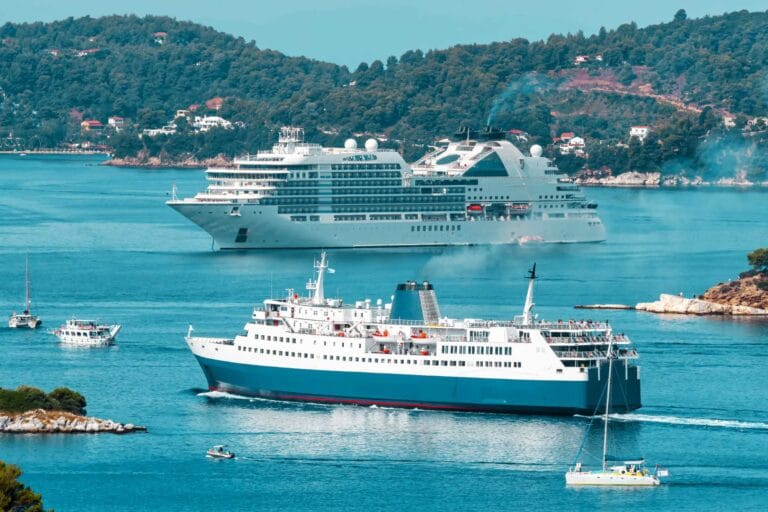
Ferries: The Main Way Between Islands
Ferries are how Greece works. The network is extensive — you can reach virtually every inhabited island. But the system requires some navigation.
- High-speed ferries (catamarans) are faster but more expensive and more affected by wind
- Conventional ferries are slower, cheaper, and run in more conditions
- Book online via Ferryhopper or the ferry company directly — seats sell out in peak season
- Piraeus (Athens) is the main port for Cyclades and Dodecanese routes
- Patras and Igoumenitsa serve Italy and the Ionian Islands
- Always build a buffer day before a flight home — ferries can be delayed
Full breakdown in our Greece Ferry Guide.
Internal Flights
Olympic Air and Sky Express connect Athens to most islands in 30–50 minutes. For a 7-day trip, one internal flight can save half a day of travel and is often surprisingly affordable if booked in advance. Particularly useful for reaching Crete or Rhodes from Athens.
Renting a Car
A rental car transforms your trip — especially in Crete, the Peloponnese, and larger islands like Rhodes and Corfu. You get access to villages, beaches, and viewpoints that tour buses never reach.
- Book in advance online — prices are significantly lower than at airport desks
- An automatic car costs more; most local rentals are manual
- Greek roads in rural areas can be narrow and unmarked — offline maps are essential
- Parking in Athens is frustrating; take the metro instead
- On Santorini and Mykonos, ATVs and scooters are popular — helmet laws apply
See our full guide: Best Car Rentals in Greece.
Getting Around Athens
The Athens Metro is efficient, affordable, and air-conditioned — a blessing in summer. Lines 1, 2, and 3 cover all the main tourist areas. Validate your ticket before boarding. Taxis are metered; ride-hailing apps (Beat, Uber) also operate in Athens.
Money, Costs & Tipping
Currency & Cards
Greece uses the Euro. Card payments are widely accepted in cities, resort areas, hotels, and most restaurants. However, smaller islands, family tavernas, local markets, and some ferry ports are cash-only or prefer cash. Always carry €50–100 in small notes when heading somewhere remote.
- ATMs are available on most islands, though sometimes just one per village
- Notify your bank before travelling to avoid card blocks
- Avoid airport and hotel currency exchange — rates are poor
What Does Greece Cost?
Greece covers a wide range. Budget travellers can manage on €60–80 per day. Mid-range travellers spending on good restaurants and comfortable hotels should budget €150–200 per day. The premium end — boutique caldera hotels in Santorini, yacht charters, fine dining — can reach €400–600+ per day per couple.
- Coffee at a local kafeneio: €1.50–2
- Souvlaki wrap from a street stall: €2.50–4
- Sit-down lunch at a taverna: €12–20 per person
- Dinner at a mid-range restaurant: €25–40 per person with wine
- Ferry ticket (Athens to Santorini, high-speed): €45–70
- Budget hotel room in shoulder season: €60–100
- Mid-range hotel: €120–200
- Boutique caldera hotel in Santorini: €300–700+
Tipping in Greece
Tipping is not obligatory in Greece but is genuinely appreciated. Service staff are often on modest wages.
- Restaurants: leave 10% or round up the bill — leave it on the table, not on the card machine
- Taxis: round up to the nearest euro or add €1–2
- Hotel housekeeping: €1–2 per day, left in the room
- Tour guides: €5–10 per person for a good tour
- Bar service: round up; tipping isn’t expected at bars the way it is at restaurants
Where to Stay: Choosing the Right Base
Athens
For first-timers, basing yourself in central Athens for 2–3 nights before heading to the islands is a smart structure. The Monastiraki and Koukaki neighbourhoods put you walking distance from the Acropolis, the food markets, and the metro to Piraeus port.
Santorini
Oia gets the most attention for its sunsets and views, but fills fastest and carries a premium. Fira (the island capital) has more restaurants and nightlife options. Imerovigli is quieter with caldera views. For beach access, Perivolos and Kamari are the better bases.
Mykonos
Mykonos Town (Chora) is the social and visual heart of the island — staying here puts you in the action. For quieter stays, the southern beach areas around Platis Gialos offer better access to the island’s famous beaches.
Crete
Crete is large enough that your base matters. Chania in the west is the most beautiful town. Heraklion in the centre gives easier access to Knossos and the eastern beaches. Elounda and Agios Nikolaos in the east are more resort-oriented.
Full hotel recommendations in our Best Hotels in Greece guide.
Food & Eating Out in Greece
The Basics of Greek Dining
Greece runs on a late meal schedule. Lunch is typically 2–4pm; dinner starts at 9pm and runs until midnight or later. Showing up at a restaurant at 7pm in summer puts you eating with the tourists, not the locals. Aim for 9–9:30pm for the real atmosphere.
- Bread is brought automatically and is usually charged (€0.50–1) — perfectly normal
- Water on the table is also charged unless you specify tap water (ask for ‘nero tis vrysi’)
- Greek salad does not come with lettuce — it’s tomatoes, cucumber, olives, onion, and a slab of feta
- Mezedes (small shared dishes) are the best way to eat — order several for the table
- Ouzo is traditionally served with small snacks (meze) — never drink it straight without food nearby
What to Order
A few things to specifically seek out on a first trip:
- Saganaki: fried cheese, often flamed at the table — order it everywhere
- Spanakopita: spinach and feta pastry, a staple that’s excellent fresh from a bakery
- Fresh grilled octopus: best at tavernas right on the water
- Lamb chops (paidakia): Greece does lamb better than almost anywhere
- Loukoumades: fried dough with honey and sesame — the Greek equivalent of doughnuts
- Freddo espresso: Greece’s contribution to coffee culture — a chilled, frothed espresso
Explore more in our Greek Food Guide: What to Eat & Where.
Choosing the Right Taverna
The best tavernas are rarely on the main square. Walk one or two streets back from the waterfront or the tourist strip — the menus get more interesting and the prices drop noticeably. Look for places where locals are actually eating, handwritten menus, and daily specials on a chalkboard.
Cultural Customs & What to Know
Religion & Dress Codes
Greece is a deeply Orthodox Christian country. When visiting churches, monasteries, or religious sites, dress conservatively — shoulders and knees covered for both men and women. At Meteora monasteries, this is strictly enforced. Shawls and cover-ups are often available at entrances, but it’s better to come prepared.
The Pace of Life
Greek time runs slower than northern European time, and this is a feature rather than a bug. Shops close for a midday break (roughly 2–5pm in summer). Service in restaurants takes time. Embrace it — ordering a coffee and sitting with it for an hour is normal and expected.
Gestures & Greetings
- A slight head tilt upward with a raised eyebrow means ‘no’ — easy to miss at first
- Waving with palm open and facing outward (the ‘moutza’) is considered rude — avoid it
- Greeks greet warmly — a handshake on first meeting, a cheek kiss with acquaintances
- ‘Yia sas’ (formal) or ‘Yia sou’ (informal) is hello; ‘Efharisto’ is thank you — any attempt at Greek is met with genuine appreciation
Photography
Photography is permitted at most outdoor sites. Inside churches and some museums, flash photography is banned — look for signs. Always ask before photographing local people up close; most will say yes happily, but it’s respectful to ask.
Sundays & Public Holidays
Many smaller shops and some museums close on Sundays and public holidays. National holidays (including Greek Easter, Ohi Day in October, and the Assumption in August) can affect opening hours significantly. Plan around them rather than being caught out.
Safety, Health & Practical Logistics
Is Greece Safe?
Greece is consistently among the safest countries in Europe for tourists. Violent crime targeting visitors is exceptionally rare. The main concerns are standard urban ones: pickpocketing in crowded areas (the Athens Metro, Monastiraki Square, and tourist markets) and occasional scams around tourist traps.
- Keep cards and phones in a front pocket or zipped bag in crowded city areas
- Be cautious of restaurants that aggressively tout on the street — quality is usually inversely proportional to the pressure
- Official taxis have meters — if a driver quotes a fixed price significantly above the norm, decline
Health & Medical
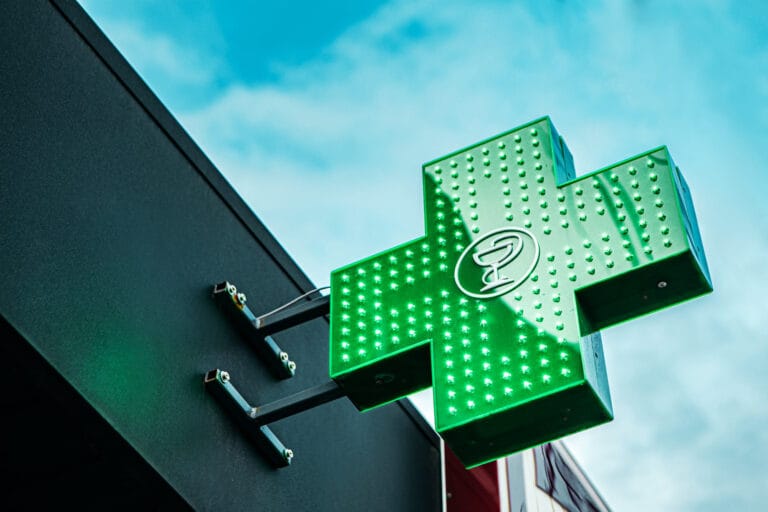
EU citizens can use the European Health Insurance Card (EHIC) for emergency medical treatment. Non-EU visitors should have comprehensive travel insurance. Pharmacies (farmakeio — marked with a green cross) are plentiful and pharmacists are well-trained; they can advise on minor ailments without a doctor’s appointment.
- Sunstroke is a real risk in July and August — hat, sunscreen, and midday shade are non-negotiable
- Stay hydrated: drink water constantly in summer heat
- Jellyfish season runs July–September on some coasts — not dangerous, but uncomfortable
Electricity & Connectivity
Greece uses Type C and F plugs at 230V/50Hz. Bring a European adapter if you’re coming from the UK, US, or Australia. Mobile coverage (4G/5G) is good on mainland Greece and major islands; smaller islands may have patchy service. Airport SIM cards are available at ATH and most island airports.
Toilets
A quirk that surprises almost every first-timer: in most of Greece, toilet paper goes in the bin beside the toilet, not in the bowl. The plumbing on many islands cannot handle paper. Signs in bathrooms will indicate this — please follow them.
Common First-Timer Mistakes to Avoid
- Trying to see too many islands in one trip.
Two or three islands in a week is relaxed and enjoyable. Five islands in six days means you spend most of your holiday on ferries or packing bags. Less is almost always more.
- Visiting the Acropolis at midday in August.
The sun reflecting off white marble with 3,000 other visitors and no shade is genuinely unpleasant. Go at opening time (8am) or in the last 90 minutes before closing.
- Not booking the Oia sunset in advance.
You cannot book the sunset itself, but restaurants with caldera views for dinner fill up by noon. If sunset dining in Oia is on your list, call ahead or book online that morning.
- Underestimating ferry travel time.
Athens to Santorini on a fast ferry is 5 hours. Athens to Crete is 7–9 hours on a standard overnight ferry. Build travel time into your schedule realistically.
- Bringing only a credit card to a smaller island.
Some villages on quieter islands have one ATM. If it’s empty or out of service, you’re stuck. Always carry sufficient cash before leaving the main town.
- Eating only at waterfront restaurants.
The taverna with the best view is rarely the one with the best food. Walk one street back, look for Greeks eating, and you’ll eat better for half the price.
- Forgetting that Greek Easter moves the schedule.
Greek Orthodox Easter (Pascha) falls on a different date each year and is the biggest public holiday in Greece. If your trip overlaps with Easter weekend, expect some businesses to close and transport to be very busy. Plan around it — or embrace it as a cultural experience.
Explore More Travel Tips
- When Is the Best Time to Visit Greece?
- Getting Around Greece: Ferries, Flights & Cars
- Greek Food Guide: What to Eat & Where
- Greece Packing List: What to Bring for Every Season
- Greece Health & Safety: What You Need to Know
- How to Plan a Trip to Greece: Step-by-Step Guide
Start Planning Your Greece Trip
Ready to turn these Greece travel tips into an actual booking? Here’s where to start:
FAQ: Greece Travel Tips for First-Timers
Do I need to speak Greek to travel in Greece?
No. English is widely spoken in tourist areas, hotels, and restaurants across the country. In very rural villages or on small islands you may encounter less English, but Greeks are patient and helpful. Learning a few basic words — ‘efharisto’ (thank you), ‘parakalo’ (please/you’re welcome), ‘yia sas’ (hello) — goes a long way and will earn genuine warmth.
Is Greece expensive for tourists?
Greece sits in the mid-range for European travel. It’s more affordable than Scandinavia or Switzerland, roughly comparable to Italy and Spain, and more expensive than Eastern Europe. Food and transport are relatively affordable; accommodation on premium islands like Santorini and Mykonos can be very expensive. Where you stay drives your budget more than anything else.
How many islands should I visit on a first trip to Greece?
Two islands plus Athens is the classic structure for a 7–10 day first trip. It gives you enough variety without turning your holiday into a logistics exercise. If you have two weeks, three islands is very comfortable. More than that, and travel time starts eating into relaxation time.
Is it safe to drink the tap water in Greece?
In Athens and most mainland cities, yes — tap water is safe. On many of the islands, tap water is technically safe but heavily chlorinated or mineral-heavy, and locals often drink bottled water. On Santorini and some other dry Cycladic islands, water is imported by tanker and bottled water is standard. Check locally when you arrive.
What should I not do in Greece?
A few things to avoid: don’t visit the Acropolis at midday in peak summer heat; don’t stuff toilet paper down island toilets; don’t eat at restaurants where staff stand outside aggressively inviting you in; don’t underestimate ferry travel time; and don’t try to cram five islands into a week-long trip. Greece rewards patience more than any other travel approach.
Do I need cash in Greece?
Yes, always carry some. Card payments are widely accepted in cities and resort hotels, but smaller islands, rural tavernas, local markets, and some ferry companies are cash-only or strongly prefer it. Having €50–100 in cash at all times is good practice throughout your trip.
When is the best time for a first visit to Greece?
May or September. Both offer warm weather, open services, and far fewer crowds than July–August. Prices are lower than peak season, restaurant availability is much easier, and you’ll see the islands at their most relaxed. For detailed advice by travel style, see our full guide on the best time to visit Greece [LINK: /travel-tips/best-time-to-visit/].
What is the Meltemi and should I worry about it?
The Meltemi is a strong, dry northern wind that blows across the Aegean in July and August. It makes temperatures more bearable but can delay or cancel ferries, especially to and from the Cyclades. If you’re island hopping in peak summer, build flexibility into your schedule — and never book a flight home the day after a ferry if you can avoid it.