Crete Travel Guide: The Ultimate Island Adventure
Crete is not just Greece’s largest island — it’s a world unto itself. Here you’ll find Europe’s oldest civilisation, gorges that cut through limestone like something out of a myth, beaches that run the full spectrum from organised and family-perfect to wild and completely deserted. You can eat extraordinarily well in a mountain village at lunch and watch the sun melt into the Aegean from a clifftop taverna by evening.
Most visitors arrive with a week on their hands and leave already planning to come back. Crete rewards every kind of traveller: couples looking for romance, families who need practicality and comfort, hikers who want to earn their swim, and food lovers who want to understand what Greek cooking actually tastes like at its source.
This guide covers everything — the best time to visit, how to get around, where to stay across different regions, the beaches worth the drive, the ancient sites that still feel alive, and the dishes you shouldn’t leave without trying.
Note: This page contains affiliate links. We may earn a small commission at no extra cost to you when you book through our links. This helps us keep creating free travel guides.
Why Crete Deserves More Than a Week
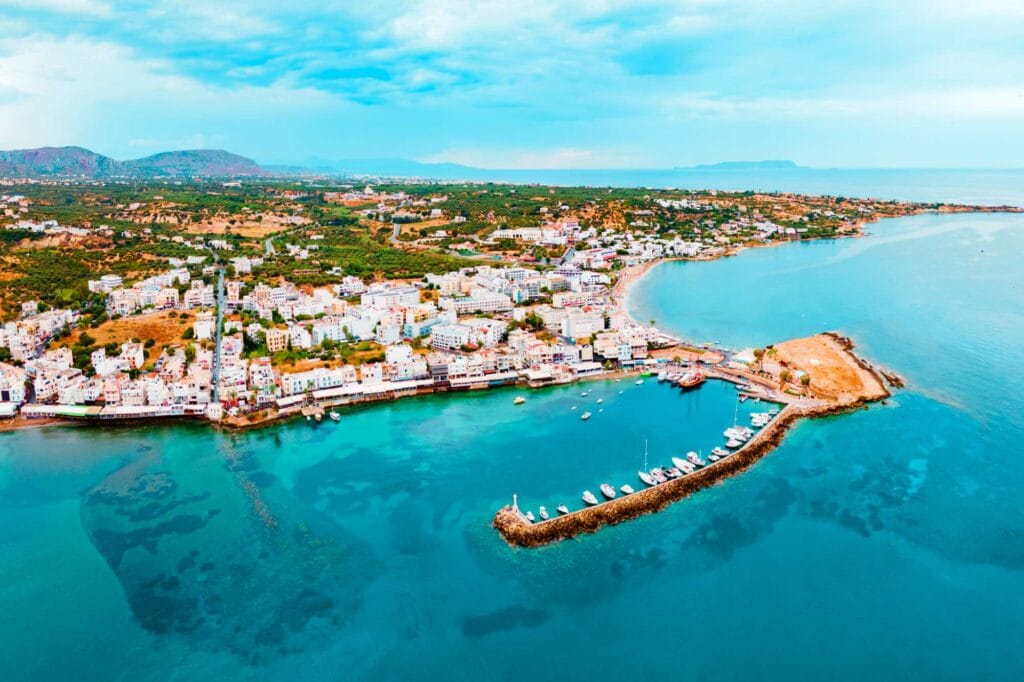
Most Greek islands can be covered thoroughly in three or four days. Crete is different. The island stretches roughly 260 kilometres from east to west, and travelling between regions isn’t quick. The north coast has the airports, the main cities, and most of the tourist infrastructure. The south coast has dramatic gorges, quieter beaches, and a wilder atmosphere. The interior has White Mountains, traditional villages, and olive groves that have been producing oil for three thousand years.
The result is an island where you can genuinely feel like you’re in a different country depending on where you are. Heraklion and Chania feel like proper Mediterranean cities. The remote beaches near Loutro feel untouched. The Lasithi Plateau in the east feels like the countryside of another century.
When to Visit Crete
May–June: The best overall window. Temperatures are warm (24–28°C), the sea is swimmable, wildflowers are still out in the hills, and the island hasn’t hit peak capacity yet. Prices are reasonable and you won’t be competing for a sunbed.
July–August: Hot, busy, and expensive — but also electric. The beaches are at their most vivid, the nightlife in Chania and Heraklion is alive, and the energy of peak summer has its own appeal. Book everything well in advance if you’re travelling in August.
September–October: Arguably the smartest choice. The sea is at its warmest after a full summer of sun, crowds have thinned, and prices drop noticeably. October especially has long warm days with a pleasant breeze.
November–April: Off-season Crete is quiet and green after the rains. Some coastal villages become almost ghostly. Good for hikers and those who want the island to themselves, but expect limited services and many tavernas closed.
How to Get to Crete
Crete has two international airports: Heraklion (HER) in the centre-north and Chania (CHQ) in the west. Heraklion handles the majority of flights and is the better gateway if you’re planning to cover the whole island. Chania is more convenient if you’re focusing on western Crete.
Direct flights operate from most major European cities throughout the summer. From Athens, you can fly (45 minutes) or take an overnight ferry (8–9 hours) which is slower but a memorable experience — you board in Piraeus in the evening and arrive in Heraklion in the morning.
Getting Around the Island
A rental car is the single most important booking you can make for Crete. The island is too large and too spread out to rely on buses if you want to see more than one or two areas. Public buses (KTEL) connect the main towns along the north coast, but the south coast and interior are far less served.
With a car, you can reach beaches that feel completely private, drive up into mountain villages for lunch, and move between regions at your own pace. Crete has excellent roads along the north coast and a mix of winding mountain roads in the interior — both worth experiencing.
Crete’s Four Regions: Which Part is Right for You?
Heraklion (Central North)
The island’s capital and largest city. Home to the Palace of Knossos, the Archaeological Museum, and excellent urban tavernas. Less scenic than Chania but more authentic and central for island travel.
Chania (West)
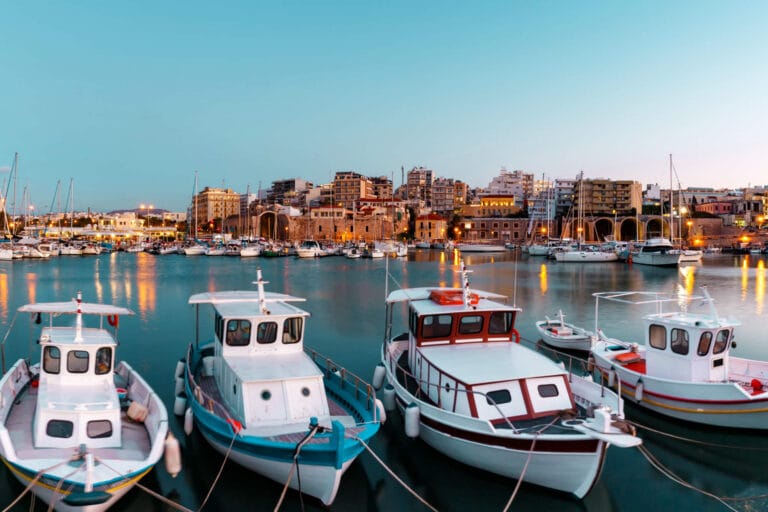
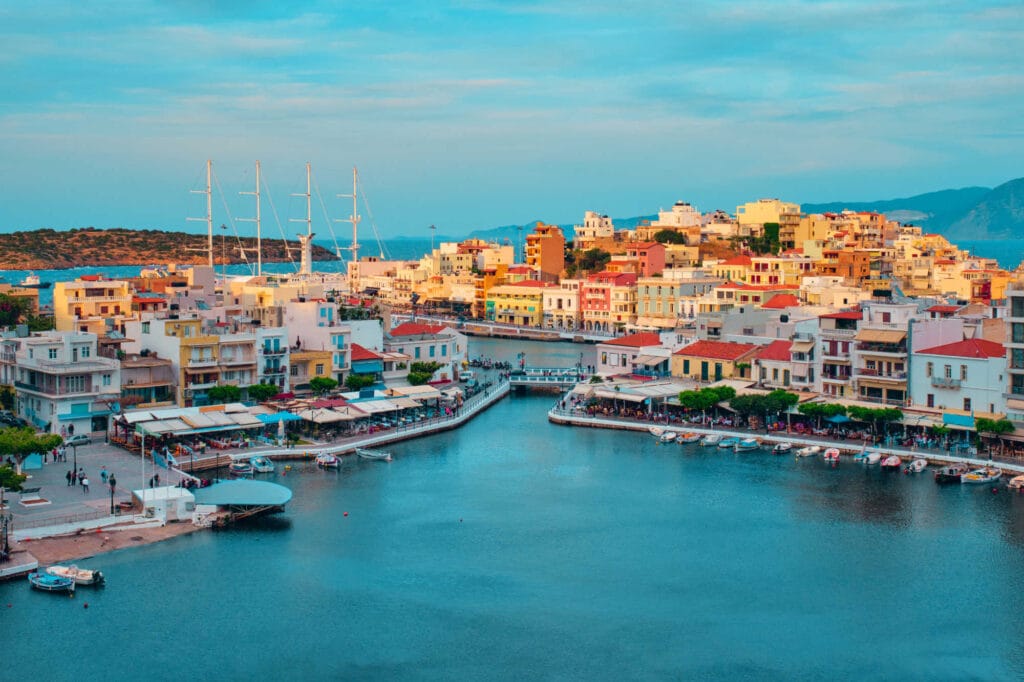
Crete’s most photogenic city, with a Venetian harbour, a beautiful Old Town, and access to some of the island’s best beaches including Balos and Elafonisi. Very popular with European tourists but earns every bit of that attention.
Rethymno (Central)
Often overlooked in favour of its flashier neighbours, Rethymno has a charming Old Town, a long sandy beach right in town, and a relaxed pace. A good base for central Crete.
Lasithi (East)
The quietest and least-visited region, which is exactly its appeal. Agios Nikolaos, the palm-tree beach at Vai, the ancient site of Gortyn, and the Spinalonga island fortress are all here. Elounda nearby is home to some of the island’s most luxurious hotels.
Best Beaches in Crete
Crete has more good beaches than most people can see in two weeks. The full guide is here: Best Beaches in Crete. A quick summary:
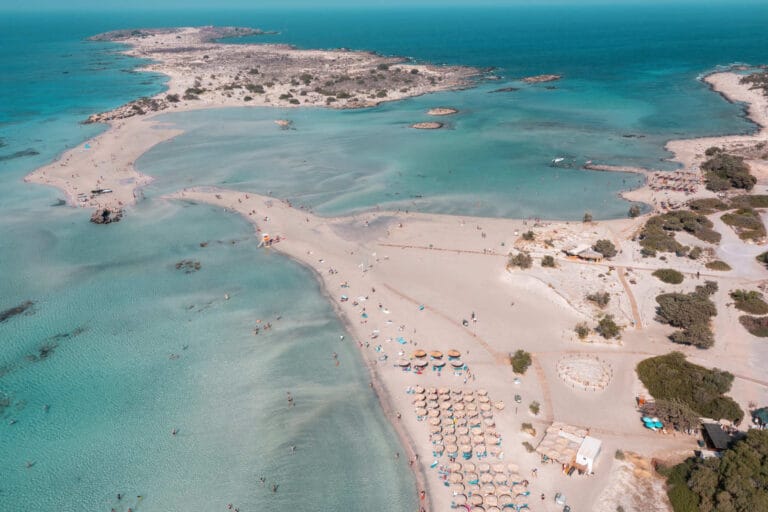
- Elafonisi: Shallow pink-tinged sand in the southwest. Spectacular but crowded in August. Go early.
- Balos Lagoon: Reached by boat or a rough road + walk. One of the most photographed spots in Greece for good reason.
- Falasarna: Long, wide, and west-facing. The sunsets here are exceptional.
- Preveli: A river meets the sea in a palmtree-lined gorge. One of the most unusual beaches in Greece.
- Vai: Europe’s largest natural palm forest meets the sea. Unique and worth the drive east.
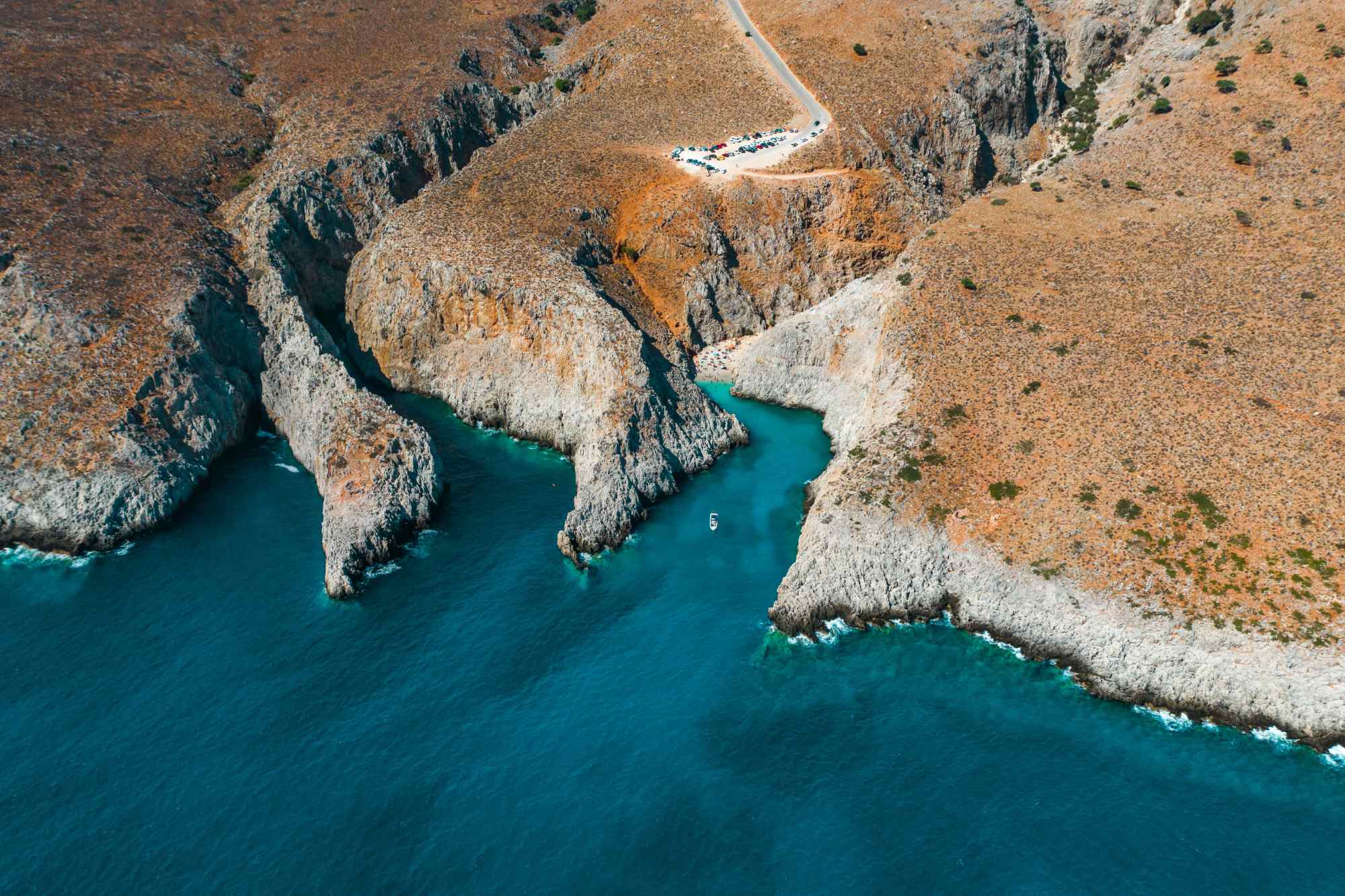
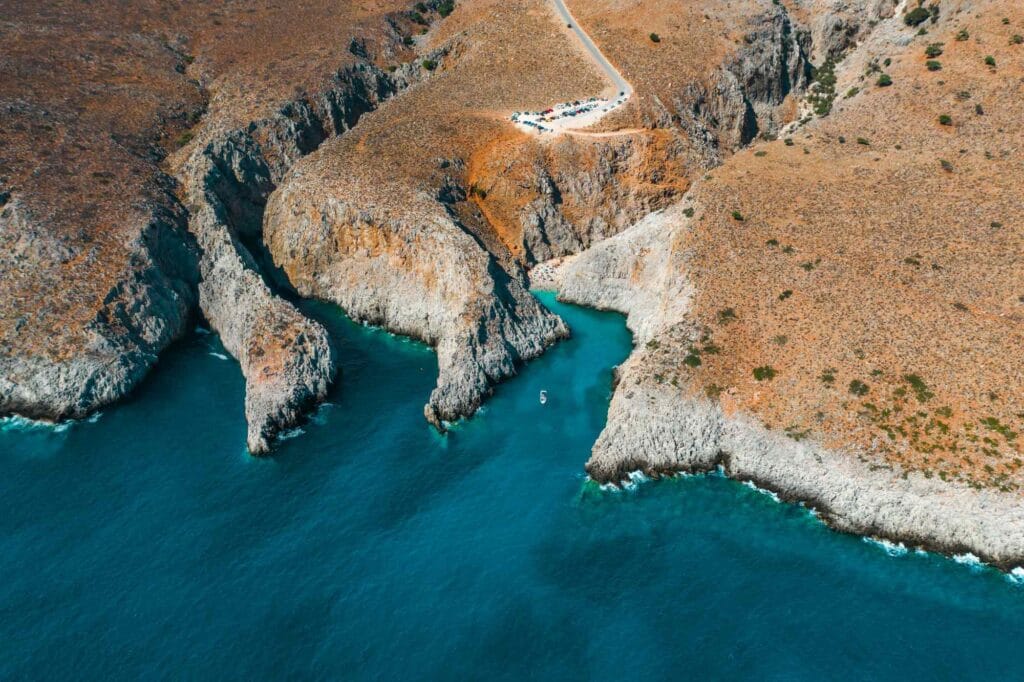
- Seitan Limania: A dramatic hidden cove near Akrotiri. The access track is steep — don’t attempt it without good shoes.
Ancient Sites & History
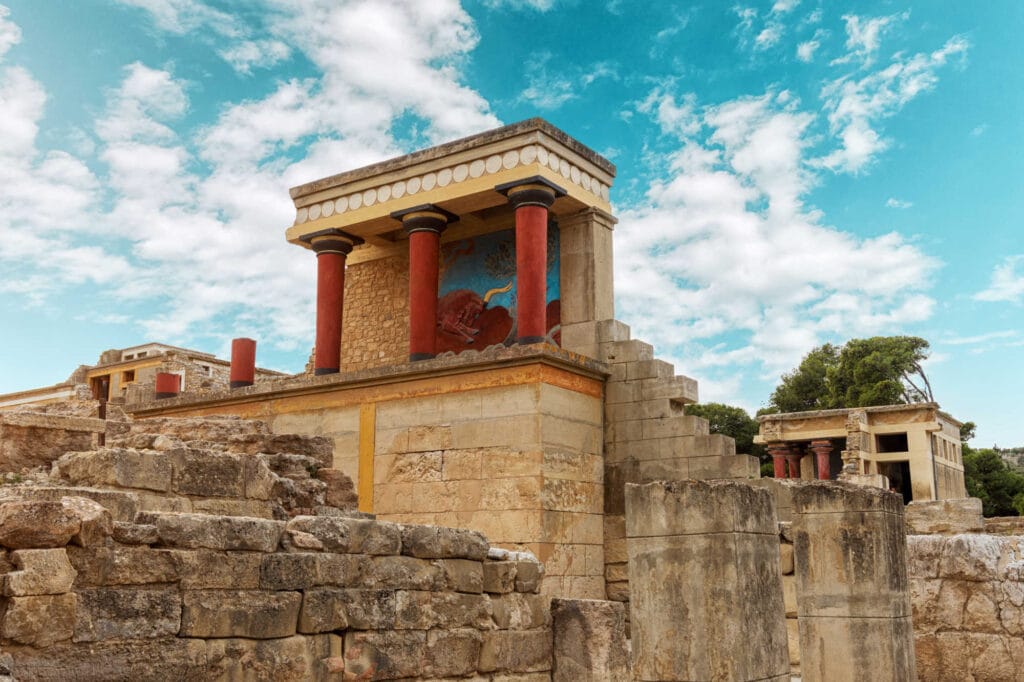
Crete is where European civilisation began. The Minoan culture that flourished here between 2700–1450 BC was sophisticated, wealthy, and still only partially understood. The Palace of Knossos outside Heraklion is the centrepiece — partially reconstructed and controversial among archaeologists, but viscerally impressive. Arrive early to beat the groups.
The Heraklion Archaeological Museum holds the finest collection of Minoan artefacts in the world, including the famous Phaistos Disc. The palace site of Phaistos in the south is less visited than Knossos and has arguably a better atmosphere. The ruins of Gortyna nearby have early Christian basilicas layered over ancient Greco-Roman ruins — a compelling jumble of civilisations.

Cretan Food: What to Eat
The Cretan diet is one of the original inspirations for what we now call the Mediterranean diet. Olive oil is everything here — poured generously over almost every dish. Dakos (a twice-baked barley rusk topped with grated tomato, olive oil, and fresh cheese) is the island’s signature snack and one of the best things you can eat for under €5.
- Lamb with stamnagathi: Wild greens cooked with local lamb — deeply savoury and worth seeking out in mountain villages.
- Kalitsounia: Small pastries filled with fresh myzithra cheese. Sweet or savoury versions exist.
- Sfakia pies (sfakiani pita): Flat pan-fried pies filled with myzithra and drizzled with honey. Get them in the village of Sfakia or anywhere nearby.
- Cretan wine: Kotsifali and Mandilari are the main local red grape varieties. Try the wines from the Heraklion and Peza regions.
Where to Stay in Crete
The island covers every budget and style. For the full breakdown, see our guide to the Best Hotels in Crete.
- Luxury: Elounda Peninsula and the resorts around Elounda are among the finest in all of Greece. Expect private pools and butler service.
- Boutique & character: Chania’s Old Town has beautiful boutique hotels inside renovated Venetian mansions. Spice Boutique Hotel and Ammos are consistently praised.
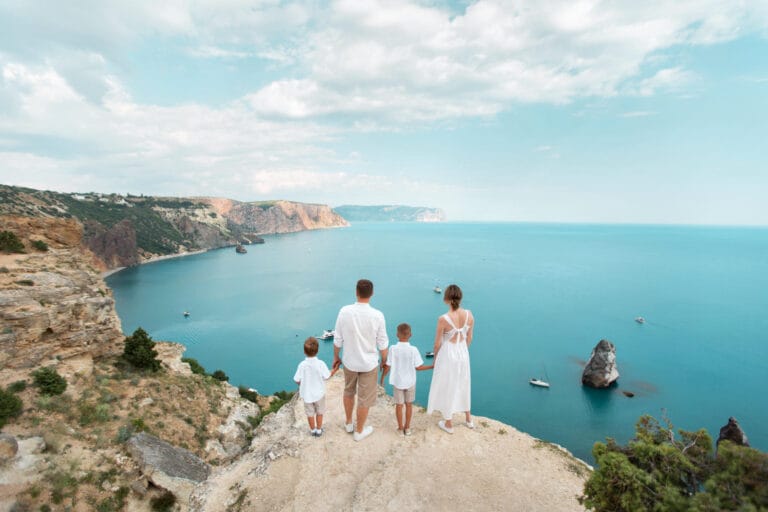
- Family-friendly: The Rethymno coast and areas around Chersonissos have large resort-style hotels with everything families need. See our full family guide: Crete with Kids [LINK: /islands/crete/family-guide/].
Explore More About Crete
- Crete with Kids: A Family-Friendly Guide
- Best Beaches in Crete: From Elounda to Falasarna
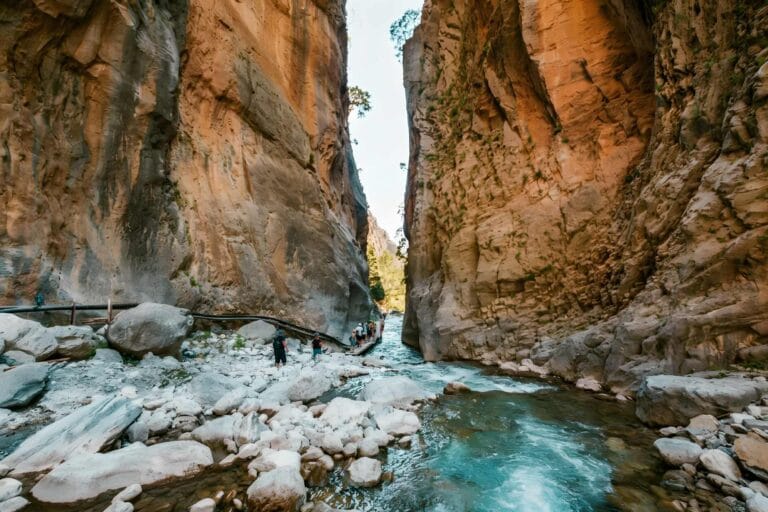
- Samaria Gorge & Best Hikes in Crete
- 7 Days in Crete: A Complete Island Itinerary
- Island Hopping in Greece: The Ultimate Guide
FAQ
How many days do you need in Crete?
A minimum of 7 days lets you explore two or three regions properly. Ten days is ideal if you want a relaxed pace and to cover more ground. Many travellers wish they’d booked longer.
What’s the best part of Crete to stay in?
Chania is the most beautiful city and a great base for western Crete. Heraklion is central and good for those who want access to both east and west. Elounda in the east suits those after luxury and quiet. Your choice depends on your priorities — there’s no wrong answer.
Is Crete good for families?
Excellent. The island has calm, shallow beaches that are perfect for children, a large supply of family-friendly resorts, and enough activity (water parks, boat trips, historical sites) to keep everyone engaged. See our dedicated family guide for specifics: Crete with Kids [LINK: /islands/crete/family-guide/].
Do I need to rent a car in Crete?
Almost certainly yes, unless you’re staying in one area for your entire trip. Buses cover the north coast corridor but the rest of the island is difficult without your own wheels.
Is Crete expensive?
Compared to Santorini or Mykonos, Crete is significantly more affordable. Mid-range taverna meals, local accommodation, and day trips are all good value. Luxury is available but you have to seek it out.
What’s the difference between Heraklion and Chania?
Heraklion is the capital — larger, grittier, more functional. It has the best museum, the closest beach to an airport, and a lively local food scene. Chania is more picturesque and romantic. Most tourists prefer Chania for a base; those who want to feel like a local often prefer Heraklion.
When is Crete too hot to visit?
July and August can be very hot inland, reaching 35°C+ in the afternoons. The coast stays more comfortable due to the Meltemi wind. If heat is a concern, May, June, September, and October are far more pleasant.
Can you do a day trip to Crete from Athens?
Technically yes — flights are only 45 minutes — but a day trip doesn’t do justice to the island. It’s better treated as a destination that deserves at least a week.