Athens Travel Guide: Everything You Need to Know
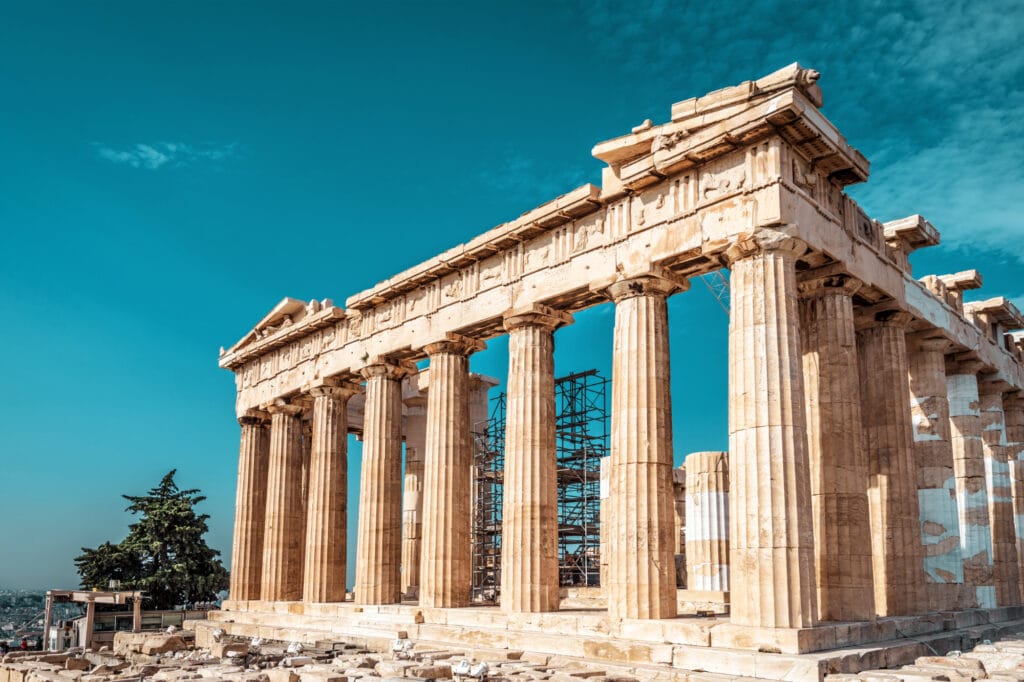
Athens hits differently from every other European capital. It’s ancient and chaotic and deeply alive all at once — a city where you can have your morning coffee in the shadow of a 2,500-year-old temple, then spend the evening eating grilled octopus at a rooftop bar with the Acropolis glowing behind you. This Athens travel guide gives you everything you need to plan a trip that actually feels like Athens: not a checklist sprint through landmarks, but a real experience of one of the world’s oldest cities.
Whether you have two days or two weeks, whether you’re here for ancient history or for the food scene that’s quietly become one of the best in Europe — Athens delivers. We’ve pulled together everything in one place: the must-see sights, the neighborhoods worth exploring, the restaurants locals actually go to, and the practical tips that make the difference between a smooth trip and an avoidable headache.
Let this be your starting point. Use the guide as a whole, or jump straight to the section you need — everything is linked.
1. Quick Facts About Athens
Before you dive into the details, here’s the essentials at a glance:
- Country: Greece | Region: Attica
- Language: Greek (English widely spoken in tourist areas)
- Currency: Euro (€)
- Time Zone: EET / EEST (UTC+2 / UTC+3 in summer)
- Best For: Ancient history, food, culture, island day trips, first-time Greece visitors
- Airport: Athens International Airport – Eleftherios Venizelos (ATH)
- Main Hub For: Flights, ferries to all Greek islands
2. When to Visit Athens
Athens works year-round, but the timing matters — especially if you want to avoid the summer crowds at the Acropolis. Here’s how the seasons break down.
Spring (April–May) — Best Overall
Mild weather (18–25°C), blooming hillsides, far fewer tourists than summer, and prices that haven’t peaked yet. This is when Athens is at its most comfortable. You can walk the Acropolis in the morning without sweating through your clothes and still have a pleasant evening out in Monastiraki.
Summer (June–August) — Peak Season
Hot, crowded, and expensive — but also the most energetic. Temperatures regularly hit 35–40°C in July and August. If you’re visiting in summer, plan all outdoor sightseeing for early morning (doors at the Acropolis open at 8am) and retreat to shaded spots or air-conditioned museums during midday. The upside: evenings are alive, rooftop bars are packed, and the ferry connections to the islands run at full capacity.
Autumn (September–October) — Runner-Up Favourite
Still warm, noticeably quieter, and the light in September has that golden quality that makes every photo look effortless. A strong choice if spring dates don’t work for you.
Winter (November–March) — Low Season
Cooler (10–15°C), occasionally rainy, and genuinely quiet at the major sites. Hotels are significantly cheaper. The Acropolis Museum and National Archaeological Museum are brilliant in any season — and in winter, you might have whole gallery rooms to yourself.
3. How to Get to Athens
By Plane
Athens International Airport (ATH) is one of the best-connected airports in Southern Europe. Direct flights arrive from dozens of European cities year-round, with even more routes added in summer. From the airport to the city centre, you have three solid options:
- Metro Line 3 (Blue Line): ~40 minutes to Syntagma Square. Clean, reliable, runs frequently. Buy your ticket at the machine in the arrivals hall.
- Express Bus X95: Slower but cheaper — connects the airport to Syntagma via the coastal highway. Good if you’re not in a rush.
- Taxi/rideshare: Fixed-rate taxi from the airport to the city centre is around €38–45 depending on the time of day. Book a licensed cab at the official taxi desk in arrivals.
By Ferry
Piraeus, Athens’ main port (about 10km from the city centre), is the busiest passenger port in Europe. Ferries run daily to virtually every Greek island — Santorini, Mykonos, Crete, Rhodes, and beyond. If you’re combining Athens with an island trip, the ferry connections are excellent. For a complete breakdown of routes and booking tips, see our Greece Ferry Guide.
4. Getting Around the City
Athens is more walkable than it looks on a map. Most of the historic sites — the Acropolis, Plaka, Monastiraki, the Ancient Agora — are within comfortable walking distance of each other. For longer distances, the options are straightforward.
- Metro: Three lines cover the main tourist areas well. Line 1 (Green) runs north-south; Line 2 (Red) passes through Syntagma and Acropolis station; Line 3 (Blue) connects the airport to the city. A single ticket costs €1.40; a 24-hour tourist ticket is €4.10.
- Walking: Genuinely the best way to explore central Athens. The pedestrian walkway that runs around the base of the Acropolis Hill connects Monastiraki, Thissio, Koukaki, and Makrygianni — a pleasant 20-minute loop.
- Taxis & rideshares: Reasonably priced. The local app Uber operates alongside Beat (previously Taxibeat), which tends to be more reliable in Athens.
- Car rental: Not recommended for central Athens — traffic is dense and parking is a challenge. However, renting a car for day trips to Delphi, Meteora, or the Peloponnese makes a lot of sense. See our car rental guide for Greece for tips on booking.
5. Athens Neighborhoods: Where to Base Yourself
Athens is a city of distinct neighborhoods, each with a different energy. Choosing where to stay shapes the entire experience.
Monastiraki & Psyrri — Best for First-Timers
The heart of tourist Athens. Monastiraki Square is surrounded by street food vendors, flea markets, and open-air cafes with direct Acropolis views. Psyrri, right next to it, is the nightlife district — a maze of graffiti-covered streets and excellent tavernas. Noisy at night, incredibly convenient for sightseeing.
Plaka — Most Charming, Most Touristy
The old town of Athens: narrow stone lanes, bougainvillea draped over whitewashed walls, neoclassical buildings, and a restaurant on every corner. Beautiful, walkable, and yes — firmly in tourist territory. Great for a splurge on a boutique hotel with rooftop views.
Koukaki — Best Local Neighbourhood Base
Just south of the Acropolis. Quieter, more residential, and increasingly popular with travellers who want something more authentic. Great coffee shops, neighbourhood restaurants, and a 10-minute walk to the Acropolis Museum. Prices are a touch lower here than in Plaka.
Syntagma & Kolonaki — Central & Upscale
Syntagma Square is the central transit hub of Athens — Parliament, the National Garden, and the main Metro interchange are all here. Kolonaki, uphill from Syntagma, is the city’s upscale shopping and dining district. Boutique hotels, designer stores, and some of the best cocktail bars in Athens.
Thissio & Kerameikos — Relaxed & Artsy
The pedestrian promenade connecting Thissio to Monastiraki is one of the great evening walks in Athens. Thissio itself is full of outdoor cafes with Acropolis views. Kerameikos, next door, is grittier and cooler — galleries, bars, and the ancient cemetery that gives the neighbourhood its name.
For hotel recommendations and where to stay in Athens, see our Athens hotel guide.
6. Top Things to Do in Athens
The Acropolis — Non-Negotiable
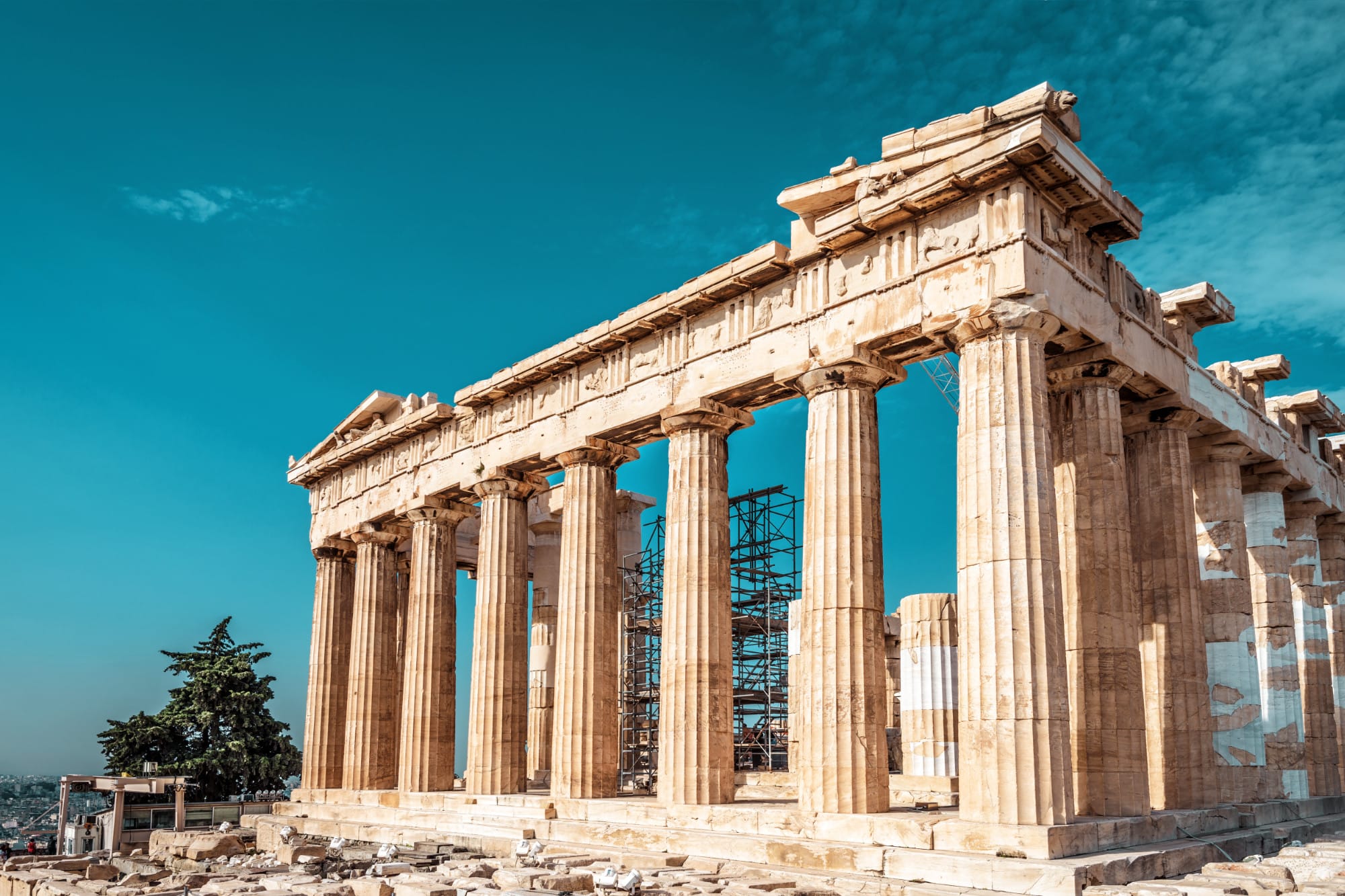
There’s no point trying to talk someone out of the Acropolis. Go — just go smart. Arrive right when it opens at 8am, before the tour groups arrive. Tickets can be bought online in advance (recommended in summer). The combined ticket covers the Acropolis plus seven other ancient sites including the Ancient Agora, the Theatre of Dionysus, and the Roman Agora — worth every cent.
Acropolis Museum
More impressive than most people expect. The museum sits right at the base of the Acropolis Hill and houses the original sculptures and artifacts from the site — including the Parthenon frieze, displayed in chronological order with space left for the Elgin Marbles (currently in London, the subject of ongoing repatriation discussions). Budget 2–3 hours. The glass floors over archaeological excavations on the ground level are worth seeing alone.
The Ancient Agora
The marketplace and civic heart of ancient Athens — where Socrates argued philosophy and citizens voted on laws. Quieter and greener than the Acropolis, with the beautifully preserved Temple of Hephaestus at its centre. Often skipped by first-timers, which is a mistake.
National Archaeological Museum
The best collection of ancient Greek artifacts in the world, full stop. The gold death masks from Mycenae, the bronze Artemision Jockey, the frescoes from the island of Thera — all here. Allow a full morning. It’s a 20-minute metro ride from central Athens but absolutely worth the detour.
Monastiraki Flea Market
Go on a Sunday, when the full market spills out from the permanent shops onto the surrounding streets. Vintage clothing, antiques, ceramics, old records, and plenty of genuine junk to sift through. A good hour before or after breakfast nearby.
Lycabettus Hill at Sunset
The highest point in Athens, with a 360° view of the entire city, the coastline, and the Saronic Gulf. Take the funicular from Kolonaki, or walk up (about 20–25 minutes). Time it for 30 minutes before sunset.
For a day-by-day breakdown of how to fit everything in, see our Athens 2–3 Day Itinerary.
7. Athens Food Guide: What to Eat & Where
Athens is a serious food city now — not just gyros and tourist souvlaki (though the gyros here are genuinely excellent). The creative dining scene has exploded in the past decade, with a new generation of chefs reinterpreting traditional Greek ingredients with serious technique.
What to Eat
- Souvlaki: Grilled skewers of pork or chicken wrapped in pita with tomato, onion, and tzatziki. The version from a good souvlaki joint near Monastiraki is one of the great cheap eats of Europe — around €2.50–3.50.
- Spanakopita: Spinach and feta pie in crispy phyllo. Available in bakeries throughout the city, perfect for a quick breakfast or snack.
- Moussaka: The baked classic — layers of minced meat, aubergine, and béchamel. Best in a proper taverna, not a tourist-menu restaurant.
- Loukoumades: Greek honey donuts, warm and crispy, drizzled with honey and dusted with cinnamon. The queue outside the old loukoumades shop near the Monastiraki Metro is always a good sign.
- Fresh seafood: Athens is close to the coast — the harbour at Piraeus and the seafront suburb of Glyfada both have excellent fish restaurants worth the short metro or taxi ride.
Where to Eat
For a full breakdown of restaurant recommendations by neighbourhood and price point, see our Best Restaurants in Athens guide. Here’s the quick version:
- Tzitzikas kai Mermigas (Monastiraki): Modern Greek mezedes in a cosy space. Popular with locals and visitors alike. Book ahead in the evening.
- Diporto Agoras (near the Central Market): A hidden basement taverna that’s been open since the 1950s. No menu — the cook tells you what’s on. Wine from the barrel, rough tables, and food that’s as authentic as Athens gets.
- Lukumades (Monastiraki): The loukoumades institution mentioned above. Queue, order, eat immediately.
- Psyrri neighbourhood: Wander the back streets for tavernas that open late and serve good grilled meats and wine at honest prices.
8. Day Trips from Athens
Athens makes an excellent base for exploring beyond the city. Some of Greece’s most dramatic landscapes and ancient sites are within a few hours.
- Cape Sounion (1.5 hrs): The Temple of Poseidon perched above the sea at the tip of the Attica peninsula. Lord Byron carved his name into a column here. Go in the late afternoon for sunset.
- Delphi (2.5 hrs): The sacred oracle site of the ancient world, set dramatically on the slopes of Mount Parnassus. The museum here is as impressive as the ruins. Do it as a guided day trip or self-drive.
- Meteora (3.5 hrs): Monasteries perched on top of vertical rock pillars — one of the most surreal landscapes in Europe. Best done as an overnight trip rather than a day return.
- Nafplio & the Peloponnese (1.5–2 hrs): The first capital of modern Greece. Cobbled streets, a Venetian fortress, excellent restaurants. Combine with nearby Mycenae and Epidaurus for a full day.
- Hydra (2 hrs by ferry from Piraeus): A car-free island with donkeys, elegant architecture, and brilliant swimming. A popular escape from Athens for a reason.
For more options and how to plan each, see our full guide to Day Trips from Athens.
9. Practical Tips for Visiting Athens
- Book the Acropolis online: In summer, timed entry tickets sell out. Book at least a few days ahead. The 8am slot is always the best — cooler and less crowded.
- Wear proper shoes: The Acropolis pathways are marble — smooth, slippery, and uneven. Good walking shoes or sneakers with grip. Leave the sandals for the evening.
- Carry cash: Most restaurants and shops accept cards, but the flea market, smaller bakeries, and some tavernas are cash-only. ATMs are widely available.
- Drink tap water: Tap water in Athens is safe and good quality. Skip the plastic bottles.
- Siesta hours are real: Many smaller shops close between roughly 2–5pm, especially outside the main tourist areas. Plan accordingly.
- Learn a few words of Greek: Efharisto (thank you), kalimera (good morning), parakalo (please/you’re welcome). Greeks appreciate the effort every single time.
- Pickpocket awareness: The Metro (especially Line 1 and busy stations like Monastiraki) and crowded market areas require normal big-city awareness. Keep your bag in front of you.
10. Explore More About Athens
- Athens in 2–3 Days: The Perfect Itinerary
- Best Restaurants in Athens: Where to Eat Like a Local
- Best Hotels in Athens: From Budget to Luxury
- Delphi, Meteora & Day Trips from Athens
- Getting Around Greece: Ferries, Flights & Cars
- How to Plan a Trip to Greece: Step-by-Step Guide
11. FAQ
How many days do you need in Athens?
Two full days is the minimum to see the main highlights without rushing. Three days gives you breathing room to explore neighbourhoods, take a day trip, and actually enjoy the food scene. If you’re combining Athens with island travel, two days as a base before or after your islands is the most common approach.
Is Athens safe for tourists?
Yes. Athens is a safe city for tourists with normal urban precautions. The central tourist areas — Plaka, Monastiraki, Syntagma — are busy and well-lit. The Exarcheia neighbourhood (known for its political murals and alternative scene) is perfectly fine during the day but gets livelier and less predictable at night. As in any major city, keep an eye on your belongings in crowded areas.
What is the best area to stay in Athens?
For first-time visitors who want to be close to everything, Monastiraki and Plaka are the most convenient. For a more local feel at a lower price point, Koukaki (south of the Acropolis) is excellent. Kolonaki suits those who want a quieter, upscale base. For specific recommendations, our Athens hotel guide [LINK: /cities/athens/best-hotels/] covers all price ranges.
What is Athens best known for?
The Acropolis and ancient ruins are the obvious answers, but Athens is increasingly known for its food scene, street art, vibrant nightlife, and the quality of its museums. It’s a city with genuine depth — visitors who stay longer than 48 hours consistently say they wish they’d planned more time.
Is English spoken in Athens?
Widely, in all tourist-facing businesses — hotels, restaurants, museums, shops, and transport hubs. English is mandatory in Greek schools, and most working-age Athenians speak it comfortably. You’ll have no trouble navigating the city without Greek.
Can you drink tap water in Athens?
Yes. Athens tap water is treated, clean, and perfectly safe to drink. The taste is neutral. Carry a reusable bottle and refill it freely.
How far is Athens from the islands?
Depends on the island. Hydra is about 2 hours by ferry from Piraeus. Santorini is roughly 5–8 hours by ferry, or 45 minutes by plane. Mykonos is 5–6 hours by standard ferry or around 2.5 hours by high-speed catamaran. Athens is the natural starting point for any Greek island trip — ferries run daily from Piraeus throughout the season.
What currency is used in Athens?
The Euro (€). Cards (Visa and Mastercard) are accepted almost everywhere in tourist areas. Keep €20–30 in cash for markets, small cafes, and anywhere with a ‘minimum card payment’ sign.
Ready to Plan Your Athens Trip?
Start with the details and build from there — accommodation first, then sightseeing, then food.