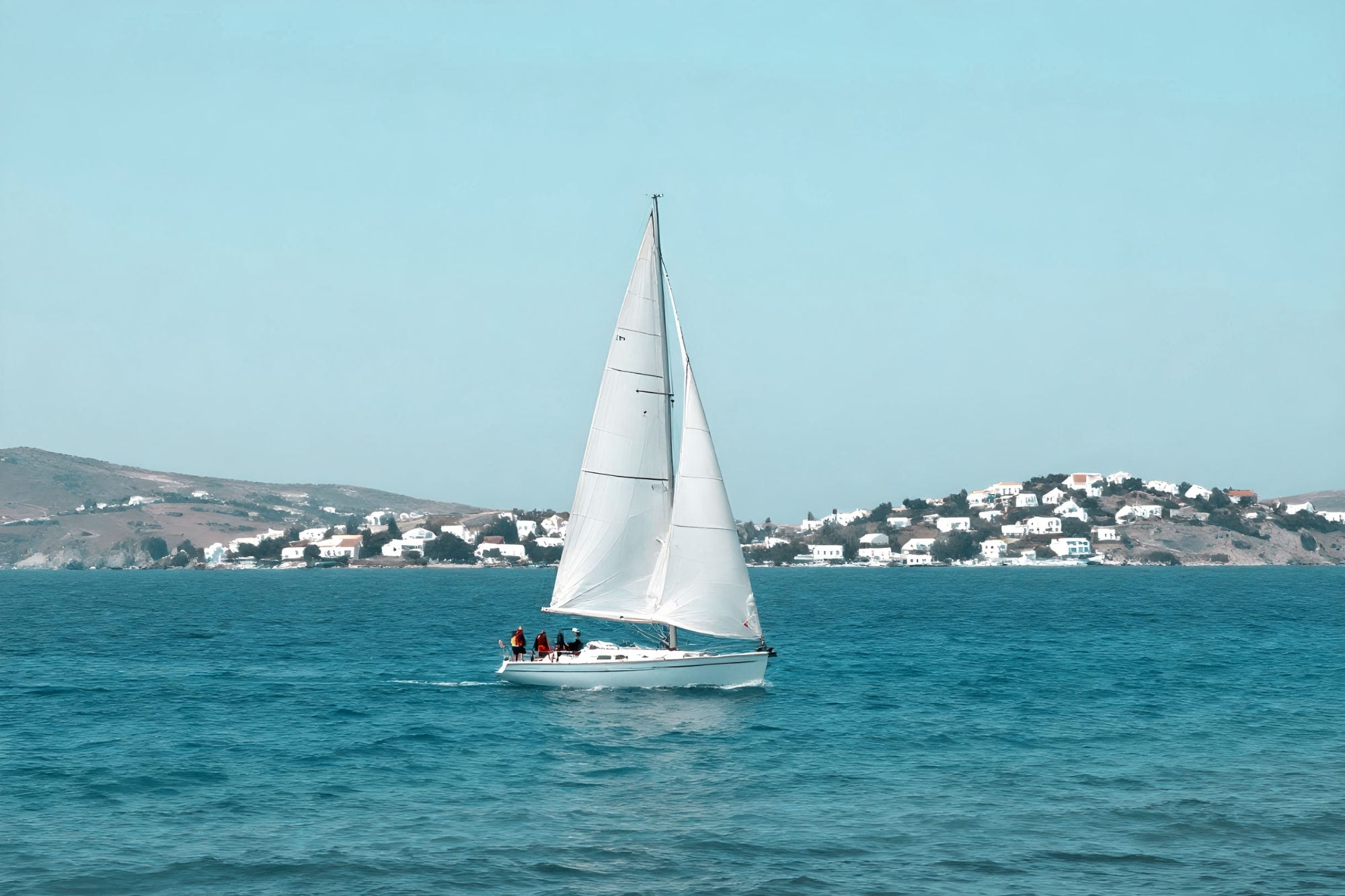
Sailing in the Aegean: Best Routes & What to Expect
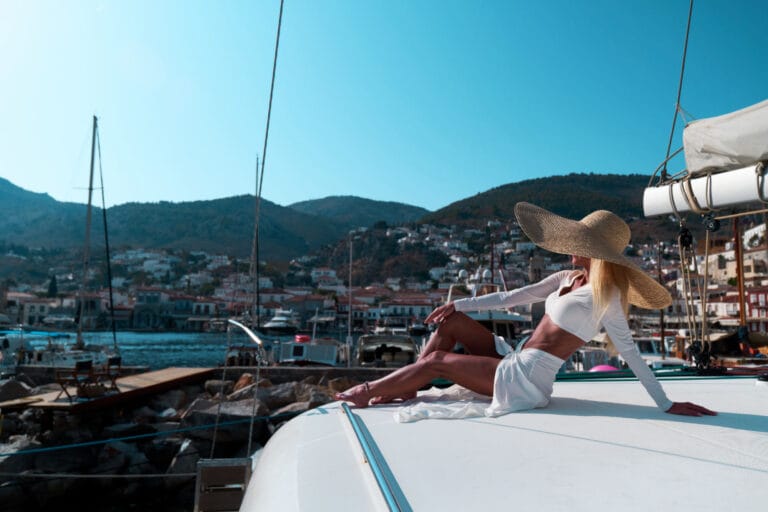
There is a moment, somewhere between Santorini and Ios, when the engine goes quiet and the only sound is the hull cutting through deep blue water. The islands sit on the horizon like ink sketches. The wind fills the sail. This is sailing in the Aegean — and once you experience it, every other way of seeing Greece feels like settling.
The Aegean Sea is one of the great sailing grounds on the planet. More than 200 islands within a few nautical miles of each other, reliable summer winds called the Meltemi, sheltered anchorages in fishing villages that have changed little in centuries, and water so clear you can see the bottom at 10 metres. If sailing has ever crossed your mind, Greece is where you do it.
This guide covers everything you need to plan a real sailing trip in the Aegean: the best routes, what the sailing conditions are actually like, how to choose a charter, what to pack, and what surprises first-timers almost always miss.
*Note: This page contains affiliate links. We may earn a small commission at no extra cost to you when you book through our links. This helps us keep creating free travel guides.*
Why the Aegean Is One of the World’s Best Sailing Destinations
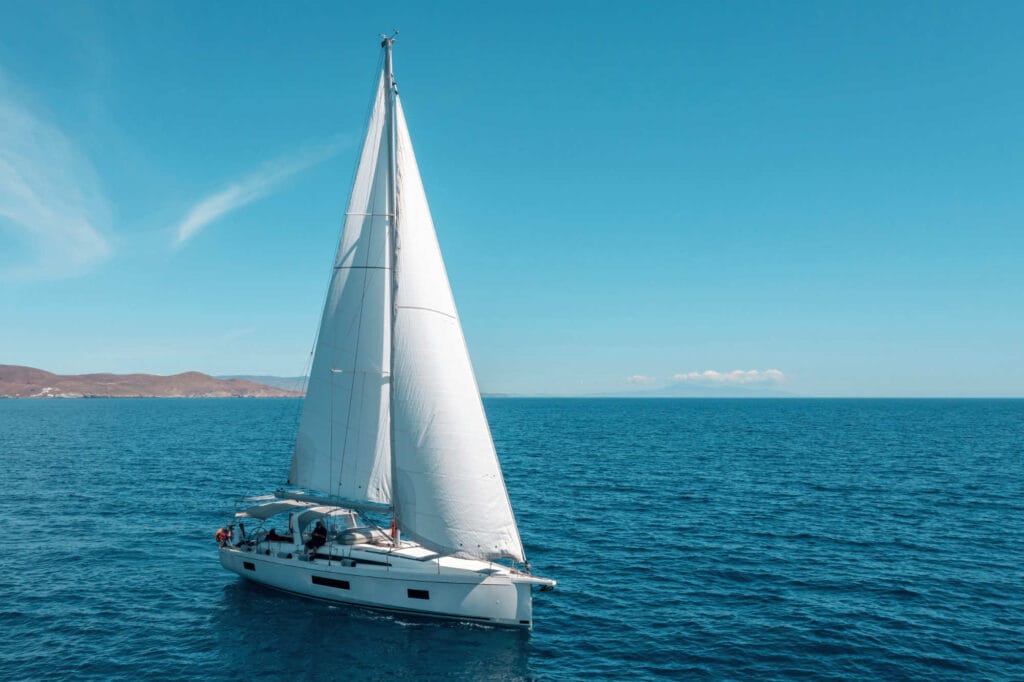
Every serious sailor has the Aegean on their bucket list. The combination of factors that make it exceptional is almost impossible to replicate anywhere else in the world.
The island density is the first thing. The Cyclades alone pack more than 200 islands and islets into a relatively small stretch of sea. This means you are almost never more than a few hours from the next anchorage, the next taverna, the next sunset from a different hillside. You can cover enormous ground without the exposed, open-ocean passages that intimidate less experienced sailors.
Then there’s the Meltemi. This strong, dry northerly wind blows reliably across the Aegean from June through August, giving sailors consistent, predictable conditions. It builds through the day, peaks in the afternoon, and drops at night — which means you can plan your passages and time departures to make the most of it.
And then there’s the light. The Aegean light in summer is not like light anywhere else. It turns everything golden by late afternoon and makes even a mediocre photograph look like a painting. Sailing into a whitewashed island just as the sun is dropping behind the caldera is not something you forget.
- 200+ accessible islands in the Cyclades alone
- Reliable Meltemi winds from June to August
- Calm, sheltered anchorages in every island cluster
- Crystal-clear water ideal for swimming and snorkelling at anchor
- Rich variety: ancient ruins, local food, nightlife, and silence all within one route
Understanding Aegean Sailing Conditions
If you are planning a sailing trip, you need to understand the Meltemi before anything else. It defines the rhythm of summer sailing in the Aegean and will shape every decision you make on the water.
The Meltemi Wind
The Meltemi is a northern to north-easterly wind that dominates the central and southern Aegean from roughly June through August. It’s strongest in the Cyclades — particularly around Mykonos, Paros, Naxos, and Santorini — where it regularly reaches Force 5–6 (20–25 knots) and occasionally stronger.
The pattern is consistent: the wind is lighter in the morning, builds through midday, peaks in the afternoon, and softens or dies overnight. Experienced sailors time their passages to depart early in the morning while conditions are calm, anchor by early afternoon before the Meltemi peaks, and then enjoy the evening at anchor or in a marina.
Best Months to Sail the Aegean
The sailing season runs from April to October, but the prime months depend on what you want:
- May–June: Light to moderate winds, warm but not scorching, fewer crowds on the islands. Best for beginners and families.
- July–August: Full Meltemi season. Stronger winds, faster passages, but anchorages get very busy and the islands are at peak tourist capacity.
- September–October: The Meltemi softens. Warmer sea temperatures, fewer crowds, lower charter prices. Many sailors’ favourite time.
If this is your first sailing trip in the Aegean, September is arguably the best month: conditions are manageable, the sea is still warm enough to swim in every day, and the islands are noticeably quieter than in August.
Sea State and Swell
The Aegean is largely a protected, semi-enclosed sea. Swell is generally modest compared to the Atlantic or Pacific, but the Meltemi can generate a short, steep chop that makes some passages uncomfortable, particularly on exposed headlands and open stretches between island groups. Your skipper — or your charter company — will give you specific advice for your route.
The Best Sailing Routes in the Aegean
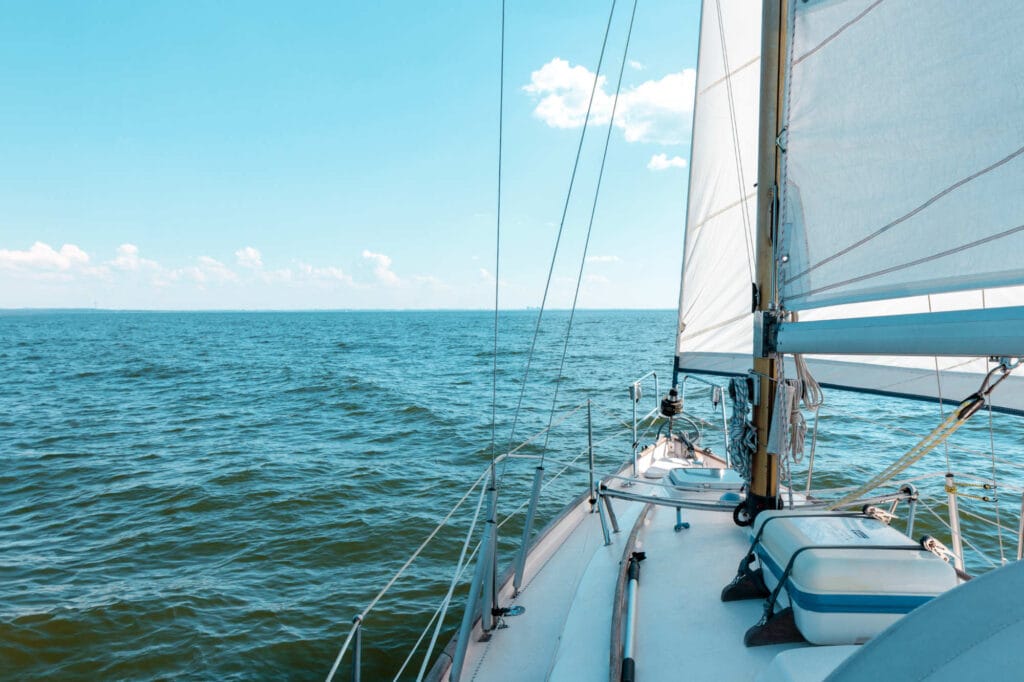
Choosing a sailing route in the Aegean depends on your base, the length of your trip, and your experience level. Here are the routes we recommend most consistently for different types of sailors.
Route 1: The Classic Cyclades Loop (7–10 Days)
Base: Athens (Lavrion or Alimos Marina)
Stops: Kea — Kythnos — Serifos — Sifnos — Milos — Folegandros — Santorini — Ios — Naxos — Paros — Mykonos — Syros — back to Athens
This is the definitive Aegean sailing route. It covers the heart of the Cyclades, taking in the quiet lesser-known islands (Sifnos, Folegandros) alongside the iconic ones (Santorini, Mykonos). The route works well in a clockwise direction, keeping the Meltemi largely on the beam or quarter for comfortable downwind passages.
It’s achievable in 7 days if you move most days, or more relaxed over 10 days if you want time to explore each island properly. For a sailing trip to Greece, this route delivers the complete picture.
For a detailed route plan, our Cyclades Island Hopping Itinerary covers the best combinations from Santorini to Paros with ferry timings and stop recommendations.
Route 2: Santorini to Mykonos (5–7 Days)
Base: Santorini (Athinios Port)
Stops: Santorini — Ios — Sikinos — Folegandros — Sifnos — Paros — Antiparos — Naxos — Mykonos
A shorter, more focused version of the Cyclades loop that works well for first-timers or for those with limited time. Flying into Santorini and out of Mykonos (or vice versa) means no backtracking, and the island sequence keeps the sailing interesting without long overnight passages.
The stretch between Folegandros and Sifnos is one of the most beautiful in the Aegean — small islands, turquoise water, and barely any other boats outside of high season.
Route 3: The Dodecanese — Rhodes to Kos (7–10 Days)
Base: Rhodes
Stops: Rhodes — Symi — Tilos — Nisyros — Kos — Kalymnos — Leros — Patmos — back to Rhodes
A completely different character to the Cyclades. The Dodecanese sits close to the Turkish coast and has a layered history — Byzantine, Ottoman, Italian, and Greek — that shows in the architecture of every island. The sailing here is generally more sheltered than the central Cyclades, making it well-suited to beginners and families. Rhodes itself has excellent charter companies and a well-equipped marina.
Route 4: The Ionian Islands (7–10 Days)
Base: Lefkada or Corfu
Stops: Lefkada — Meganisi — Ithaca — Kefalonia — Zakynthos — Lefkada (or Corfu to Paxos to Lefkada)
Technically the Ionian, not the Aegean — but essential to include because it offers the best sailing conditions for beginners in Greece. The Ionian lacks the Meltemi, with gentler thermal winds and calm anchorages in natural harbours surrounded by pine forests and emerald water. If you are sailing in Greece for the first time with family, the Ionian is arguably the better choice.
For the sailing experience in the Aegean itself, however, the Cyclades or Dodecanese are where you want to be.
Choosing the Right Sailing Charter
The charter market in Greece is large, well-organised, and genuinely competitive. Choosing the right company and the right boat makes more difference to your trip than almost any other decision.
Key Factors When Choosing a Charter
- Fleet age and maintenance: Boats that are properly maintained sail and handle better, and things are less likely to go wrong on the water. Ask how old the fleet is and when the boat was last serviced.
- Base location: Your charter base determines which routes are realistic. Athens gives you access to the whole Cyclades. Rhodes opens up the Dodecanese. Lefkada or Corfu is the Ionian base.
- Included equipment: Confirm that safety equipment, charts, dinghy, and outboard motor are included. Not all companies are the same.
- Reviews and certification: Look for companies with Yacht Charter Association (AYCA) or Hellenic Professional Yacht Owners Association membership. Real reviews on sailing forums (Noonsite, The Cruising Association) are more reliable than Google reviews.
- Security deposit: Most companies require a security deposit of €1,000–€3,000. Check whether they accept a credit card hold or require cash, and whether they offer damage waiver insurance.
Bareboat vs. Skippered Charter: Which Is Right for You?
This is the most important decision for any sailing trip in Greece, and the answer depends on experience more than budget.
Bareboat Charter
You take the boat without a skipper. You are the captain, responsible for the navigation, anchoring, docking, and safety of everyone on board. Most companies require an RYA Day Skipper certificate (or equivalent) and logged sea miles.
Bareboat is the right choice if you have genuine sailing experience, are comfortable reading charts and forecasts, and have docked a yacht in tight marina berths before. It gives you total freedom — you decide when to leave, where to go, and when to stay.
Skippered Charter
A professional, licensed skipper comes with the boat. They handle all the navigation and sailing decisions. You and your group are passengers who can be as involved or as hands-off as you like.
Skippered is the right choice for first-timers, for groups where some want to learn sailing and some just want to relax, and for anyone who wants to enjoy the Aegean without the responsibility of the boat on their mind. The skipper also doubles as a local guide — a good skipper knows where to anchor away from the crowds, which taverna in which fishing village is worth the walk, and which passages to avoid on a given day.
For most travellers visiting BreezyRoutes, a skippered charter is the honest recommendation. You pay a premium, but the experience is genuinely better.
Flotilla Sailing
A third option worth knowing: flotilla sailing means sailing as part of a group of boats, led by a lead boat with a professional crew. You sail your own boat but with support close by. It’s a popular entry point for sailors with some experience who want to build confidence. Several UK-based flotilla operators run regular programmes out of the Ionian.
What to Expect on a Sailing Trip in Greece
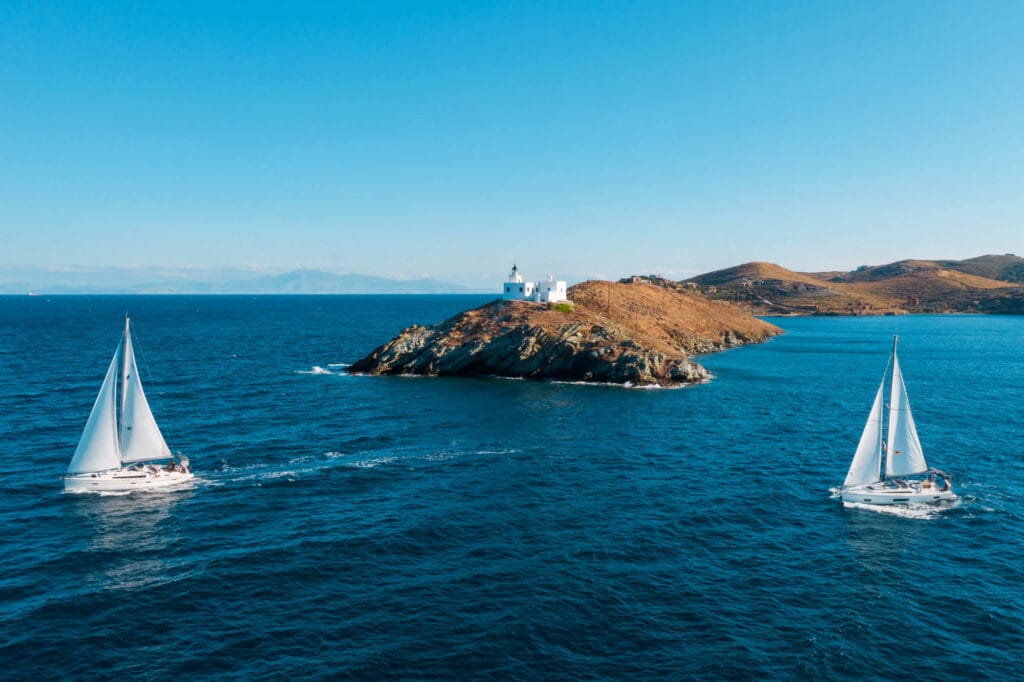
If you have never done a sailing holiday before, there are a few things worth knowing before you step on board.
The Daily Rhythm
Sailing days on the Aegean follow a natural pattern. You leave the anchorage or marina in the morning, before the Meltemi builds. You sail for 3–5 hours, arriving at the next island by early afternoon. You anchor, swim, explore the village or beach, eat well, and sleep at anchor or in a marina berth. Repeat.
The pace is unhurried. The stress of normal life disappears quickly. Most sailors describe the first two days as an adjustment — and then they don’t want to leave.
Anchoring and Marina Berths
The Aegean offers both options. Free anchoring in a sheltered bay gives you privacy and tranquillity, but you need to be comfortable with the boat swinging on its anchor. Marina berths are more convenient — water, electricity, showers — but more expensive and sometimes noisy. Most routes mix both.
In high season (July–August), popular anchorages fill up fast. Arriving early in the afternoon gives you first choice of spots.
Swimming and Snorkelling
This is where sailing in the Aegean surpasses every other form of travel. You anchor directly above the places worth snorkelling. You swim off the stern ladder whenever you want. The water temperature from June through October is warm enough that you never want to get out.
The underwater visibility in the Aegean is exceptional — often 15–20 metres — and many anchorages have interesting rock formations, sea caves, and sea life worth exploring.
Food and Provisioning
Provisioning is typically done at the base port before departure and supplemented at island supermarkets along the route. Fresh bread, feta, olives, and local wine are easy to find at almost every island. Eating at tavernas on shore every evening adds up, but is one of the great pleasures of a Greek sailing trip — especially at small fishing villages where the menu is whatever came in on the boats that morning.
The Best Sailing Bases in Greece
Where you start determines where you can realistically go in your time on the water.
- Athens (Lavrion / Alimos): The main gateway for the Cyclades. Well-connected to the airport, large charter fleets, access to almost all routes in the Aegean.
- Rhodes: The base for the Dodecanese. Excellent for routes combining the southern Aegean islands with the Turkish coastline (with the right visa planning).
- Lefkada: The hub for the Ionian. Best for beginners and families. Easy drive from Preveza Airport or Thessaloniki.
- Corfu: Northern Ionian base. Good connections from multiple European cities. Excellent for one-way charters to Lefkada or Kefalonia.
- Kos: A growing base for the central Dodecanese. Well-positioned for routes toward Patmos and the northern islands.
What to Pack for an Aegean Sailing Trip
Packing for sailing is different from packing for a resort holiday. Space below deck is limited, and soft bags stow far more easily than hard-shell suitcases.
Clothing
- Lightweight, quick-dry clothes for on deck (wind can be cold in the morning even in summer)
- A fleece or light jacket for evening sailing
- Non-marking, soft-soled shoes for on deck — trainers or dedicated sailing shoes
- Swimwear and rash guard for extended water time
- Smart-casual clothes for going ashore at nicer restaurants
- A wide-brimmed hat and UV protection — reflected sun off the water is intense
Essentials
- Strong sunscreen (SPF50+) — reapply constantly at sea
- Polarised sunglasses — non-negotiable on the water
- Seasickness medication if you are prone — conditions can be uncomfortable on exposed passages
- Dry bag for phone and documents
- Reusable water bottle — boats have water makers or tank water, and reducing plastic matters
- Personal first aid kit with any regular medications
What to Leave Behind
- Hard-shell suitcases (soft bags or duffel bags only)
- Anything that can’t get wet
- Hairdryers and high-maintenance toiletries (space is minimal)
Costs: What to Budget for Sailing in Greece
Sailing in the Aegean is not the cheapest form of travel in Greece, but it offers value that is hard to measure against a hotel stay. You are covering multiple islands in one trip, with accommodation, transport, and often meals included in a single charter cost.
Charter Costs (Rough Guide)
- Small monohull (2 cabins, 4–6 people): €900–€1,800/week bareboat in shoulder season
- Mid-size monohull (3–4 cabins, 6–8 people): €1,500–€3,000/week bareboat in high season
- Catamaran (4 cabins, 8 people): €3,500–€7,000/week — more stable and spacious, increasingly popular
- Skippered charter: Add €100–€200/day for the skipper (sometimes accommodation and meals for the skipper are separate)
Additional Costs to Factor In
- Marina fees: €15–€50/night depending on island and season
- Fuel for the engine (motoring in light wind days or entering harbours)
- Food and provisioning for the week
- Shore meals and drinks
- End-of-trip cleaning fee (usually €100–€200)
- Security deposit (held, returned on return of undamaged boat)
Splitting a charter between a group of 6–8 people brings the per-person cost in line with — or below — what you’d spend on flights, hotel, transfers, and excursions for a comparable week in Greece.
Tips for First-Time Aegean Sailors
These are the things that experienced sailors wish someone had told them before their first time in the Aegean.
- Book early, especially for August. Good charter boats in peak season sell out months in advance. If you have a fixed target date, booking six months out is not excessive.
- Plan flexible routes. The Meltemi doesn’t care about your schedule. Build buffer days into the itinerary so that if conditions push you to stay put for a day, you aren’t stressed about missing the next island.
- Do the provisioning properly at the base port. Island supermarkets are fine for top-ups, but relying on them for the full week means overpaying and sometimes not finding what you want.
- Anchor early. The best spots in popular anchorages fill by 2pm in high season. Aim to be anchored by early afternoon.
- Learn the Greek hospitality rhythm. In small villages, nothing opens for lunch until 1pm and dinner doesn’t really start until 9pm. Working with this schedule rather than against it makes island visits far more enjoyable.
- Respect the Meltemi. On strong-wind days, staying in a sheltered anchorage and exploring the island on foot or by scooter is not a compromise — it’s often the better day.
- Get a sailing briefing from your charter company. Even if you have experience, a local briefing on the specific conditions of your route, entry points to harbours, and any seasonal restrictions is worth every minute.
Explore More: Plan Your Sailing Trip
- Yacht & Sailing Charters in Greece: Complete Guide
- Island Hopping in Greece: The Ultimate Guide
- Cyclades Island Hopping Itinerary: Santorini to Paros
- 10 Days in Greece: Islands, Athens & More
- Getting Around Greece: Ferries, Flights & Cars
- Plan Your Trip Overview
Ready to Sail the Aegean?
The Aegean doesn’t get better than this: consistent winds, warm water, and a different island every morning. The only way to really understand it is to be on the water.
Start with a charter comparison to find the right boat and base for your trip — or explore our full guide to yacht and sailing charters in Greece for everything you need to plan.
FAQ: Sailing in the Aegean
Do I need sailing experience to charter a yacht in the Aegean?
For a bareboat charter (no skipper), yes — most companies require an RYA Day Skipper certificate or equivalent, plus logged sea miles. For a skippered charter, no experience is needed at all. If you want to be hands-on and learn while sailing, a skippered charter is actually the better way to build skills in a new sailing area.
What is the Meltemi wind and do I need to worry about it?
The Meltemi is a reliable summer northerly wind that dominates the central Aegean from June to August. It typically blows Force 4–6 during the afternoon. It’s predictable enough to plan around — leave early in the morning, anchor by early afternoon before it peaks. For experienced sailors it makes for exhilarating downwind passages. For beginners, it’s manageable with good planning. September sailing largely avoids the strongest Meltemi conditions.
How many people can comfortably share a sailing charter?
A standard monohull with 3–4 cabins sleeps 6–8 people. For genuine comfort — particularly below deck in warm weather — most experienced sailors recommend keeping groups to one person per cabin, so 3–4 people on a 3-cabin boat rather than packing it to capacity. Catamarans offer considerably more living space and are worth the price premium for groups of 6–8.
What is the best Aegean sailing route for first-timers?
The Cyclades loop from Athens is the most complete route, but for first-timers we most often recommend the Santorini to Mykonos one-way route (or reverse). It’s manageable in 5–7 days, hits the iconic highlights, and the island sequence means you’re rarely on an exposed passage for more than 3–4 hours at a time. Alternatively, the Ionian (based in Lefkada or Corfu) is the gentlest introduction to sailing in Greece.
How much does a sailing holiday in Greece cost?
A skippered charter for a group of 6 on a mid-size monohull costs roughly €2,000–€4,000 for the week (boat plus skipper), split between the group. Per person, this is typically €350–€700 before food and marina fees. When split properly across a group, a sailing week in the Aegean is comparable in cost to a mid-range beach hotel plus excursions for the same trip — with far more territory covered.
When is the best time to sail the Aegean?
September is the sweet spot: the Meltemi softens, the sea temperature is still warm enough for daily swimming, crowds thin out noticeably, and charter prices often drop 15–25% compared to peak July–August rates. May to June is also excellent for lighter wind conditions and quieter islands. July and August are the busiest and most expensive but offer the most reliable Meltemi for those who enjoy stronger wind sailing.
Can I combine a sailing trip with time on land in Greece?
Absolutely, and most people do. A common structure is 3–4 days in Athens (or a land island stay at the start or end) combined with a week on the water. Athens to the Cyclades is a short ferry or fast boat from Piraeus, and many charter companies offer sailing-and-hotel packages that handle both sides of the trip. See our Greece itineraries for route combinations that work with a sailing week.
Is it safe to sail the Aegean with children?
Yes, with the right setup. Families consistently rate the Ionian as the most child-friendly sailing area in Greece — calmer conditions, protected bays with shallow swimming areas, and less intense Meltemi. The Cyclades is also very doable with children, particularly outside of peak Meltemi season. On a skippered charter, the skipper handles all the sailing decisions while you focus entirely on the family. Life jackets for children, sun protection, and seasickness prevention (kids are often surprisingly resistant to seasickness on calmer days) are the key practical considerations.