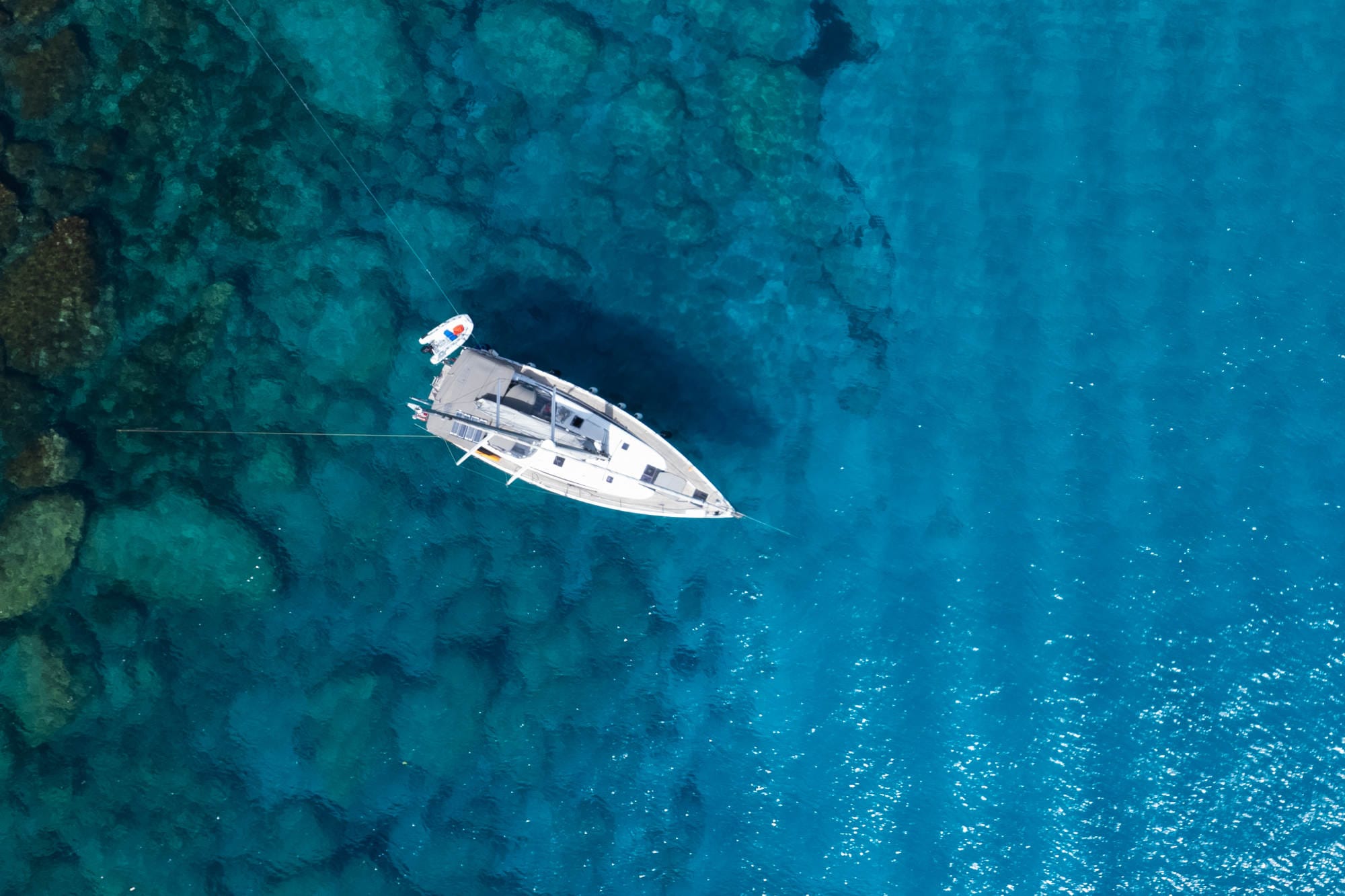
10 Days in Greece: The Perfect Itinerary for Islands, Athens & More
10 Days in Greece is the sweet spot for first-time visitors. Long enough to slow down and actually feel the place — not just photograph it. Short enough that every destination still feels deliberate. With a week you have to choose; with two weeks you risk spreading thin. Ten days lets you do Athens properly, spend real time on two islands, and add a third destination that most one-week visitors never reach.
This itinerary runs Athens (2 days) → Santorini (3 days) → Mykonos (2 days) → Crete (3 days). It’s built around direct flights and high-speed ferries, and it covers the full range of what Greece offers: ancient history, volcanic landscapes, cosmopolitan island towns, and the largest island in the country — which could absorb a week on its own but reveals a lot in three focused days.
Everything here is logistics-tested. We’ve included realistic travel windows, the right order to avoid backtracking, and honest notes on what to skip when time is short.
Note: This page contains affiliate links. We may earn a small commission at no extra cost to you when you book through our links. This helps us keep creating free travel guides.
Days 1–2: Athens — Ancient Monuments, Food & Neighborhoods
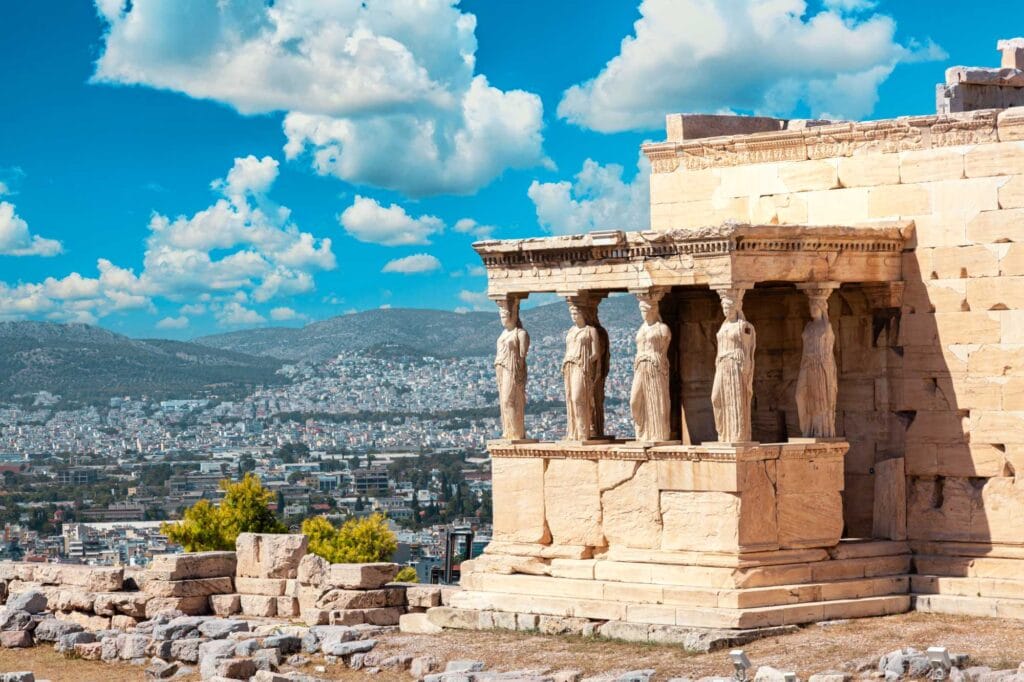
Most people treat Athens as a layover. That’s a mistake. The city has one of the finest archaeological collections in the world, a food scene that’s been quietly excellent for years, and neighborhoods that change character street by street. Two days is the minimum to feel it. Three is better, but this itinerary gives you two — use them well.
Day 1 — Arrive & Find Your Bearings
Fly into Athens International Airport (ATH). The X95 express bus runs directly to Syntagma Square for a few euros; taxis take 30–40 minutes depending on traffic. Check into a hotel in Monastiraki, Koukaki, or Psiri — all within walking distance of the main sites.
First afternoon: walk through Plaka. It’s the oldest continuously inhabited neighborhood in Athens, built into the slopes of the Acropolis hill. The streets are narrow and slightly labyrinthine, lined with tavernas and small shops. Head toward Monastiraki Square by early evening. Have dinner at a rooftop restaurant with Acropolis views — lit up at night, the Parthenon looks like something out of a film set.
Day 2 — The Acropolis, the Museum & the Rest
Buy Acropolis tickets online in advance. Arrive by 8:00–8:30 AM before the organized tour groups. Walk up through the Beulé Gate, past the Temple of Athena Nike, to the Parthenon at the top. From the hill, Athens stretches out in every direction: the port at Piraeus in one direction, the mountains of Attica in another. Allow 90 minutes.
Walk down to the Acropolis Museum immediately after — it’s at the base of the hill and gives context to everything you just saw. Budget two hours. The top floor, with original Parthenon frieze sections visible alongside plaster casts of what’s in London, is quietly remarkable.
Afternoon: the Monastiraki Flea Market for an hour, then lunch at a souvlaki counter (Kostas or Thanasis, both near the square). Spend the late afternoon in Syntagma for the Changing of the Guard, or push to the National Archaeological Museum if ancient artifacts are a priority — it’s one of the world’s great museums and consistently underrated on the tourist circuit.
Evening: dinner in Psiri or Thisio. Order the grilled octopus, the taramosalata, and whatever fresh fish the kitchen recommends. Pack lightly tonight — tomorrow you’re flying to the caldera.
Days 3–5: Santorini — Caldera Views, Beaches & Oia Sunset
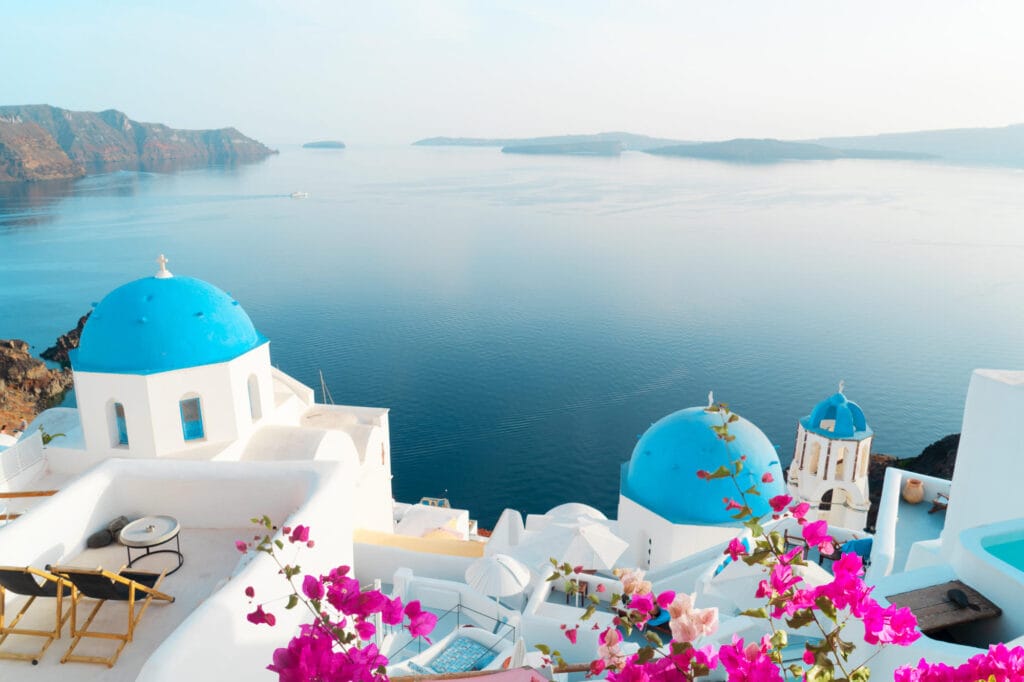
Three days on Santorini is the right amount. One day is not enough to shake the tourist rush. Two days works but feels compressed. Three gives you a morning for beaches, an afternoon for villages, and an evening for Oia — and still leaves time to sit on a terrace and do nothing in particular, which is arguably the point.
Day 3 — Arrive & Settle into Fira
Morning flight from Athens to Santorini (JTR) — 45 minutes. The airport is small; take a pre-booked transfer or the KTEL bus to Fira. Check in, orient yourself, and take the afternoon at a slower pace.
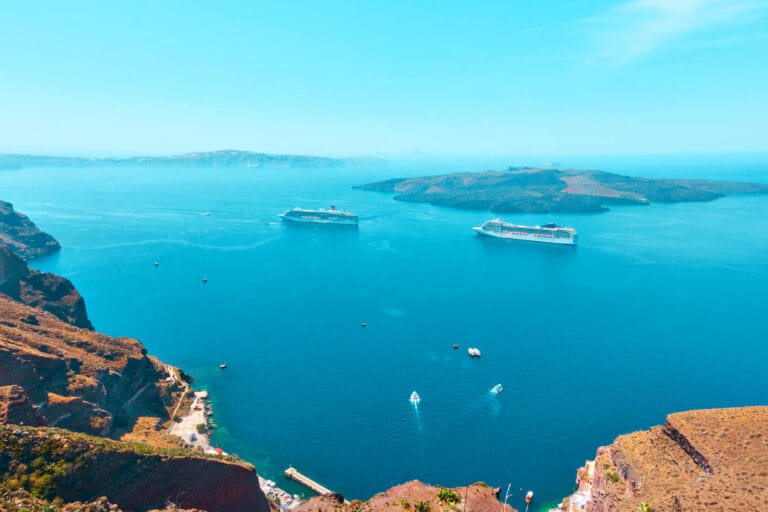
Walk the caldera path north from Fira toward Imerovigli — about 4 km one way with dramatic views the entire route. This is your first full look at the caldera: the crescent-shaped bay left by the volcanic eruption that reshaped the island, the small volcanic islets in the middle, and the sheer white cliffs dropping to deep blue water. Most visitors skip this walk and go straight to Oia. Don’t.
Dinner in Fira tonight. The caldera-view restaurants charge a premium; pick one for the experience, then eat at local places the rest of the trip.
Day 4 — South of the Island: Beaches, Akrotiri & Wine
Rent a car or ATV for the day. Head south first, before the heat builds.
Perissa and Perivolos have black volcanic sand beaches on the southeastern coast — dramatic to look at, hot to walk on (sandals required). Swim early, then drive to Akrotiri before the site gets crowded.
Akrotiri is the Bronze Age settlement preserved under volcanic ash since around 1600 BC. It’s one of the best-preserved prehistoric urban sites in Europe, and the artifacts inside the Acropolis Museum in Athens came largely from here. Allow 90 minutes.
Afternoon: wine tasting. Santo Wines sits directly on the caldera rim above Pyrgos and offers tastings with one of the best views on the island. The Assyrtiko grape grown in Santorini’s volcanic soil produces a distinctive dry white unlike anything from the Greek mainland — worth understanding before you leave.
Stop through Pyrgos village on the way back — the highest point on the island, quieter than anywhere on the caldera rim, with a ruined Byzantine fortress at the top.
Day 5 — Oia & Departure Prep
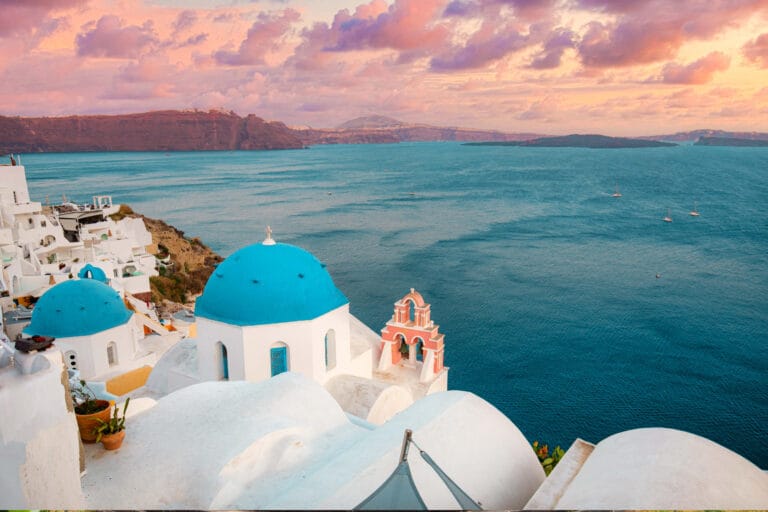
Spend the morning in Oia before the day-trippers arrive from cruise ships. The village is at its best before 10 AM — quiet streets, soft light, the windmills visible from the northern end of the caldera path. Walk through the alleyways, have coffee overlooking the water, browse the galleries without anyone in your way.
Afternoon: prepare for tomorrow’s ferry to Mykonos. Book if you haven’t already (high-speed ferry, 2–3 hours). Pack, settle the hotel bill, have a proper lunch in Oia.
Evening: return to Oia for sunset. Arrive at the castle ruins (Kastro) by 6:30 PM minimum. The crowds are real but the light is worth it — the sun drops behind Thirassia island and turns everything orange and gold. Book dinner in Oia for 8:30 PM.
Days 6–7: Mykonos — Beaches, Little Venice & Nightlife
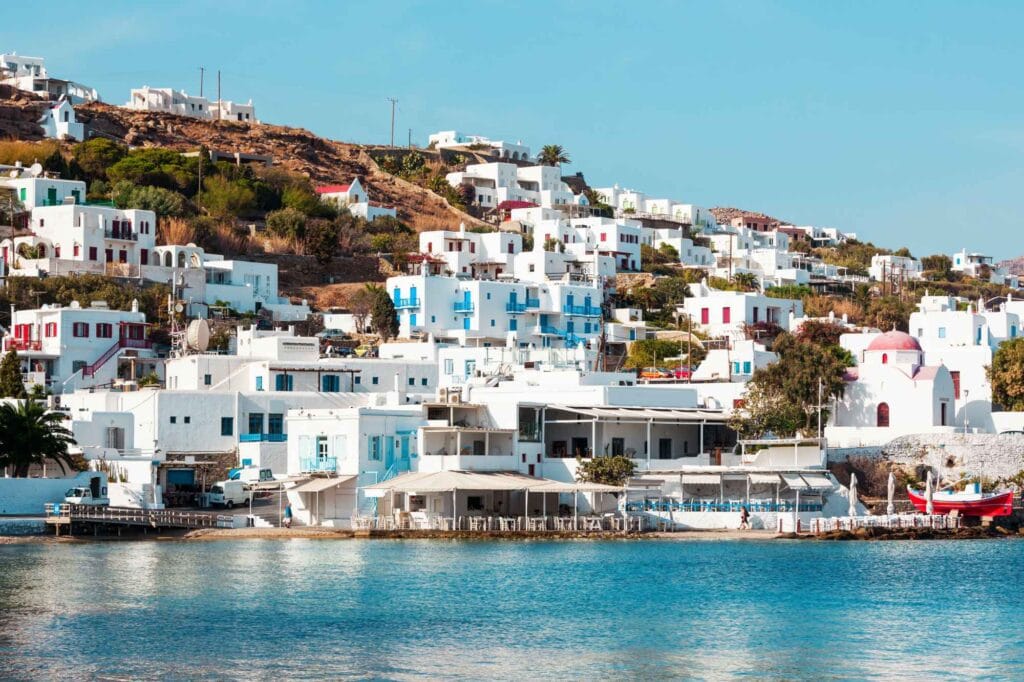
Mykonos has a reputation that precedes it — and not always for the right reasons. Yes, it’s expensive. Yes, the beach clubs are loud. But the town itself (Hora) is genuinely beautiful — one of the best-preserved Cycladic townscapes in the islands — and the beaches away from the party circuit are excellent. Two days is enough to see both sides of it.
Day 6 — Ferry from Santorini & Afternoon in Town
Morning high-speed ferry from Santorini to Mykonos — roughly 2–3 hours. The port in Mykonos Town (Old Port or New Port depending on the ferry) is a short walk or taxi ride from the center.
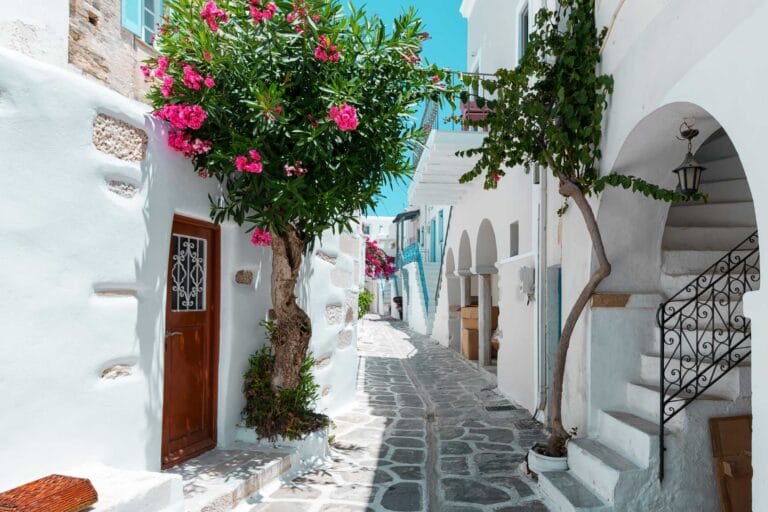
Check in, then spend the afternoon in Hora. The town is deliberately difficult to navigate — the labyrinthine layout was designed to confuse raiding pirates, and it works just as well on tourists. Get lost in it. Whitewashed cubic buildings, bright blue doors, bougainvillea everywhere, tiny Orthodox chapels at every corner.
Little Venice is the cluster of buildings built directly over the water at the western edge of town. Best visited in the late afternoon when the light drops low across the Aegean and the buildings glow. Have a drink here and watch the famous Kato Mili windmills on the hill above.
Dinner in town: fresh fish at a harbor-front restaurant, or mezze somewhere tucked one street back from the seafront (better quality, lower prices, same proximity to the water).
Day 7 — Full Beach Day & Last Evening
Mykonos has beaches for every mood. Choose based on what you want from the day:
- Agios Sostis — no organized sunbeds, no music, no beach bar. A quiet crescent of clear water popular with locals. The closest thing to a secret beach this island has left.
- Platis Gialos — organized, family-friendly, with sunbeds and a decent bar. The boat taxi service from here reaches several other beaches along the southern coast and is worth taking.
- Elia Beach — one of the longest beaches on the island, calmer than Paradise, with good facilities and slightly less of a scene.
- Paradise Beach — the legendary party beach. Active from noon onward. Commit to it entirely or skip it entirely; there’s no half-measure here.
Return to town in the late afternoon when the day-trippers clear out. The streets calm down noticeably after 5 PM. Walk back up to the windmills for the view, then dinner and whatever the evening brings. Mykonos doesn’t sleep early — the nightlife is genuine and the town is at its most atmospheric after dark.
For the full breakdown of the island, see our Mykonos Travel Guide.
Days 8–10: Crete — The Wild Island
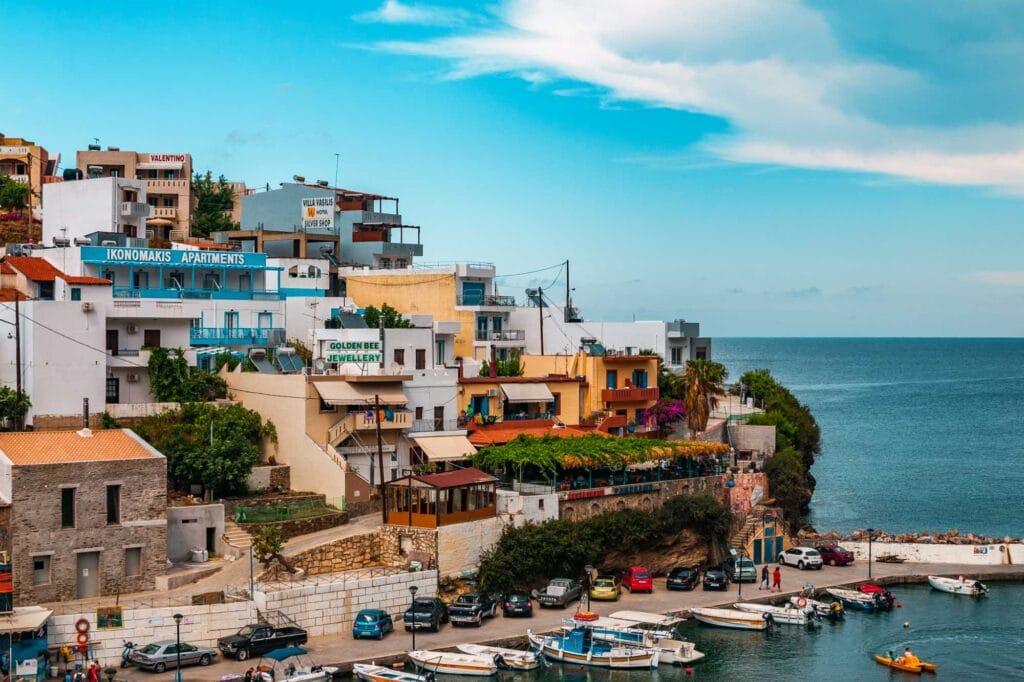
Crete is not like the other islands on this itinerary. It’s the largest Greek island — roughly 250 km from end to end — with a distinct culture, its own dialect, a serious culinary tradition, and landscapes that range from beach resorts to mountain gorges to ancient Minoan palaces. Three days is not enough to see it. It’s enough to understand why people keep coming back.
This three-day section focuses on the north coast and western half of the island, which concentrates the best combination of history, beaches, and food within a manageable radius.
Day 8 — Fly to Heraklion & the Palace of Knossos
Fly from Mykonos to Heraklion (HER) — about 40 minutes. (Check connections: some routes go via Athens, adding a few hours. Direct flights exist seasonally.)
If you arrive in the morning, go directly to the Palace of Knossos — the largest Bronze Age archaeological site in Greece and the center of Minoan civilization. The reconstruction is controversial among archaeologists (British archaeologist Arthur Evans rebuilt sections in the early 20th century using reinforced concrete and vivid fresco reconstructions), but it makes the site unusually legible for non-specialists. Allow two hours.
Heraklion itself is worth an afternoon: the Venetian harbor, the Koules Fortress at the entrance to the port, and the Archaeological Museum of Heraklion, which houses the original Knossos artifacts including the famous Bull-Leaping Fresco. The museum alone justifies the city stop.
If your flight arrives in the afternoon, reverse the order: museum first, Knossos the next morning before crowds peak.
Pick up a rental car in Heraklion. You’ll need it for the next two days.
Day 9 — Drive West: Rethymno, Beaches & the Cretan Table
Drive west along the north coast highway toward Rethymno — about 80 km, under an hour.
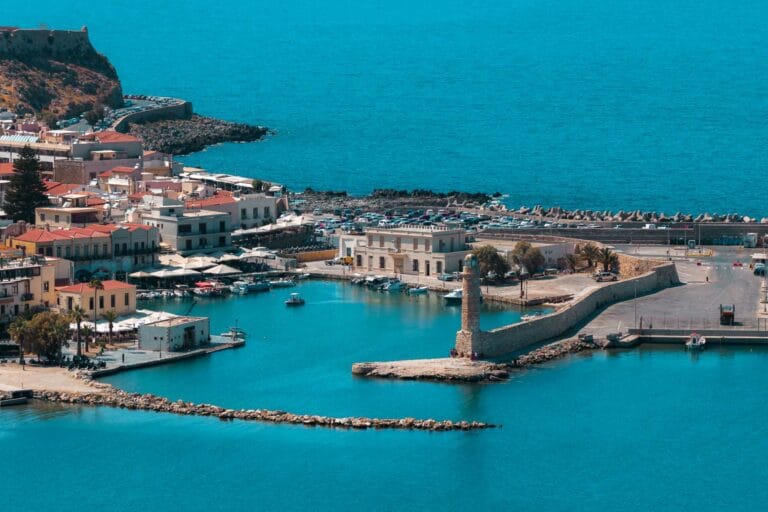
Rethymno is one of the best-preserved Venetian towns in Greece. The old town has a 16th-century fortress (Fortezza) overlooking the harbor, a lighthouse at the end of the jetty, and narrow streets with carved stone doorways and Ottoman fountains side by side. It’s less touristed than Chania and more navigable than Heraklion. Spend two hours here.
Afternoon: drive to one of the beaches on the southern coast. The road through the White Mountains (Lefka Ori) to Plakias takes about 45 minutes and the drive itself is worth making — the mountains are dramatic, the descent to the south coast sudden. Plakias has a long, uncrowded beach and a fishing village atmosphere that the north coast resorts have mostly lost.
Dinner: Cretan food is genuinely regional. Look for dakos (barley rusk with tomato and mizithra cheese), slow-cooked lamb or goat with local herbs, and whatever cheese the kitchen makes in-house. The olive oil is extraordinary — Crete produces some of the world’s best. Eat at a family-run taverna rather than anything with an English menu in the window.
Day 10 — Chania & Departure
Drive to Chania — about 60 km from Rethymno, one hour.
Chania has the most beautiful harbor in Crete: a Venetian crescent lined with stone warehouses converted into restaurants and bars, with a lighthouse at the far end and the White Mountains as backdrop. The old town behind the harbor is a maze of Venetian, Ottoman, and Greek architecture — minarets next to church towers, stone arches over narrow lanes.
Walk through the covered market on Halidon Street. Have coffee at the harbor. Spend an hour in the Naval Museum if maritime history interests you; otherwise simply walk the harbor front and the alleyways behind it.
Chania Airport (CHQ) is 15 km east of the city and has direct flights to Athens and several European capitals. If you’re flying home from here, this is your departure point. If you need to return through Athens, allow enough time for the connection.
For everything Crete has to offer, read our Crete Travel Guide.
How to Get Between Destinations
Athens → Santorini
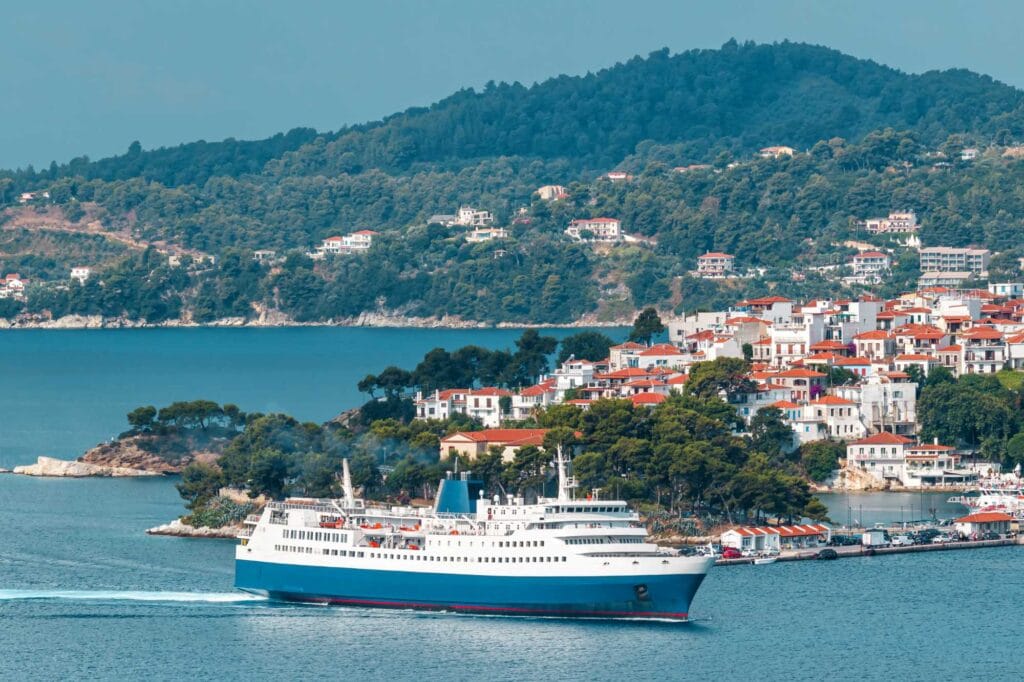
Fly. The journey is 45 minutes; the ferry from Piraeus is 5–8 hours depending on the vessel. On a 10-day trip, flying is the right call. Book as early as possible — this is one of the most popular domestic routes in Greece and prices rise sharply in summer.
Santorini → Mykonos
High-speed ferry, 2–3 hours. Operators include SeaJets and Golden Star Ferries. Book in advance, especially July through August. Morning departures give you the afternoon in Mykonos.
Mykonos → Crete (Heraklion)
Fly via Athens if no direct seasonal connection is available. The total journey (Mykonos → Athens → Heraklion) is typically 3–4 hours including the connection. Check schedules before booking the full itinerary — direct Mykonos–Heraklion flights exist in summer but not year-round.
Within Crete
Rent a car. The island is too large and too varied to navigate without one. The road network is good along the north coast; smaller roads into the mountains and south coast require confidence on narrow bends. Book your rental from Heraklion airport on arrival.
For all the logistics detail, read our Getting Around Greece guide and Greece Ferry Guide.
Practical Tips for This Itinerary
Best time to travel
Late May through June and September through early October are the strongest windows for this route. The weather is warm and reliable, the light is exceptional for photography, and the crowds — while present — are thinner than in July and August. Santorini and Mykonos in peak summer (late July–August) are genuinely crowded; Crete handles it better due to its size.
Budget
This is not a cheap itinerary. Santorini and Mykonos are among the most expensive destinations in the Greek islands; Crete is significantly more affordable. A couple traveling thoughtfully should expect to budget €250–400 per day across the trip, more in Santorini and Mykonos, less in Crete. Car rental, domestic flights, and ferry tickets are your main transport costs.
What to book before you travel
- International and domestic flights (book early — Athens–Santorini fills fast)
- Ferry tickets: Santorini – Mykonos
- Hotels on Santorini — especially caldera-view rooms, which are limited
- Hotels on Mykonos in the old town
- Car rental in Heraklion (and in Santorini for Day 4)
- Acropolis tickets in Athens
- Dinner reservations in Oia
Packing notes
Pack light. You’re moving between four destinations. A carry-on and a day bag is the practical maximum. The islands are hot; linen and light cotton are more useful than anything heavy. Good walking shoes matter for the Acropolis, the Samaria Gorge day trip (if you add it), and the cobbled streets of Oia and Chania old town.
Explore More About Greece
- 7 Days in Greece: The Perfect One-Week Itinerary
- 2 Weeks in Greece: The Ultimate Trip Plan
- Santorini Travel Guide: Everything You Need to Know
- Mykonos Travel Guide: Everything You Need to Know
- Crete Travel Guide: The Ultimate Island Adventure
- Athens Travel Guide: Everything You Need to Know
- Greece Ferry Guide: How to Book & Navigate Islands
- Getting Around Greece: Ferries, Flights & Cars
- When Is the Best Time to Visit Greece?
FAQ
Is 10 Days in Greece Enough?
Ten days is one of the best lengths for a Greece trip. It’s long enough to visit three distinct destinations without feeling rushed, and short enough that each stop stays focused. You won’t see everything — Greece doesn’t reward speed — but you’ll see enough to understand why most people come back.
What is the best 10-day Greece itinerary?
The Athens → Santorini → Mykonos → Crete route covered in this guide works well for most travelers. It combines ancient history, dramatic volcanic scenery, cosmopolitan beach culture, and authentic regional food in a logical east-to-west arc. If Mykonos isn’t your style, swap it for Paros or Naxos for a quieter, less expensive alternative.
How do I get around Greece in 10 days?
Fly between major hubs (Athens–Santorini, Mykonos–Heraklion) to save time. Use high-speed ferries between islands in the Cyclades (Santorini–Mykonos). Rent a car in Crete — it’s the only practical way to explore the island properly.
How much does a 10-day Greece trip cost?
Budget varies significantly depending on accommodation choices. For a couple including flights, accommodation, meals, transport, and activities, expect roughly €3,000–5,000+ for this itinerary. Santorini and Mykonos carry a premium; Crete brings the average down. Booking flights and hotels early makes a meaningful difference to the total.
Can I visit Athens, Santorini, Mykonos, and Crete in 10 days?
Yes — this is exactly the itinerary above. The key is flying between the longer legs (Athens–Santorini, Mykonos–Crete) rather than relying entirely on ferries. With those two flights, the logistics are clean and the time at each destination is generous.
What is the best time to visit Greece for 10 days?
Late May through June and September through early October offer the best combination of good weather, manageable crowds, and reasonable prices. July and August are peak season — hot, busy, and expensive, particularly on Santorini and Mykonos. Spring and early autumn are the insider choice.
Should I add more islands to a 10-day Greece itinerary?
Resist the temptation. Adding more stops means spending more days in transit and less time actually experiencing each place. Four destinations in 10 days is already well-paced. If you want more variety, extend the trip to two weeks and add Paros, Naxos, or Rhodes as a fifth destination.
Is Crete worth visiting on a 10-day Greece trip?
Absolutely. Crete is the most underrated part of this itinerary for people who’ve only heard of Santorini. It has better food, more interesting history, wilder landscapes, and a fraction of the tourist pressure of the Cyclades. Three days barely scratches the surface — but it’s enough to understand why some travelers skip Santorini entirely and spend a week in Crete instead.