Athens in 2–3 Days: The Perfect Itinerary
Athens in 2–3 days is built for 2 or 3 days — enough time to understand why this city gets under people’s skin. You’ll have the Acropolis at sunrise, lunch in a neighbourhood that hasn’t been in a travel magazine yet, an evening wandering Plaka while the monuments turn gold, and you’ll leave already thinking about when to come back.
We’ve built this Athens itinerary for how people actually travel: a mix of the iconic sites you came to see and the slower moments that make a city memorable. No back-to-back museum marathons, no wasted time on crowded tourist traps — just the right balance of history, food, and neighbourhood exploration.
Two days or three? Day 1 and Day 2 form the core of this Athens itinerary. Day 3 is a bonus that works as either a deep dive into the city or a day trip outside it.
Note: This page contains affiliate links. We may earn a small commission at no extra cost to you when you book through our links. This helps us keep creating free travel guides.
Before You Go: Practical Notes
A few things that make this Athens itinerary go smoother:
- Book Acropolis tickets online in advance. In summer especially, timed entry slots sell out days ahead. The 8am entry is worth the early alarm — you’ll have the site nearly to yourself for the first hour.
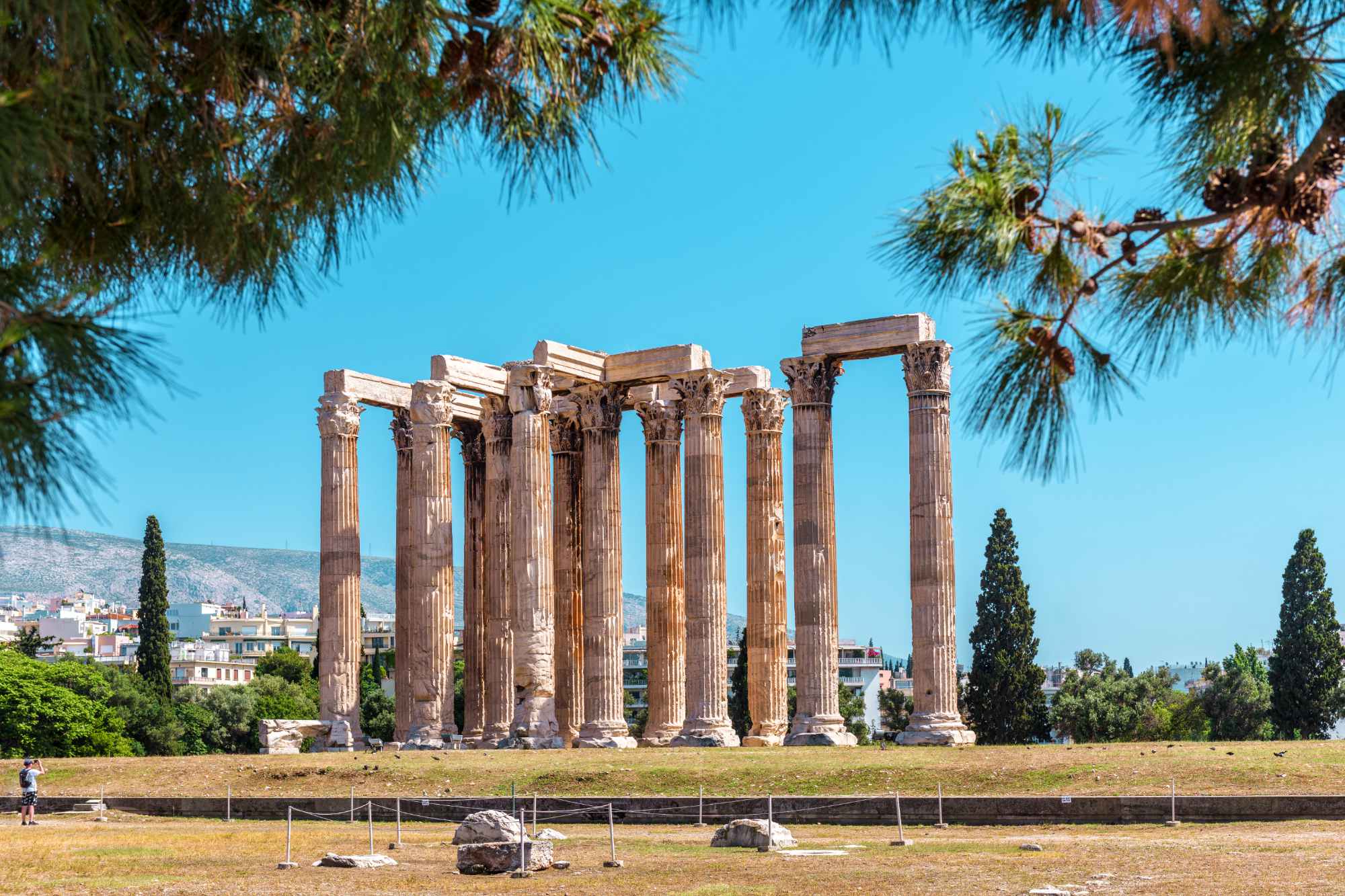
- Get the combined ticket. For €30 (standard adult price as of 2025), the combined ticket covers the Acropolis plus seven other ancient sites: the Ancient Agora, Theatre of Dionysus, Roman Agora, Keramikos, Temple of Olympian Zeus, Hadrian’s Library, and the Lykeion. Valid for 5 days.
- Comfortable shoes are non-negotiable. The Acropolis paths are polished marble — beautiful and genuinely slippery. Real walking shoes, not sandals.
- Start early, rest midday. Athens in summer is hot. Plan your outdoor sightseeing for before noon, take a break from roughly 1–4pm, then re-emerge in the late afternoon when the light is golden and the heat has dropped.
- Download the Athens metro app. The metro is clean, reliable, and gets you most places you need to be. Single ticket: €1.40. Day ticket: €4.10.
Athens Itinerary Day 1: The Acropolis, Ancient City & Monastiraki
Day 1 of this Athens itinerary is built around ancient history — done in the right order, at the right pace, with time to eat well in between.
8:00 AM — The Acropolis
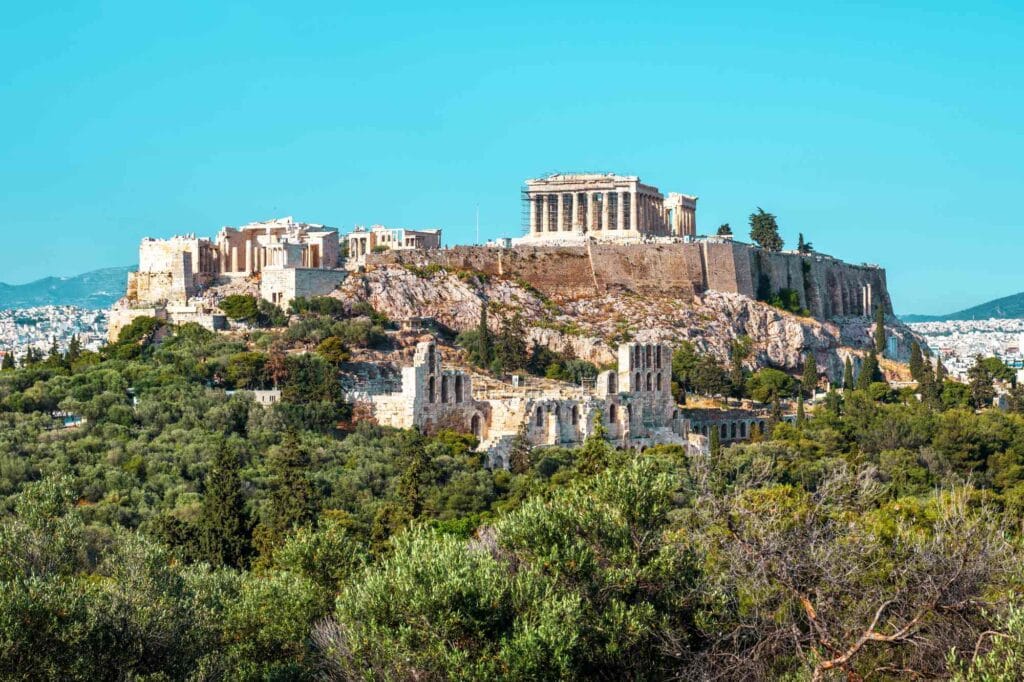
Arrive at the main entrance (Dionysiou Areopagitou street) right as the gates open. At 8am in spring or autumn, you’ll have the site to a fraction of the crowd size you’d face at 10am. Spend 1.5–2 hours up here — the Parthenon, the Erechtheion with its Caryatids, the Propylaea gateway, and the views over the entire city in every direction.
Don’t rush the top. Sit somewhere and just look at it for a few minutes — the scale of what you’re standing next to takes a moment to settle.
10:00 AM — Acropolis Museum
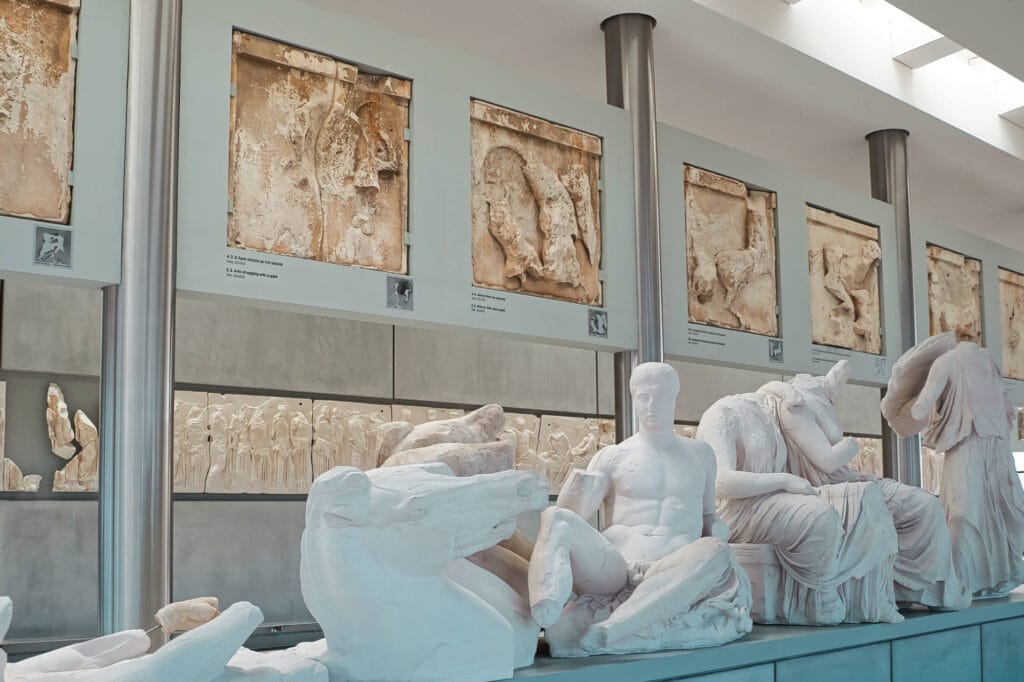
Walk down the hill and straight into the museum at its base. This is where the original sculptures and artifacts from the Acropolis live — the ones that weren’t taken to London. The Parthenon frieze is displayed on the top floor in chronological order, with deliberate gaps where the Elgin Marbles would complete the sequence. It’s subtle and effective.
Allow 1.5–2 hours. The cafe on the second floor has good coffee and views back up toward the Parthenon — worth a short stop before you leave.
12:30 PM — Lunch in Koukaki or Plaka
You’re now in the Koukaki neighbourhood, just south of the Acropolis. This is a good place to eat — more local, less tourist markup than Plaka. Look for a taverna with handwritten menus and mostly Greek-speaking customers. Order moussaka, a Greek salad, and a carafe of house wine.
Alternatively, walk 10 minutes into Plaka if you want the charming old-town setting — just be selective about which restaurant you choose. The ones on the main pedestrian streets vary wildly in quality.
2:00 PM — Rest or Explore Plaka
Use the hottest part of the afternoon wisely. Either retreat to your hotel for an hour, or wander slowly through Plaka — the old town with its narrow lanes, neoclassical buildings, and shaded courtyards. The Tower of the Winds (Roman Agora) is a 5-minute walk and worth a look.
4:00 PM — The Ancient Agora
The ancient marketplace of Athens — the civic heart of the classical city where democracy was debated and commerce conducted. It’s genuinely beautiful in the late afternoon: olive trees, scattered ruins, and the perfectly preserved Temple of Hephaestus standing at the western edge. Far fewer people than the Acropolis, and covered by your combined ticket.
Spend 45–60 minutes here, then exit through the northern gate into Monastiraki.
5:30 PM — Monastiraki Square & the Flea Market
You’re now in the busiest part of tourist Athens, but it’s worth the chaos. Monastiraki Square is surrounded by street food vendors, cafes with Acropolis views, and the permanent shops of the flea market. Have a coffee, browse the stalls, absorb the energy.
7:30 PM — Sunset Walk & Dinner in Psyrri
Walk the pedestrian promenade from Monastiraki toward Thissio — the wide pathway that runs around the base of the Acropolis Hill, lined with cafes and open views up to the Parthenon. The light at this hour is extraordinary.
Dinner in Psyrri, the neighbourhood just north of Monastiraki. The streets here are full of tavernas — some excellent, some tourist bait. Walk a few blocks in from the main square before choosing. Grilled meats, fresh bread, and a half-litre of retsina is the standard order.
Athens Itinerary Day 2: Museums, Neighbourhoods & the Food Scene
Day 2 of the Athens itinerary slows down a little — less iconic sightseeing, more of the city that locals actually live in.
9:00 AM — National Archaeological Museum
The best collection of ancient Greek artifacts on earth — and genuinely impressive even if you’re not a history person. The gold death masks from Mycenae (including the one Heinrich Schliemann mistakenly called the Mask of Agamemnon), the bronze Artemision Jockey in full gallop, the volcanic frescoes from the island of Thera. These aren’t just historical objects — they’re extraordinary things.
The museum is about 20 minutes by metro from central Athens (Omonia or Victoria station). Go early — it gets busy by mid-morning. Allow 2–3 hours for a proper visit, or 90 minutes if you move with purpose.
12:30 PM — The Central Market (Varvakios Agora)
On your way back toward the centre, stop at the Athens Central Market on Athinas Street — a covered market that’s been in operation since 1886. The meat hall is intense (not for the squeamish), the fish hall is magnificent, and the surrounding streets are lined with shops selling spices, olives, honey, and every variety of Greek cheese. Good for food souvenirs, or just for the sensory experience of a real working market.
1:30 PM — Lunch at Diporto Agoras
Just a 2-minute walk from the Central Market. Diporto is a basement taverna that’s been open since the 1950s and operates almost exactly as it did then: no printed menu, wine poured from the barrel into enamel cups, simple dishes decided by what the kitchen has that day. You’ll likely share a table with strangers. It’s one of the great authentic eating experiences in Athens — inexpensive and unlike anywhere else.
Note: Diporto closes in the early afternoon and doesn’t take reservations. Arrive before 2pm.
3:00 PM — Kolonaki & Lycabettus Hill
Head to Kolonaki — the upscale neighbourhood east of Syntagma. Browse the boutiques, find a good coffee, and then make your way up Lycabettus Hill. Take the funicular from the top of Plutarchou Street (runs frequently, reasonable price), or walk up if the heat has dropped — it’s about 25 minutes of steady uphill.
The view from the top is the best 360-degree panorama of Athens: the city spreading in every direction, the coast to the south, the Acropolis below you, the islands in the distance on clear days. Time it for the hour before sunset.
6:30 PM — Syntagma & the Changing of the Guard
On your way back down to the centre, pass through Syntagma Square. The Changing of the Guard at the Tomb of the Unknown Soldier happens on the hour, every hour — the Evzone guards in their traditional uniform perform a slow, deliberate ceremony that’s genuinely worth watching once. The full ceremony with the full regiment happens on Sundays at 11am.
8:00 PM — Dinner with an Acropolis View
Your last evening in Athens (if you’re on a 2-day plan) deserves something memorable. Several rooftop restaurants and bars around Monastiraki and Thissio have direct Acropolis views — the hill is illuminated at night and genuinely spectacular from a rooftop table.
Tzitzikas kai Mermigas (Monastiraki) is a reliable, locally-popular choice for modern Greek mezedes. Book ahead for evenings.
Day 3 (Optional): Day Trip or Slow Athens
If you have a third day, you have a choice: go further, or go slower.
Option A: Day Trip to Cape Sounion or Delphi
Cape Sounion (1.5 hrs from Athens) is one of the great drives in Attica — coastal road, sea views, and the Temple of Poseidon at the tip of the peninsula. Go in the late afternoon for sunset over the Aegean. A half-day trip.
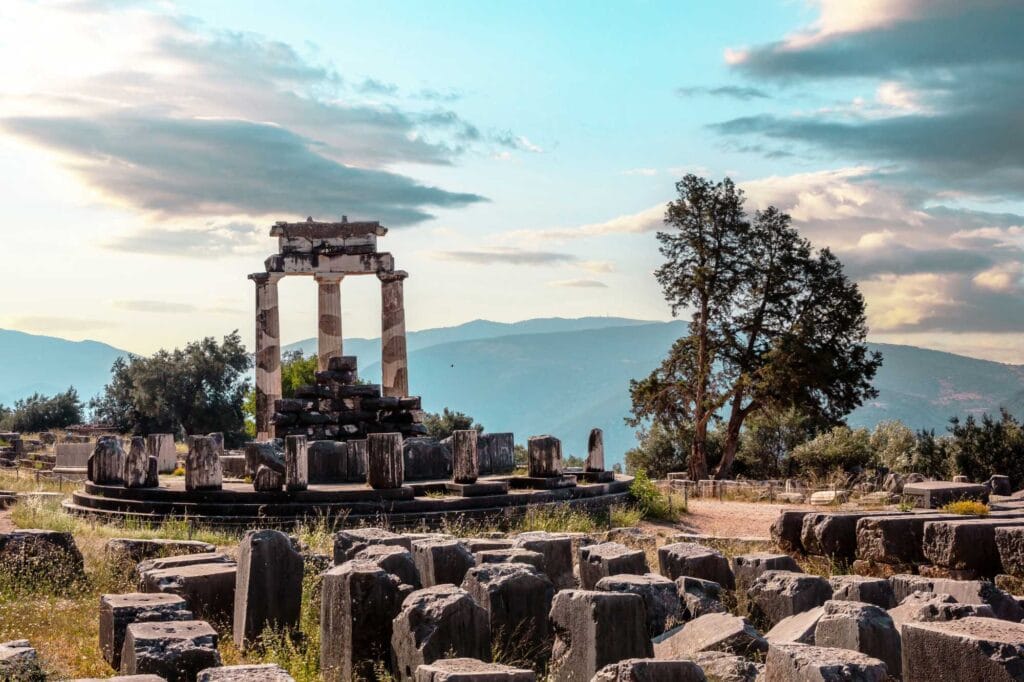
Delphi (2.5 hrs from Athens) is a full day but extraordinary: the sanctuary of Apollo, the ancient oracle site, perched on the steep slopes of Mount Parnassus with views down to the Gulf of Corinth. Rent a car or join a guided day trip from Athens. See our full day trips guide for logistics and tips.
Option B: The Slow Day — Athens without a Plan
Morning at a Kolonaki coffee shop with no agenda. The Benaki Museum or the Byzantine & Christian Museum if you’re curious — both excellent, rarely crowded, and within walking distance of each other. Lunch in Pangrati or Mets, neighbourhoods east of the centre that feel genuinely residential. Afternoon at the National Garden (free, peaceful, enormous). Finish with a long dinner at a proper Athenian restaurant.
The slow day is underrated. Athens rewards wandering.
Where to Stay in Athens
For this 2–3 day Athens itinerary, staying central makes everything easier. The neighbourhoods within easy walking distance of the Acropolis are the most practical base:
- Monastiraki / Psyrri: Best location for sightseeing, busiest at night. Range from mid-range to boutique.
- Plaka: Most charming, slightly quieter, Acropolis views from some rooftops. Tends to be pricier.
- Koukaki: South of the Acropolis, more local feel, better value. 10-minute walk to the Acropolis Museum.
- Kolonaki: Quieter, upscale, great restaurants nearby. 15–20 minutes on foot to the ancient sites.
For specific hotel picks at every price point, see our full Athens hotels guide
Explore More About Athens
- Athens Travel Guide: Everything You Need to Know
- Best Restaurants in Athens: Where to Eat Like a Local
- Best Hotels in Athens: From Budget to Luxury
- Delphi, Meteora & Day Trips from Athens [
- Getting Around Greece: Ferries, Flights & Cars
- 7 Days in Greece: The Perfect One-Week Itinerary
FAQ
Is 2 days enough for Athens?
Two days is enough to see the main highlights — the Acropolis, the Acropolis Museum, the Ancient Agora, and some good neighbourhood time. You won’t see everything, but you’ll leave with a real sense of the city. Three days is better if you want more breathing room or a day trip.
What is the best time to visit the Acropolis?
The 8am opening slot, always. You get the site with a fraction of the crowd, the air is still cool, and the light is softer. By 10am in summer the tour groups arrive in force and the temperature climbs fast. Book your timed entry ticket online at least a few days ahead in peak season.
How do I get around Athens on this itinerary?
Mostly on foot. Day 1 is almost entirely walkable if you’re based in central Athens — the Acropolis, Acropolis Museum, Ancient Agora, and Monastiraki are all within a 20-minute radius. On Day 2, the metro gets you to the National Archaeological Museum in 20 minutes (Omonia/Victoria station). Taxis and rideshare apps are cheap for longer distances or late evenings.
What is the combined Acropolis ticket and is it worth it?
The combined ticket (around €30) covers the Acropolis plus seven other ancient sites in Athens. It’s valid for 5 days, which means it works for both 2-day and 3-day visits. If you follow this itinerary and visit the Ancient Agora on Day 1 and the Temple of Olympian Zeus at some point, you’ll easily get the value from it.
Can I visit Athens and the islands in one trip?
Yes — it’s the most common way to visit Greece. A typical structure is 2 days in Athens, then ferry from Piraeus to the islands (Santorini, Mykonos, or others), then fly back to Athens at the end. For a full route plan, see our Athens to Santorini guide [LINK: /itineraries/athens-to-santorini/] or our 7-day Greece itinerary [LINK: /itineraries/7-days-greece/].
What should I not miss in Athens?
The Acropolis at 8am, the Acropolis Museum (more impressive than most people expect), the Ancient Agora (far less crowded and genuinely beautiful), the National Archaeological Museum, and one honest meal at a neighbourhood taverna that’s not on the main tourist street. Add the Lycabettus Hill sunset if the schedule allows.
Is Athens good for solo travellers?
Very. Athens is an easy city to navigate solo — walkable, safe in tourist areas, friendly, and with a strong coffee culture that makes solo mornings with a book genuinely enjoyable. The food scene is also better for solo diners than many cities; mezedes (shared plates) can be ordered individually, and tavernas are generally welcoming at any hour.
Ready to Book Your Athens Trip?
Accommodation first — then the Acropolis ticket. Everything else falls into place around those two.