Greek Islands Guide: How to Choose the Best Island for Your Trip
Here’s the question we get more than any other: which Greek island should I go to?
It sounds simple. It isn’t. Greece has over 6,000 islands — around 200 of them inhabited — and each one feels like a completely different world. Santorini is cinematic sunsets and cliffside infinity pools. Crete is ancient gorges and real tavernas. Mykonos is beach clubs and cosmopolitan energy. Paros is the version of Greece your friends haven’t discovered yet.
The good news: there’s no wrong choice. The even better news: this guide will help you stop scrolling and actually decide. We’ve broken down the Greek islands by vibe, crowd level, best season, and who each island suits best — so you can match the right island to your trip.
How the Greek Islands Are Organized
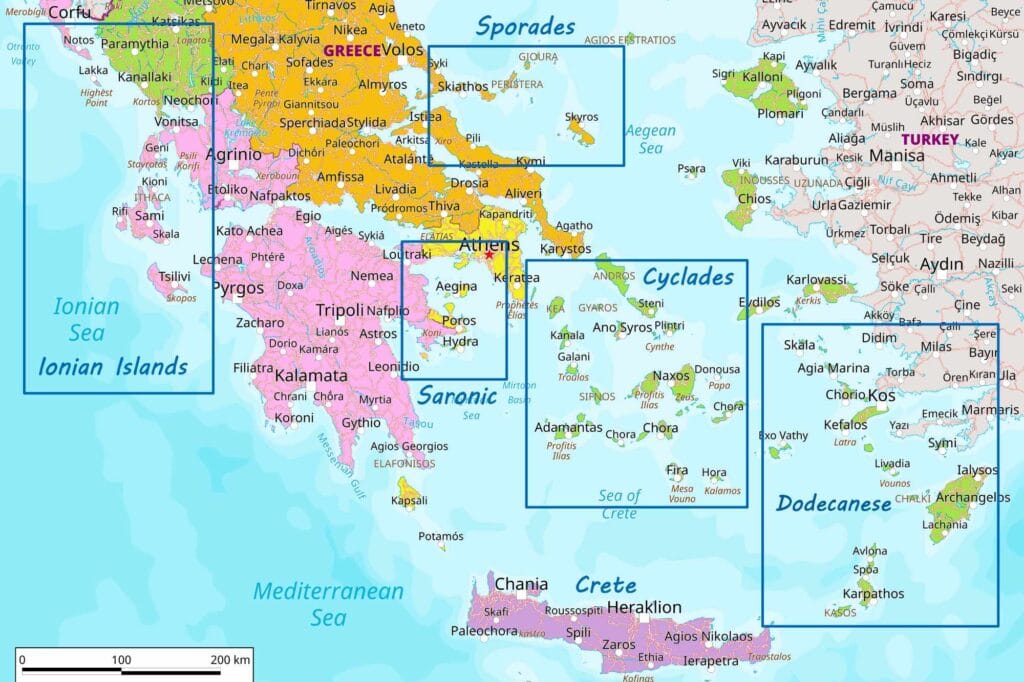
Greece’s islands are grouped into island chains, and knowing these groups helps you plan island-hopping routes and understand geography.
The Cyclades
The most iconic chain. This is where you’ll find Santorini, Mykonos, Paros, Naxos, Milos, and Folegandros. The Cyclades are known for whitewashed villages, deep blue sea, and that classic postcard image of Greece. Ferry connections between islands are excellent in summer.
The Dodecanese
Stretched along the Turkish coast, this chain includes Rhodes, Kos, Patmos, and Symi. More history, more medieval old towns, slightly longer ferry rides from Athens. Rhodes is the crown jewel here.
The Ionian Islands
On the west coast — Corfu, Zakynthos, Kefalonia, Lefkada. Greener, lusher, and less arid than the Cyclades. The vibe is softer, the landscapes more dramatic with forests meeting the sea. Excellent for families and nature lovers.
Crete
In a category of its own. Crete is Greece’s largest island and essentially a destination unto itself — with its own cuisine, its own dialect, and enough variety to fill a two-week trip. It sits between the Aegean and the Libyan Sea, and no two corners feel the same.
The Saronic Gulf Islands
Just a short ferry from Athens: Hydra, Aegina, Poros, Spetses. Perfect for a weekend escape from the city — civilized, beautiful, and overlooked by most international travelers.
The Most Popular Greek Islands (and Who They’re For)
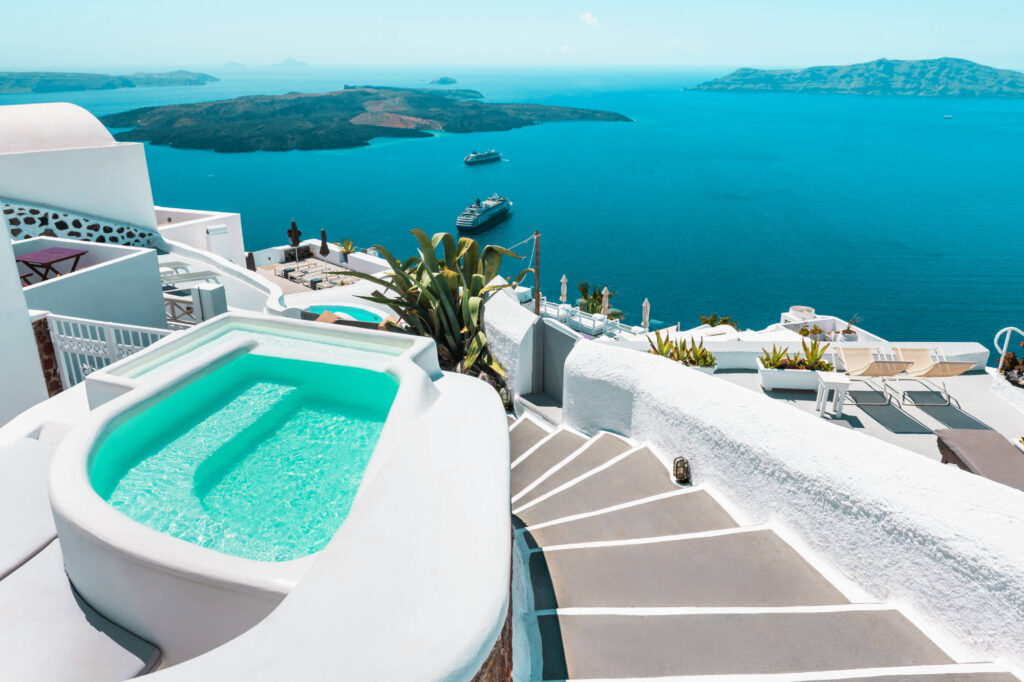
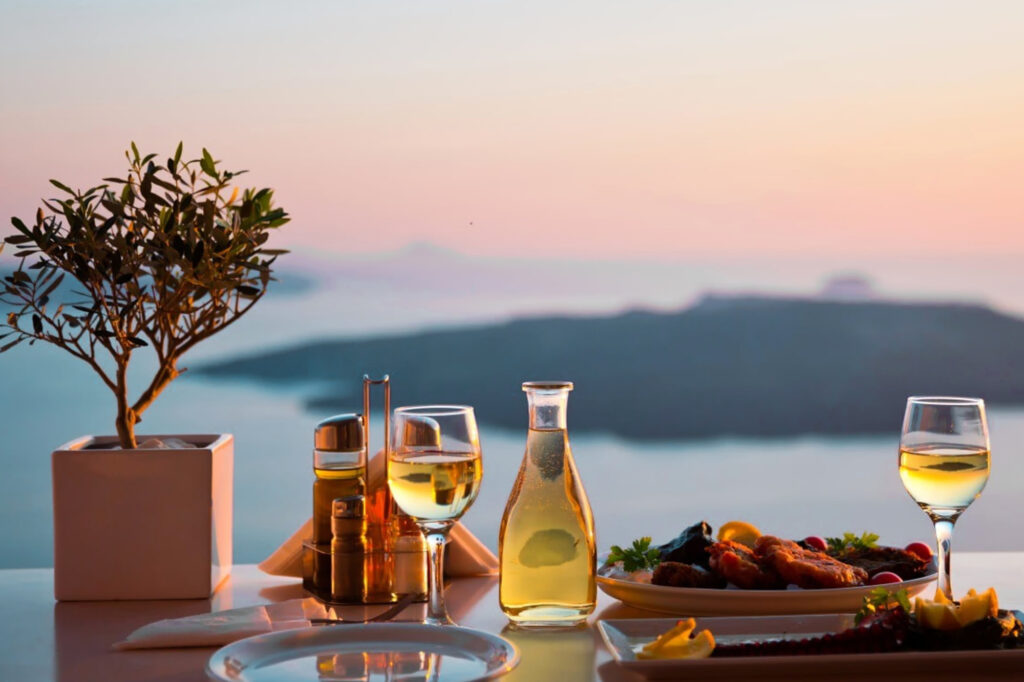
Santorini
Best for: couples, romantic trips, honeymoons, photography
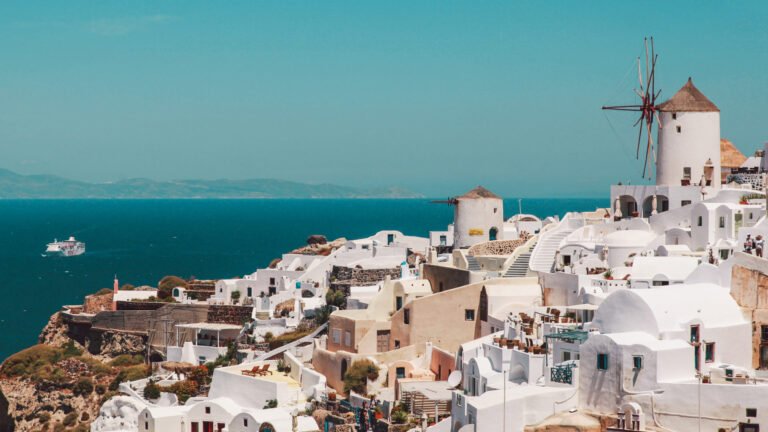
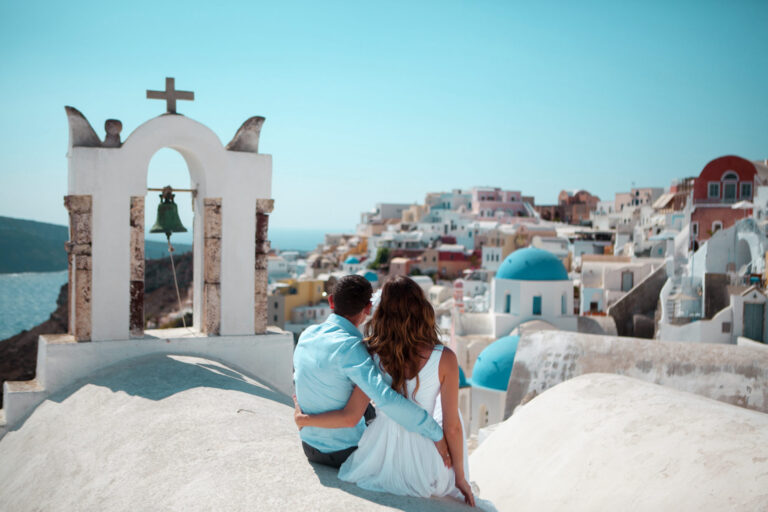
Santorini is built on the rim of a volcanic caldera, which is why the views are unlike anywhere else on earth. The sunset from Oia is one of the most photographed in the world — and yes, it lives up to the hype. The island has excellent boutique hotels, world-class restaurants, and a string of volcanic beaches unlike anything in the Cyclades.
The trade-off: it’s expensive, it gets crowded in July–August, and it’s not particularly beach-heavy. But for a romantic, indulgent trip — this is the one.
→ Full guide: Santorini Travel Guide
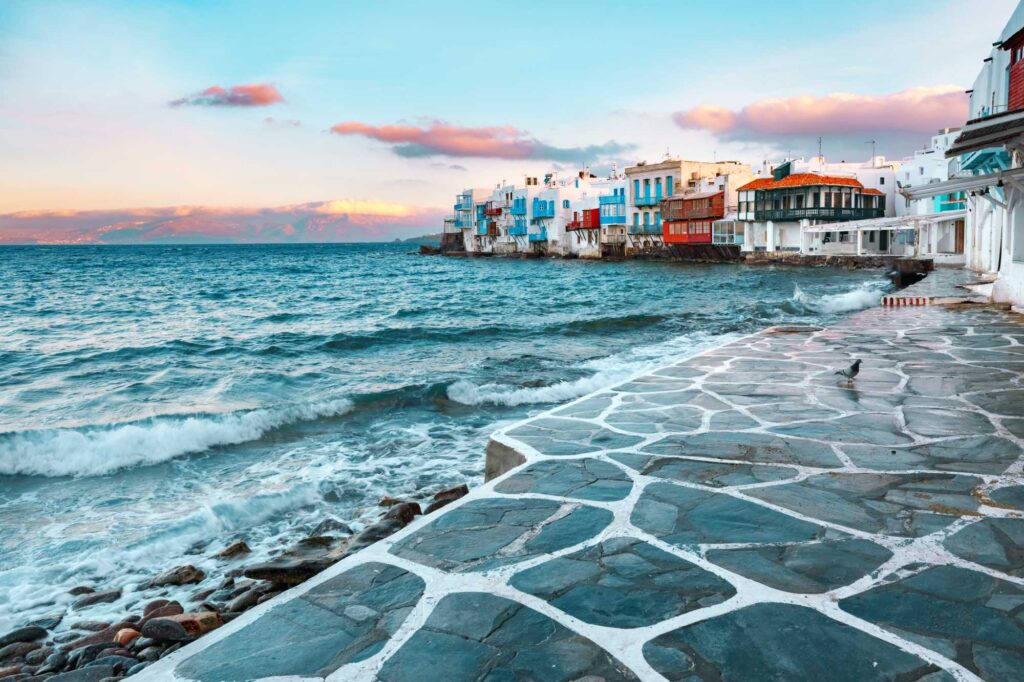
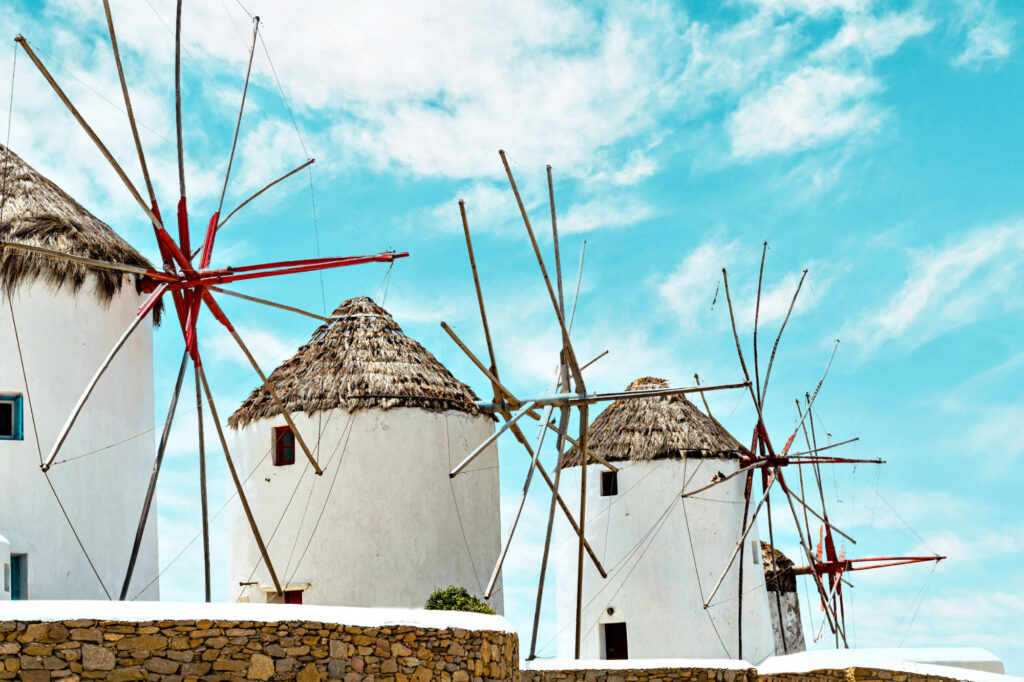
Mykonos
Best for: party-lovers, LGBTQ+ travelers, beach clubs, cosmopolitan vibes
Mykonos has two sides. The first is the beautiful, whitewashed Little Venice quarter and the iconic windmills — genuinely charming. The second is the beach club scene, with Nammos and Paradise Beach drawing an international crowd that parties until sunrise. Both can coexist on the same trip.
It’s pricey — possibly the most expensive island in Greece — and can feel overwhelming in peak season. But if nightlife or cosmopolitan energy is on your list, nowhere else in Greece comes close.
→ Full guide: Mykonos Travel Guide
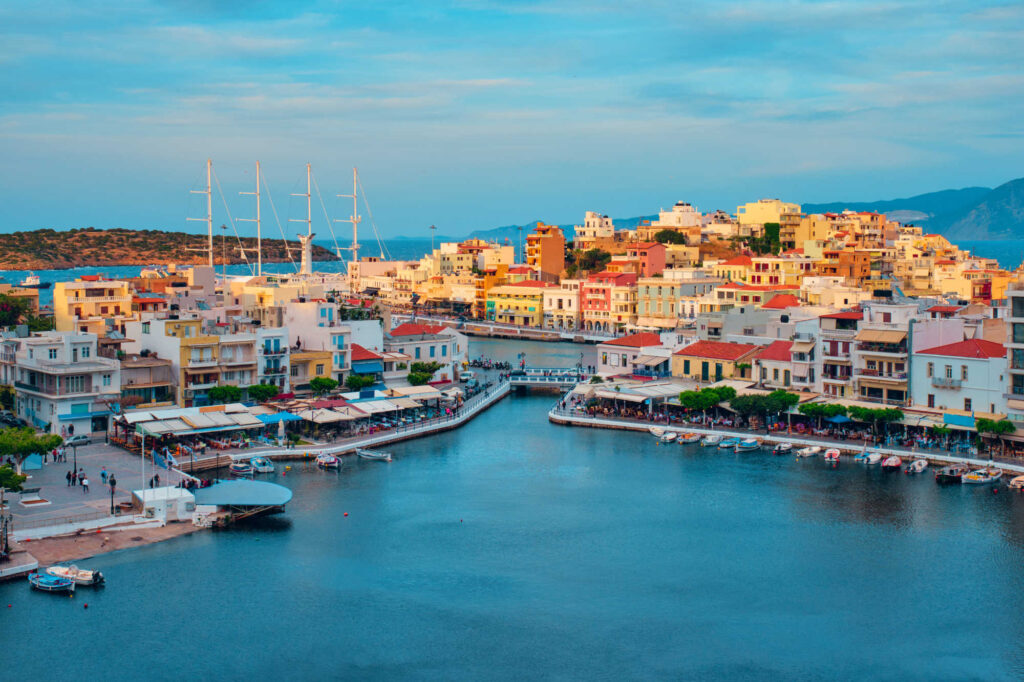
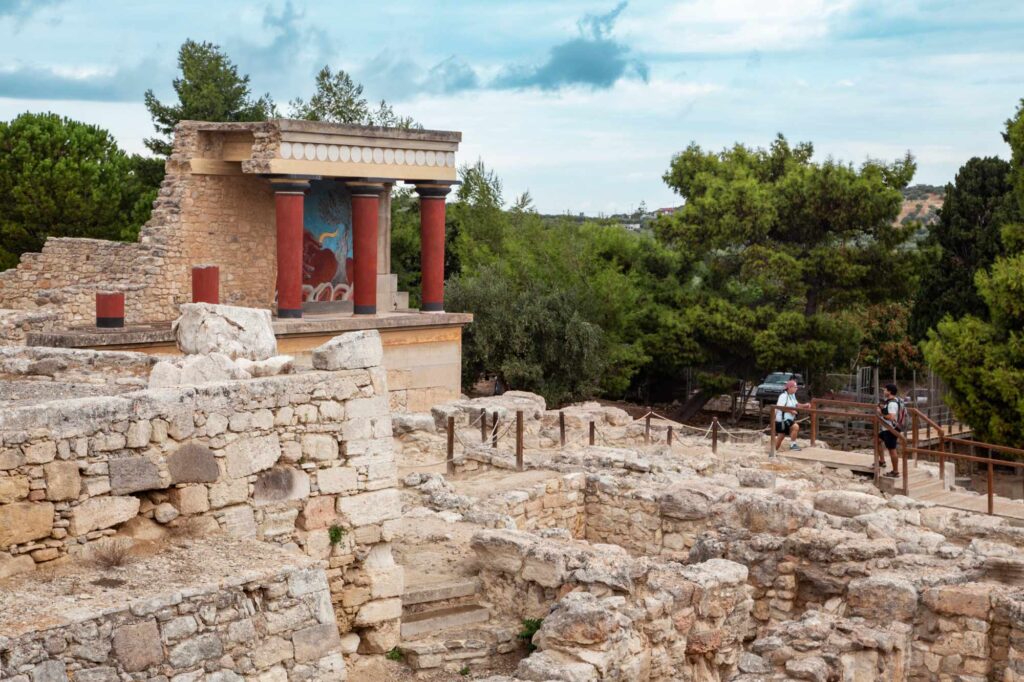
Crete
Best for: families, first-time visitors, food lovers, history buffs, hikers
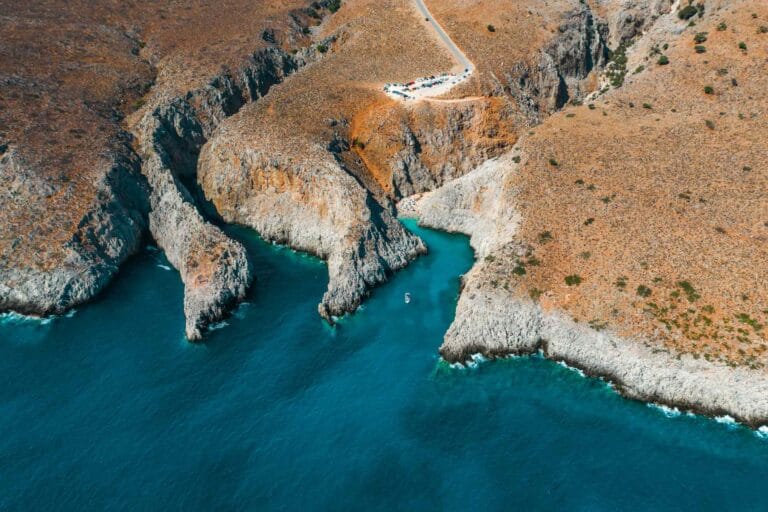
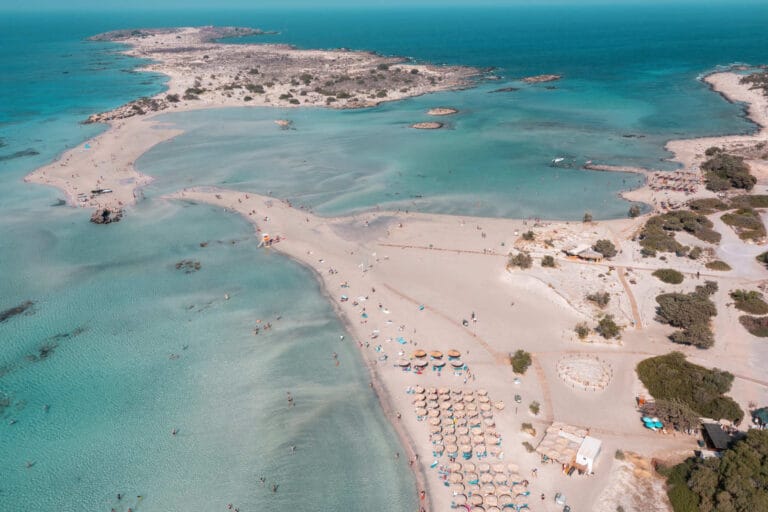
Crete is Greece’s most versatile island. You get ancient Minoan ruins, the Samaria Gorge (one of Europe’s best hikes), long sandy beaches perfect for families, and a food culture that’s considered the best in the country. The island is big enough that you can escape the crowds if you venture to the west or south coasts.
Crete is also among the better-value destinations in Greece — you can eat extraordinarily well here without spending a fortune.
→ Full guide: Crete Travel Guide | Crete with Kids
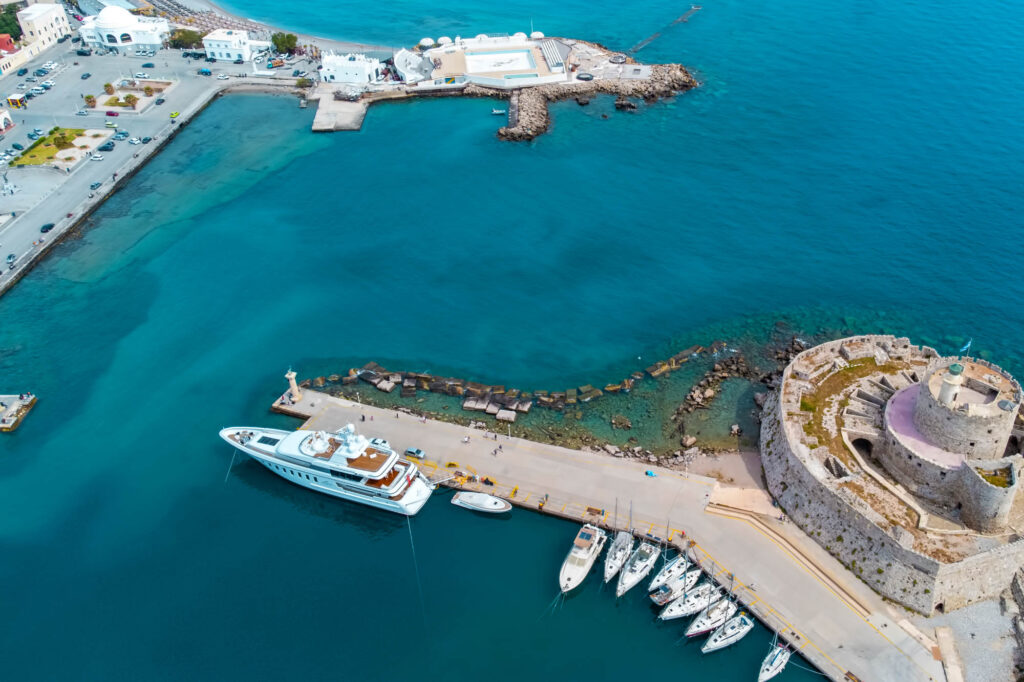
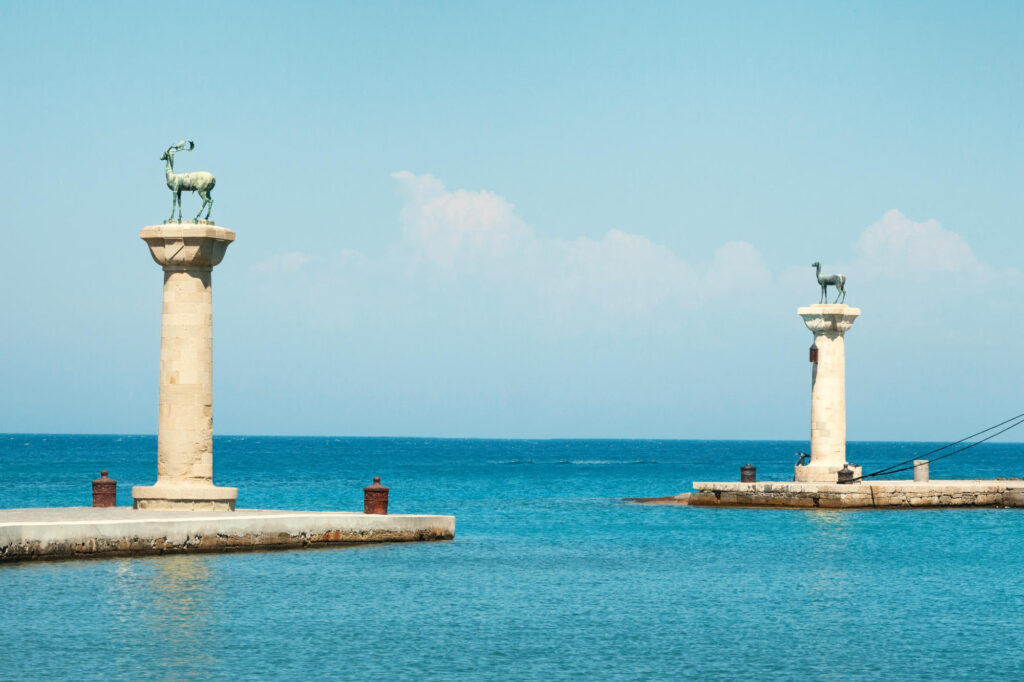
Rhodes
Best for: history lovers, families, beach + culture mix
Rhodes has one of the best-preserved medieval old towns in all of Europe — a UNESCO World Heritage Site — and it surrounds it with some of the longest stretches of sandy beach in the Aegean. The island is large, well-connected, and has a strong tourism infrastructure that makes it easy for first-timers.
It’s not as glamorous as Santorini or Mykonos, but for a well-rounded trip with history, beach, and good food, Rhodes delivers reliably.
→ Full guide: Rhodes Travel Guide
Paros
Best for: couples, young travelers, surfers, those wanting authenticity without the crowds
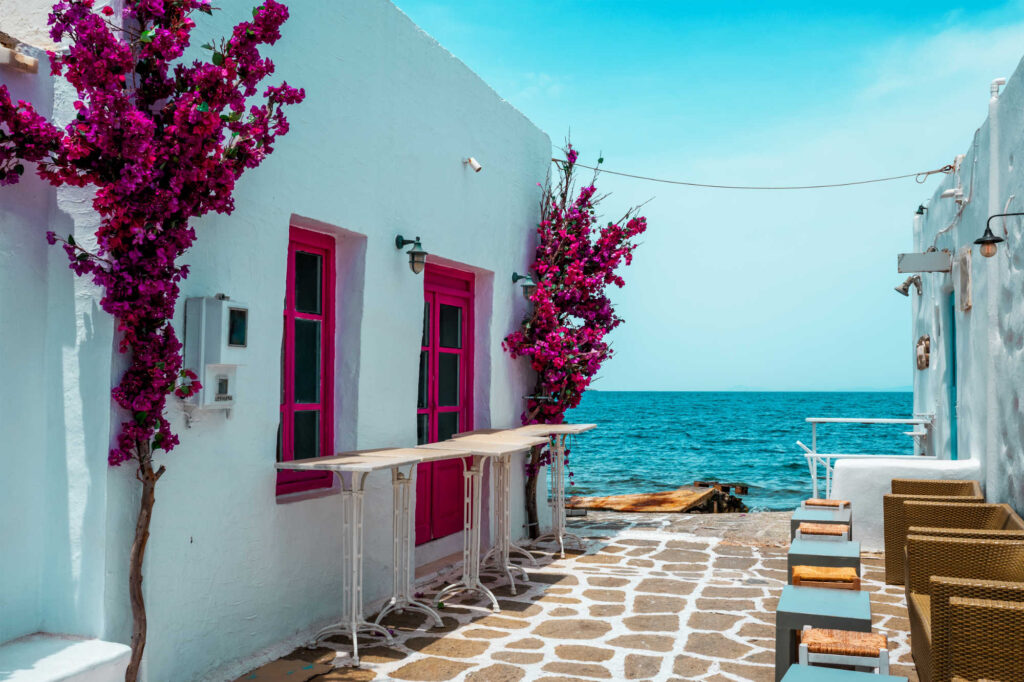
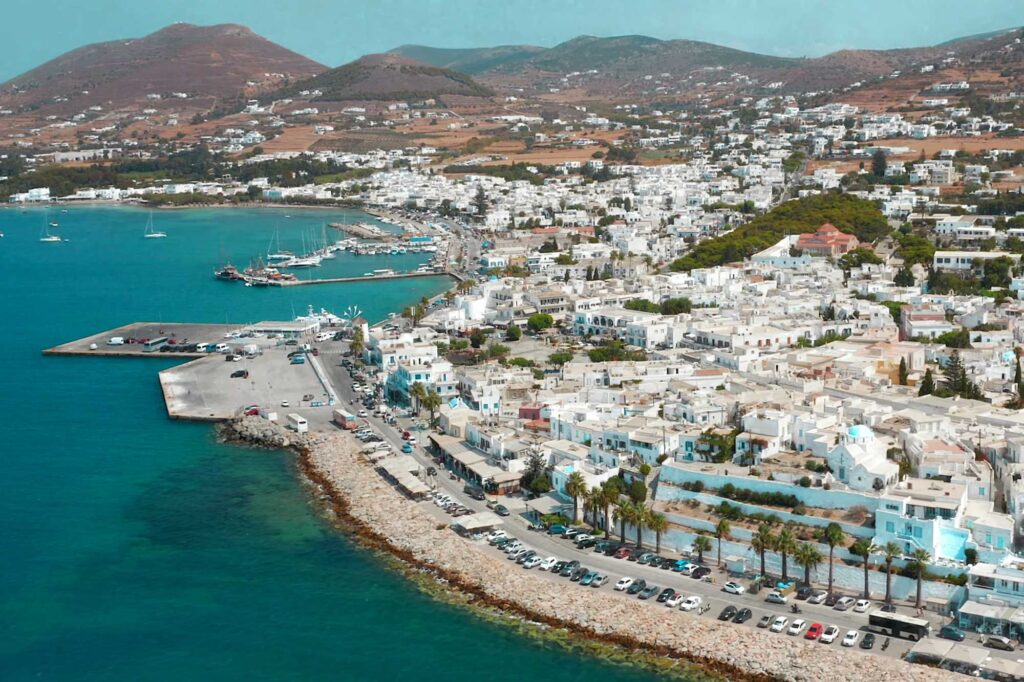
Paros sits in the heart of the Cyclades and is often described as Mykonos without the excess — similar beauty, better prices, more local character. Naoussa is one of the most charming fishing villages in the Aegean. Golden Beach draws windsurfers from across Europe. The nightlife exists but doesn’t overwhelm.
It’s also a perfect base for island-hopping, with ferry connections to Naxos, Santorini, Milos, and Ios.
→ Guide: Paros & Naxos — Two Hidden Gems
Corfu
Best for: families, nature lovers, British and Italian history, green landscapes
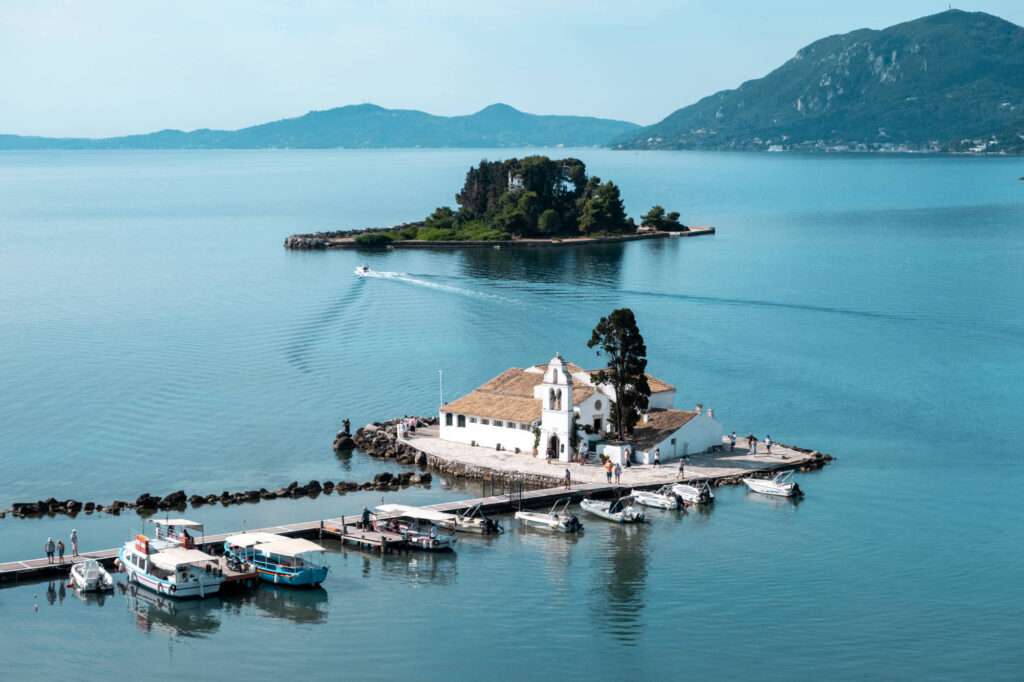
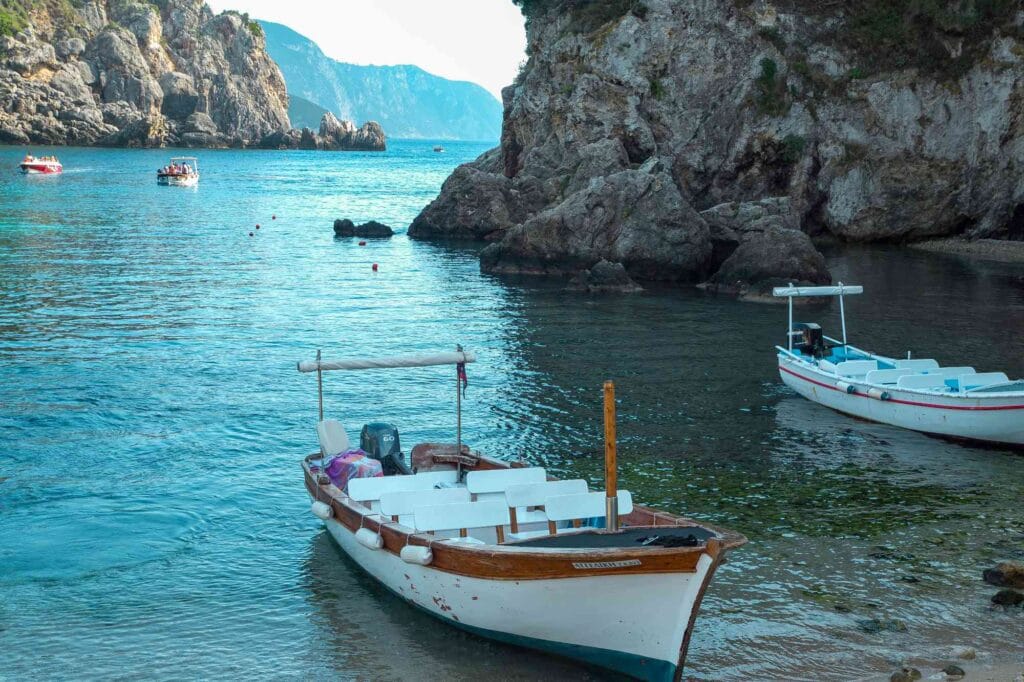
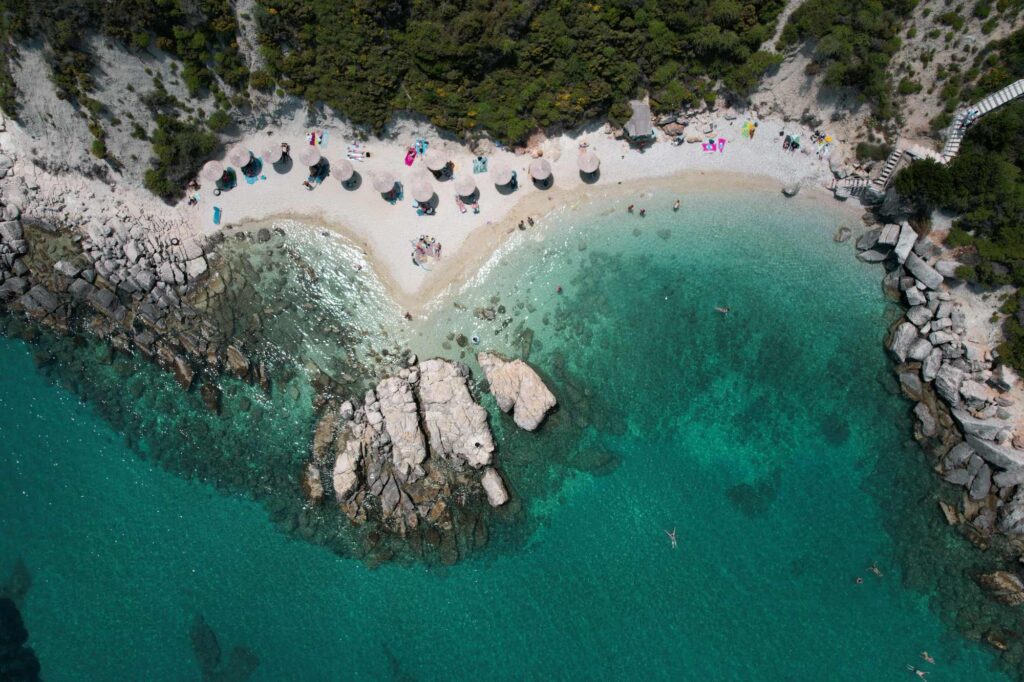
Corfu is the greenest of the major Greek islands — covered in olive groves and cypress trees, with a dramatic coastline that drops into impossibly blue water. The Venetian Old Town is a UNESCO World Heritage Site. The northern coast has some of the most dramatic beaches in Greece.
It’s a different visual language from the Cyclades, and that’s exactly what makes it worth visiting.
→ Full guide: Corfu Travel Guide
Zakynthos
Best for: beach lovers, boat trip enthusiasts, younger travelers, Instagram content
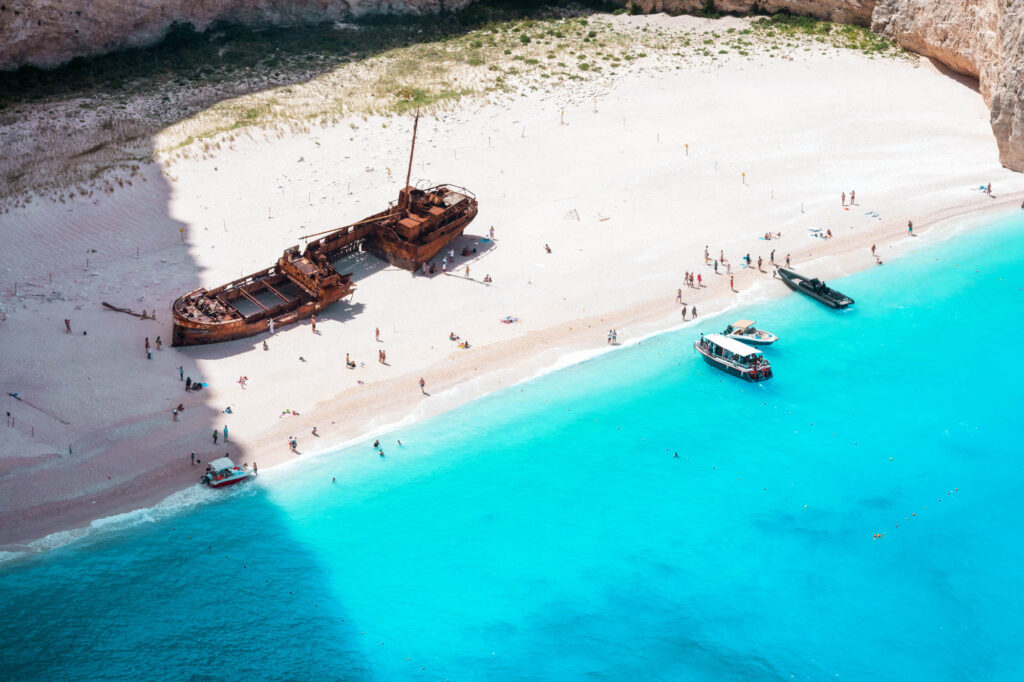
Navagio Beach — the shipwreck cove — is one of the most photographed beaches on earth. Zakynthos built its reputation on that single image, but the island has more to offer: loggerhead sea turtle nesting sites, boat caves with electric-blue water, and a lively nightlife scene in Laganas.
It does attract a rowdy crowd in peak season, so choose your base wisely — the north and east coasts are more peaceful.
→ Full guide: Zakynthos Guide
Hidden Gems Worth Considering
Naxos
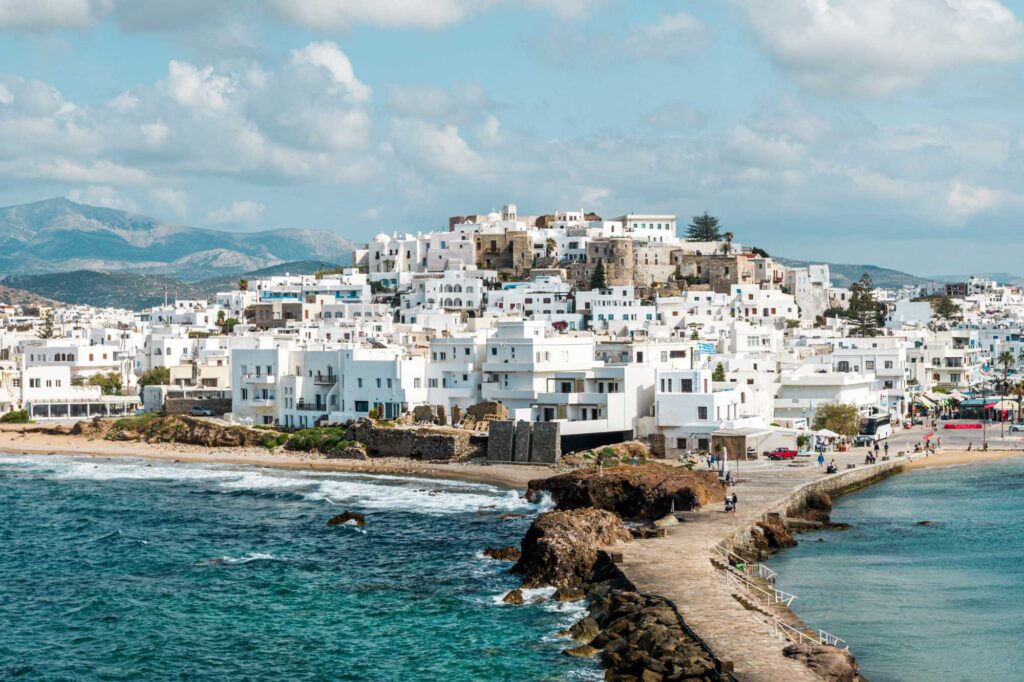
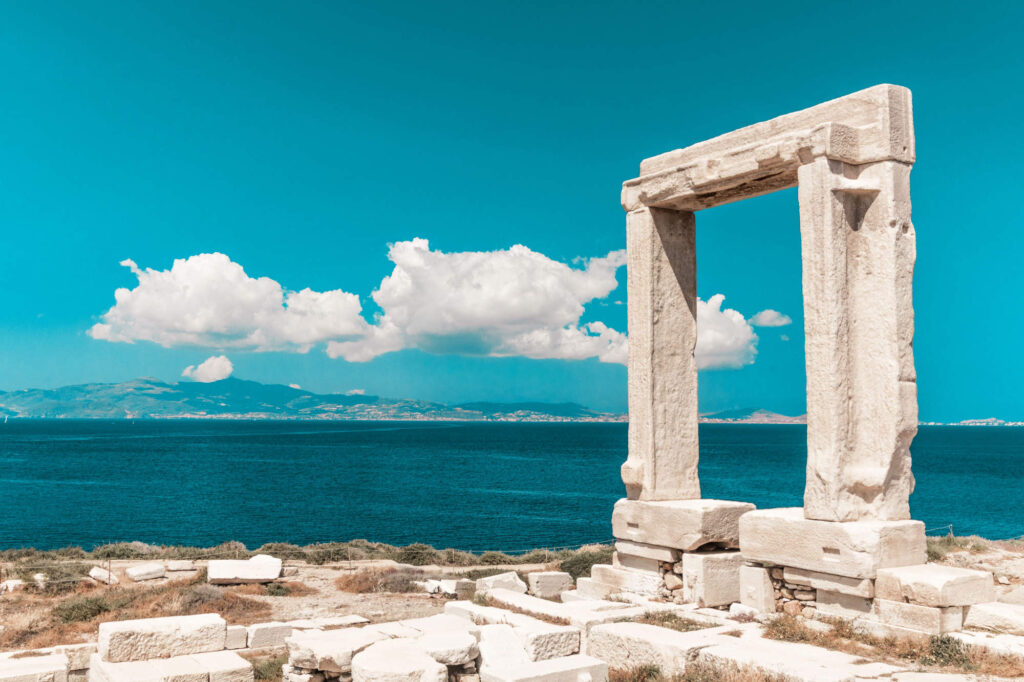
The largest of the Cyclades and arguably the most underrated. Naxos has pristine beaches, a dramatic Venetian castle in the main town, a fertile interior full of mountain villages, and the longest stretches of fine sand in the Cyclades. It’s also cheaper than its neighbors and far less overrun.
Milos
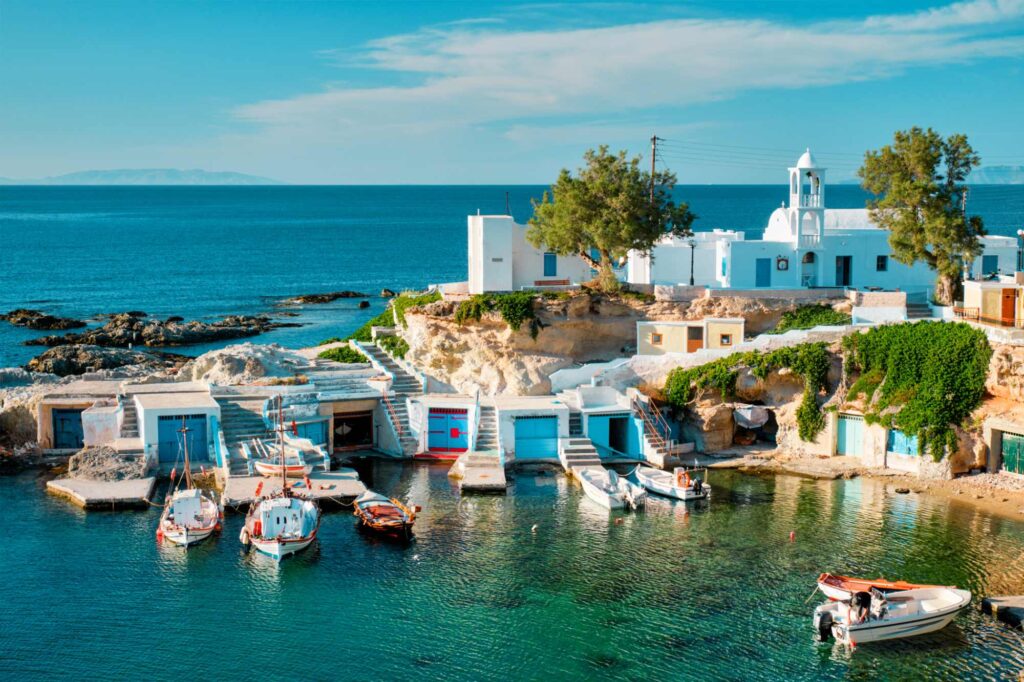
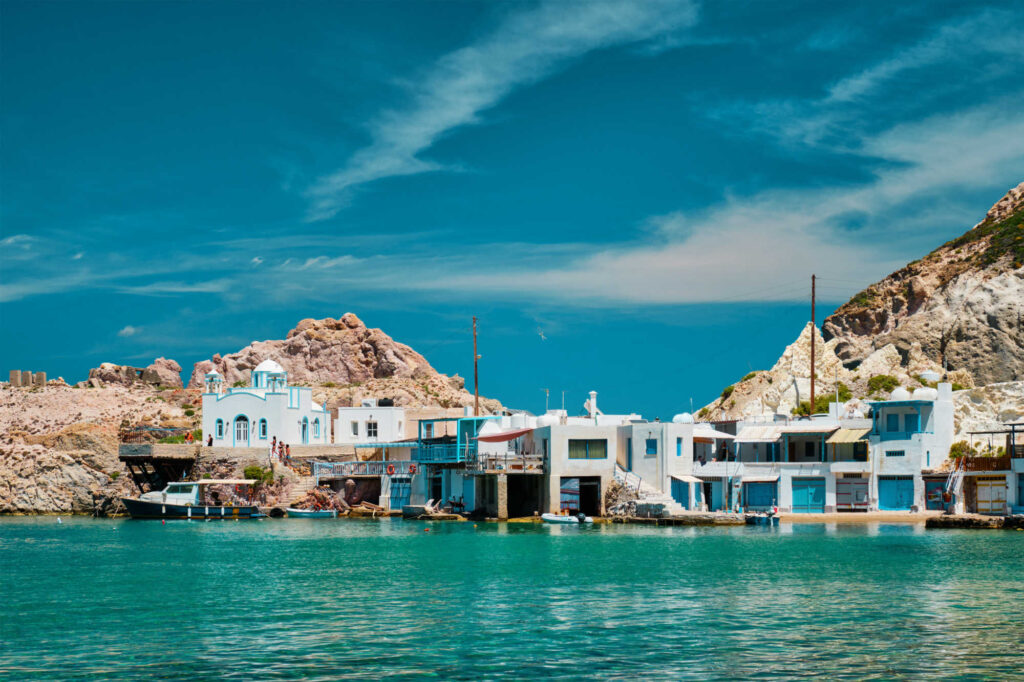
Often called the ‘most beautiful beaches in Greece’ — a bold claim that holds up. Milos is a volcanic island with otherworldly rock formations, dozens of hidden coves only accessible by boat, and a raw, slightly wild character that stands apart from the polished Cyclades circuit.
Hydra
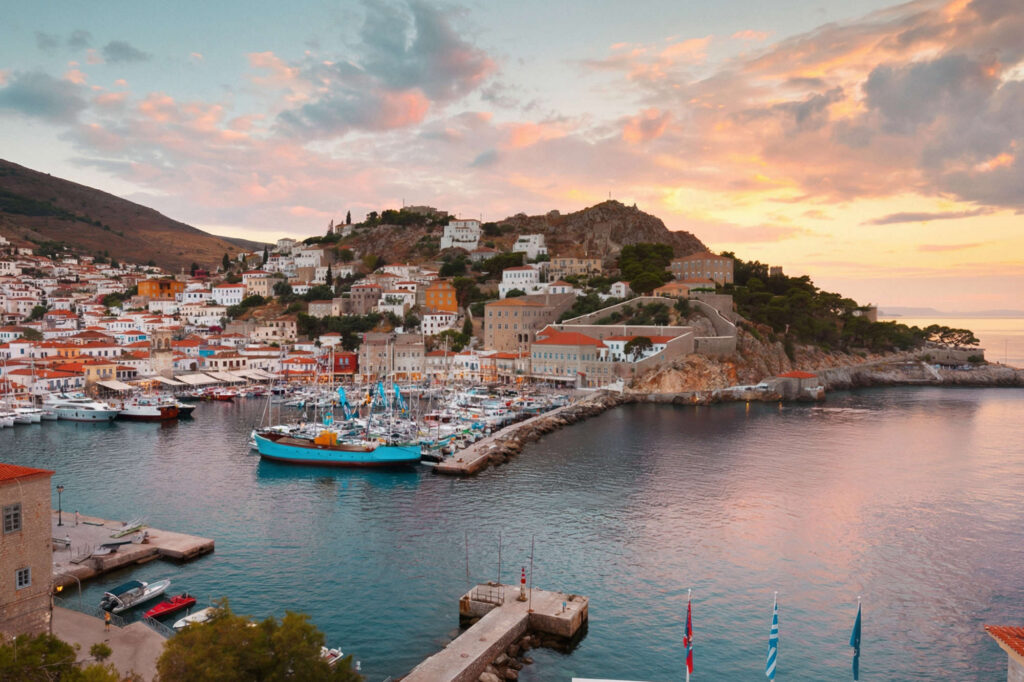
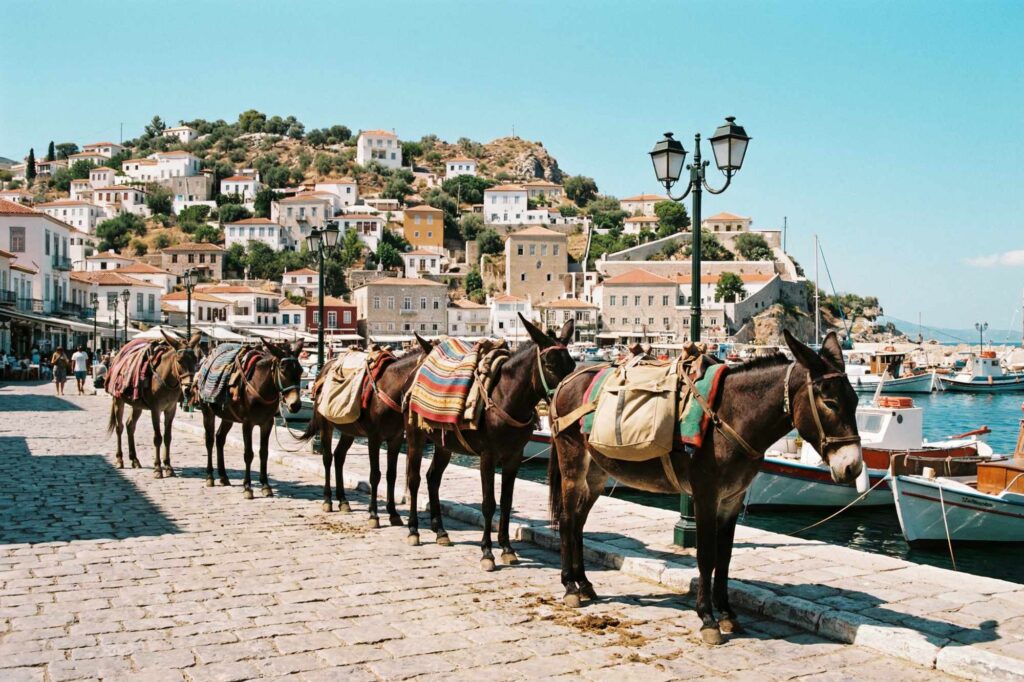
No cars. No motorbikes. Just donkeys, stone paths, and the sound of the sea. Hydra is a 90-minute ferry from Athens and feels like time travel. Artists and architects have been coming here for decades. There’s no beach to speak of, but the atmosphere is unmatched for a weekend escape.
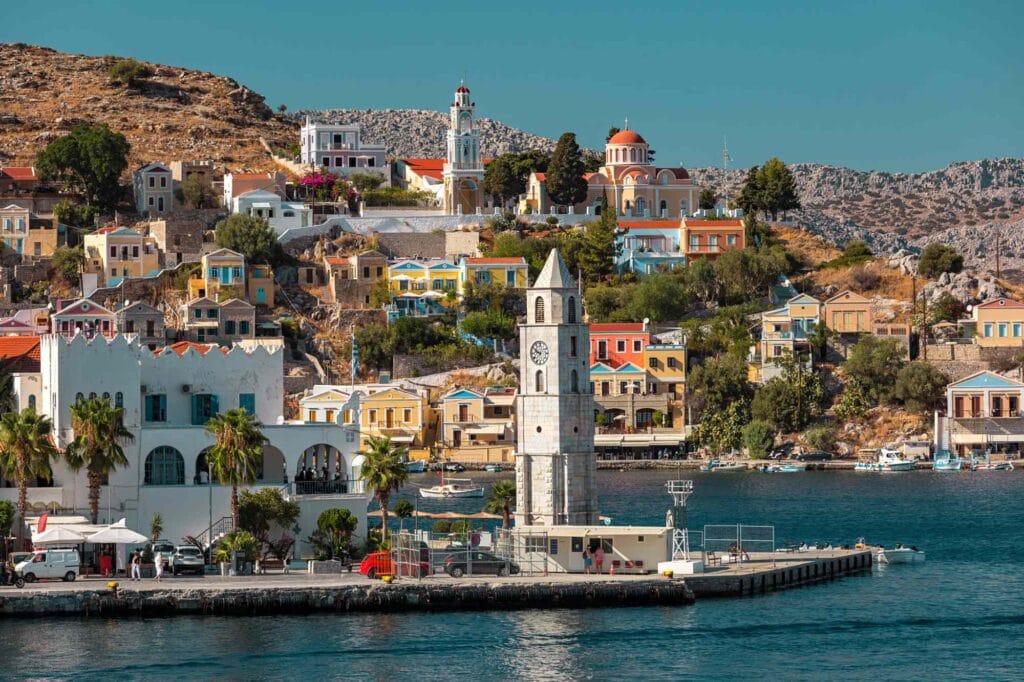
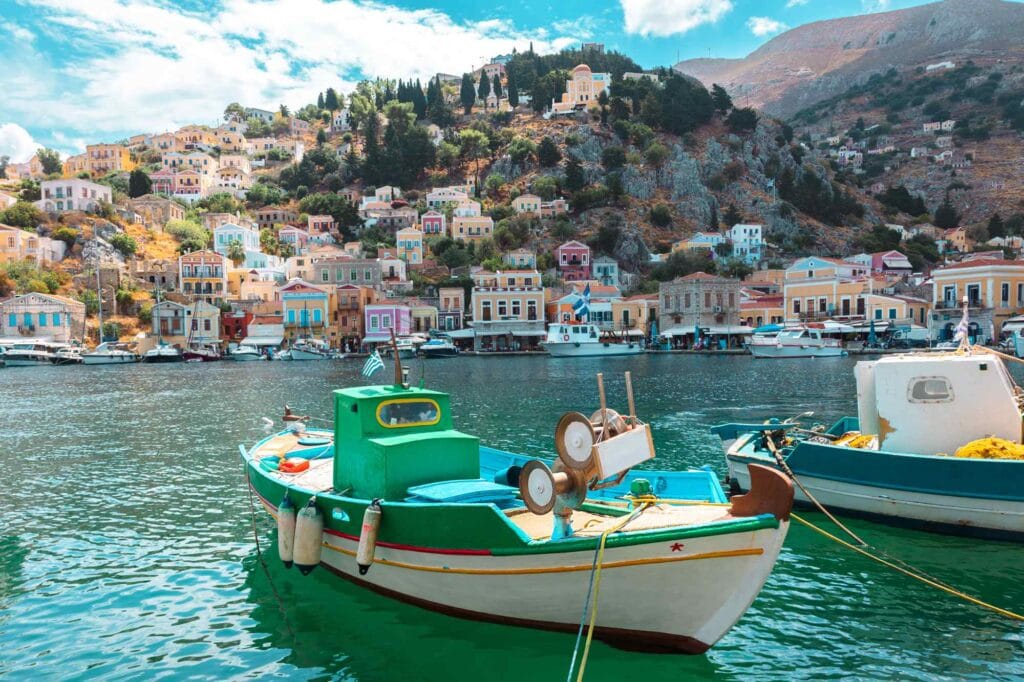
Symi
A tiny Dodecanese island near Rhodes with a harbor framed by pastel neoclassical mansions — one of the most beautiful arrival moments anywhere in Greece. It’s quiet, deeply Greek, and perfect for two or three slow days.
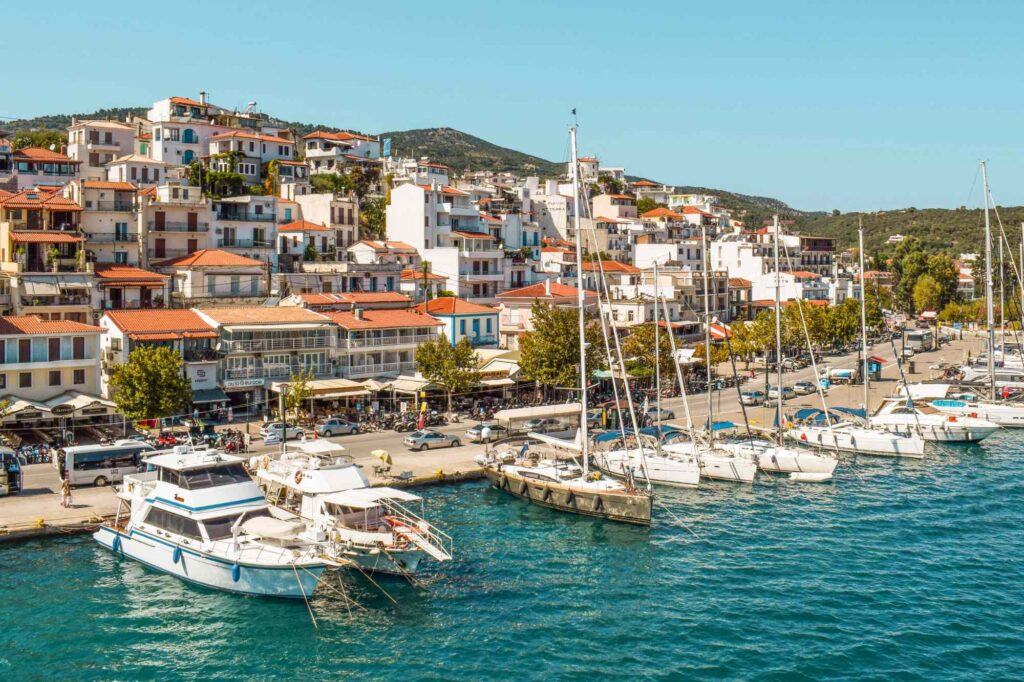
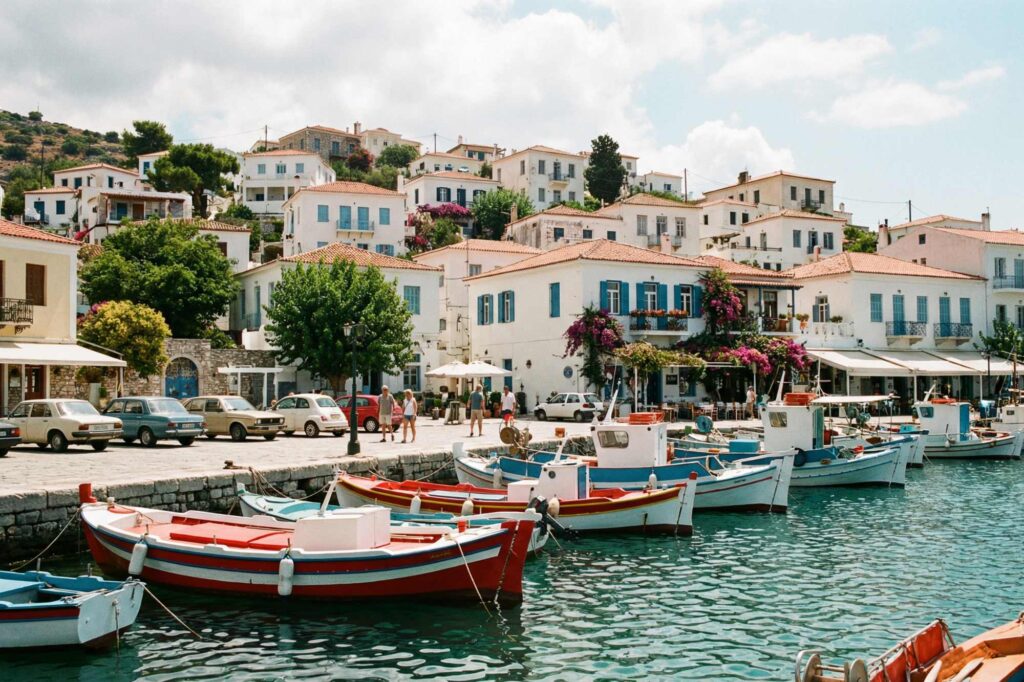
Skiathos
A small Sporades island where pine forests run straight to the water and the beaches are the kind you find on postcards. It’s greener and softer than the Cyclades — less dramatic, but genuinely lovely. Rent a scooter, follow the coastal road, and let the island surprise you. Best for families and couples who want beaches without the crowds of Mykonos or Santorini.
Island Comparison: At a Glance
Here’s a quick comparison to help you decide which island matches your travel style:
| Island | Best For | Vibe | Budget | Crowd Level |
|---|---|---|---|---|
| Santorini | Couples | Romantic | €€€ | Very High |
| Mykonos | Partygoers | Energetic | €€€ | Very High |
| Crete | Everyone | Diverse | €€ | Medium |
| Rhodes | Families | Historic | €€ | High |
| Corfu | Families | Lush & Green | €€ | Medium |
| Naxos | Couples | Authentic | € | Low |
| Paros | Young Couples | Balanced | €€ | Medium |
| Milos | Couples | Tranquil | €€ | Low |
| Zakynthos | Beach Lovers | Scenic | €€ | High |
| Ios | Young Travelers | Party | € | High |
| Hydra | Couples | Charming | €€€ | Medium |
| Symi | Couples, Culture Seekers | Peaceful & Picturesque | €€ | Very Low |
| Skiathos | Families, Beach Lovers | Beachy & Green | €€ | Medium |
Greek Islands by Travel Style
For Couples and Romance
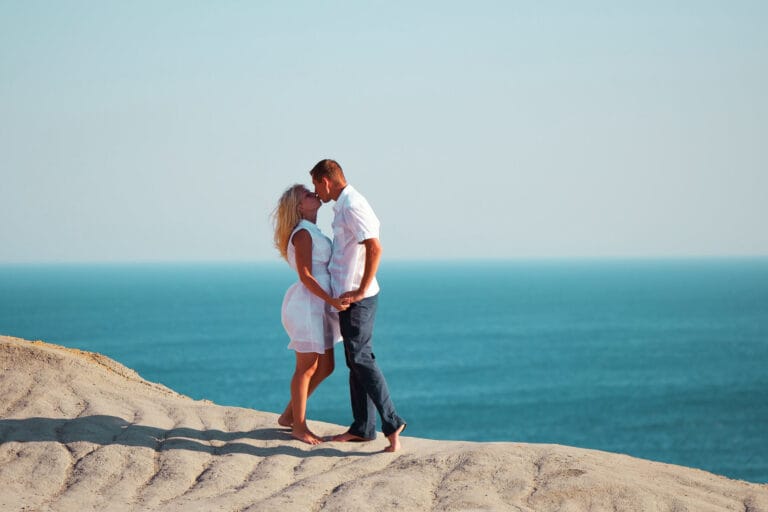
Santorini is the classic answer — and for good reason. But Milos, Folegandros, and Hydra offer a more intimate experience with fewer crowds. For a longer trip, combine Santorini with Naxos or Paros for variety.
→ Full list: Best Greek Islands for Couples
For Families with Children
Crete tops the list — long safe beaches, plenty to keep kids engaged (Minoan ruins, water parks, boat trips), and a well-developed tourism infrastructure. Rhodes and Corfu are strong alternatives.
→ Full list: Best Greek Islands for Families
For First-Time Visitors to Greece
Start with Athens for 2–3 days to anchor yourself in Greek history, then fly or take a fast ferry to Santorini or Crete. Both are well-organized for international visitors and offer everything Greece is famous for in concentrated form.
→ Related: Greece Travel Tips for First-Timers
For Island Hopping
The Cyclades are the easiest chain to hop between — Santorini, Mykonos, Paros, Naxos, and Milos all connect by ferry. A typical hopping route takes 7–10 days and works best from late April through October.
→ Full guide:Island Hopping in Greece
For Nightlife and Parties
Mykonos and Ios are Greece’s nightlife capitals. Mykonos is more upscale; Ios attracts a younger backpacker crowd. Zakynthos (Laganas strip) is a third option for pure beach party energy.
For History and Culture
Rhodes (medieval old town), Crete (Minoan civilization), and Delos (ancient sacred island, day trip from Mykonos) are the standouts. For a deeper dive into Byzantine and Venetian history, Corfu and Patmos are worth considering.
How to Choose Between Islands: The Real Questions
Before you decide, ask yourself these four questions:
1. How long do you have? If it’s 5 days or fewer, stick to one island — two at most. Ferries and logistics eat into your time more than you expect.
2. What’s your vibe? Lively and social, or quiet and slow? This single question rules out half the options immediately.
3. When are you going? Shoulder season (May–June, September–October) is the sweet spot — good weather, lighter crowds, lower prices. July–August is peak everywhere. Some islands (Hydra, Symi) are wonderful year-round; others (Mykonos) are barely worth visiting outside summer.
4. What’s your budget? Santorini and Mykonos are the most expensive. Naxos, Paros, Crete, and the Ionians are considerably more reasonable without sacrificing quality.
Practical Tips for Visiting the Greek Islands
Getting Between Islands
Ferries are the primary way to island-hop. Blue Star Ferries, Seajets, and Hellenic Seaways serve the main routes. Book tickets in advance for July–August — popular routes sell out weeks ahead. For speed, high-speed catamarans cut crossing times in half.
→ Full guide: Getting Around Greece: Ferries, Flights & Cars
Best Time to Visit
May–June and September–October give you the best balance of warm weather, accessible beaches, and manageable crowd levels. July–August is stunning but intense — Santorini can feel genuinely overwhelming at peak summer.
→ Full guide: When Is the Best Time to Visit Greece?
Getting There
Most islands are reached by flying into Athens (ATH) and connecting by ferry or domestic flight. Santorini (JTR), Mykonos (JMK), Crete (HER/CHQ), Rhodes (RHO), Corfu (CFU), and Zakynthos (ZTH) all have direct international flights from major European cities in summer.
→ Flights guide: Greece Flights Guide
Car Rentals on the Islands
Renting a car or ATV is one of the best decisions you can make on larger islands like Crete, Rhodes, and Corfu. It unlocks beaches and villages that tour buses never reach. Book in advance during summer — availability on small islands gets tight.
→ Full guide: Best Car Rentals in Greece
Explore More About the Greek Islands
- Santorini Travel Guide
- Mykonos Travel Guide
- Crete Travel Guide
- Rhodes Travel Guide
- Paros & Naxos: Two Hidden Gems
- Corfu Travel Guide
- Zakynthos Guide
- Island Hopping in Greece: The Ultimate Guide
- Best Greek Islands for Couples
- Best Greek Islands for Families
FAQ: Greek Islands
Which Greek island is best for first-time visitors?
Crete is the most well-rounded choice — large enough to explore for a full week, with excellent beaches, strong food culture, and great infrastructure. Santorini is also a popular first-timer choice, especially if the caldera views are on your bucket list.
How many Greek islands can I visit in one trip?
Realistically, two to three islands work well in 10–14 days. Trying to rush through more than that means spending more time on ferries than on the islands themselves. Quality over quantity is always the right call in Greece.
Which Greek islands are best in June?
June is excellent almost everywhere. Santorini, Paros, Naxos, and Milos are particularly good in June — the sea is warm, the crowds are lighter than August, and the light is extraordinary. Crete and Corfu are also excellent.
Are the Greek islands expensive?
It varies enormously. Santorini and Mykonos are premium destinations — comparable to other luxury European hotspots. Naxos, Paros, Crete, and the Ionian Islands are significantly more affordable while offering an equally beautiful experience.
Which Greek island has the best beaches?
Milos is often cited for its dramatic volcanic beaches. Naxos has the longest stretches of fine sand. Crete has variety — from pebbled secluded coves to wide sandy bays. Zakynthos has Navagio, which is iconic. ‘Best’ depends heavily on what kind of beach you’re after.
Can I island-hop in Greece without a car?
Yes — ferry connections between Cyclades islands are very good in summer, and most ports have taxis and local buses. That said, having a car dramatically expands what you can see on larger islands like Crete, Rhodes, and Corfu.
What’s the quietest Greek island for a peaceful holiday?
Hydra (no cars at all), Folegandros, Symi, and Alonissos are among the quietest and most atmospheric options. For a larger island that still feels authentic, Naxos and the western Cretan coast are good choices.
Which Greek island is best for couples?
Santorini is the romance icon — but Milos, Folegandros, and Hydra offer a more private, less crowded version of that same magic. For a longer honeymoon trip, combining Santorini with Naxos or Paros gives you the best of both worlds.
Ready to Plan Your Greek Island Trip?
You’ve found your island — now let’s make the rest easy.
*Note: This page contains affiliate links. We may earn a small commission at no extra cost to you when you book through our links. This helps us keep creating free travel guides.*